

Pangrati
Pangrati is not merely a district of Athens; it is a vibrant soul pulsating close to the historic center, a mosaic of sloping stre...
Updated 7 July 2026
This season · July · Summer
What to do in Pangrati now
The story
The story of Pangrati
Historical roots: from myth to modernity
The history of Pangrati is rooted in classical antiquity, when the area was a lush suburban zone bordered by the waters of the Ilissos river. The district's name itself derives from the sanctuary dedicated to Hercules Pancrates (Pancrates), whose remains were found near the riverbed. During ancient times, this area was known for its gymnasiums and places of worship linked to strength and athletic discipline. With the passing centuries and the decline of Athens, the area remained predominantly agricultural until the late 19th century, when its first true urban transformation began in conjunction with the rebirth of the modern Greek State.
The 20th century marked Pangrati's destiny as a hub for the Athenian middle class and intelligentsia. After the Asia Minor Catastrophe in 1922, the district welcomed numerous refugees, who contributed to boosting urbanization. In the 1950s and 60s, Pangrati became the beating heart of artistic life: legendary figures such as composer Manos Hadjidakis and Nobel laureate poet Giorgos Seferis lived here. This intellectual legacy is still perceptible in the atmosphere of its cafes and the density of bookstores and art galleries, making the district a symbol of Greek cultural continuity between a glorious past and a creative present.
The Panathenaic Stadium: the marble jewel
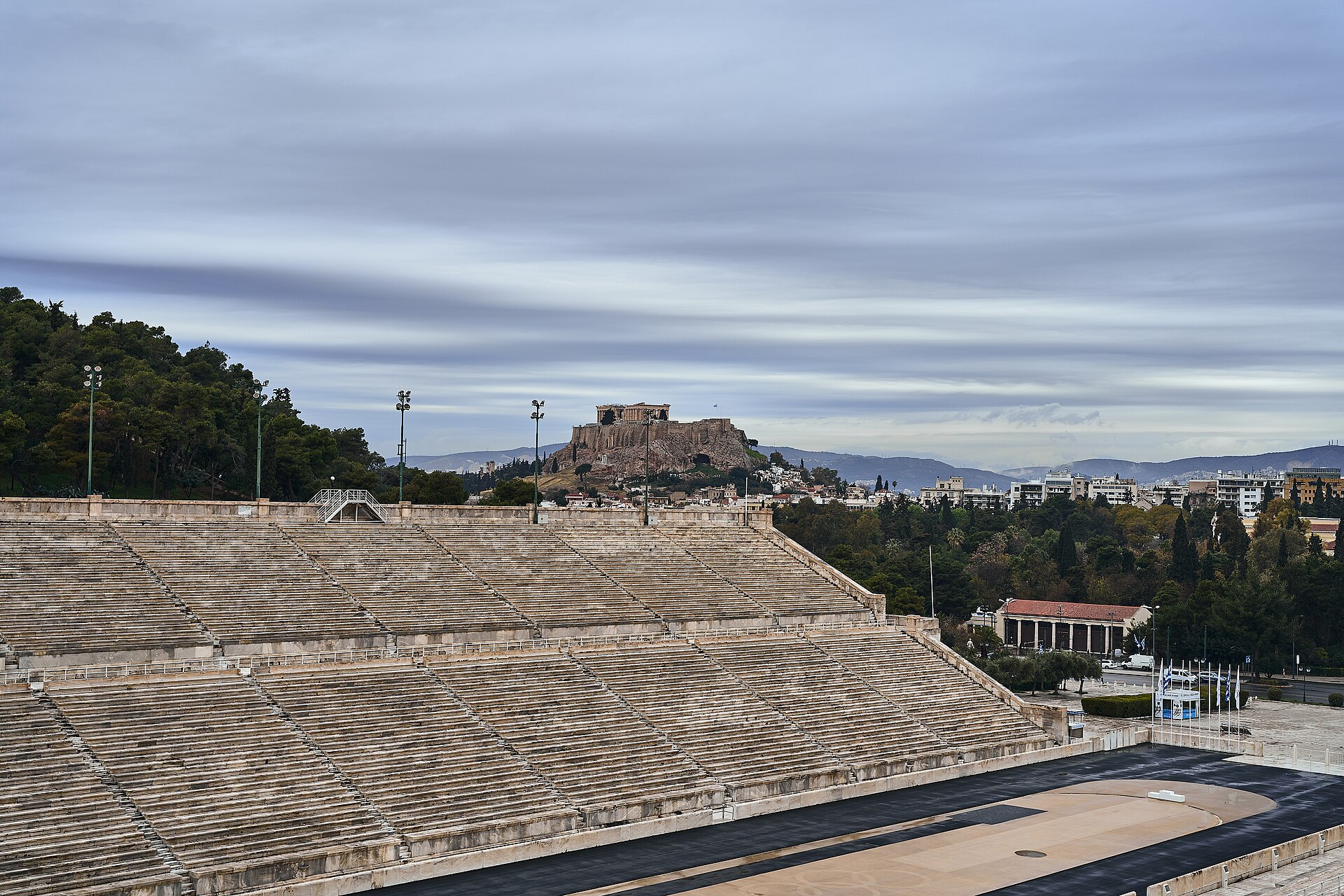
The most iconic monument on the edge of Pangrati is undoubtedly the Panathenaic Stadium, also known as Kallimarmaro (meaning 'of beautiful marbles'). It is the only stadium in the world built entirely of white Pentelic marble. Originally constructed in the 4th century BC to host the athletic competitions of the Great Panathenaia, it was rebuilt in Roman times by Herodes Atticus. After centuries of abandonment, the stadium was restored to its former glory to host the first Olympic Games of the modern era in 1896. Its U-shape and majesty make it a place of solemn beauty, capable of evoking the competitive spirit and the sacredness of ancient athletic endeavor.
Basil & Elise Goulandris Foundation
Inaugurated recently, the Basil & Elise Goulandris Foundation has transformed Pangrati into a world-class art destination. This private museum, housed in a building that blends a neoclassical mansion with a bold modern extension, holds one of Europe's most prestigious art collections. Inside, masterpieces by absolute masters such as Picasso, Van Gogh, Cézanne, Monet, El Greco, and Francis Bacon can be admired. The meticulous curation and the quality of the exhibited works offer an extraordinary journey through modern and contemporary art, making this space an essential landmark for anyone visiting the Greek capital.
The First Cemetery of Athens
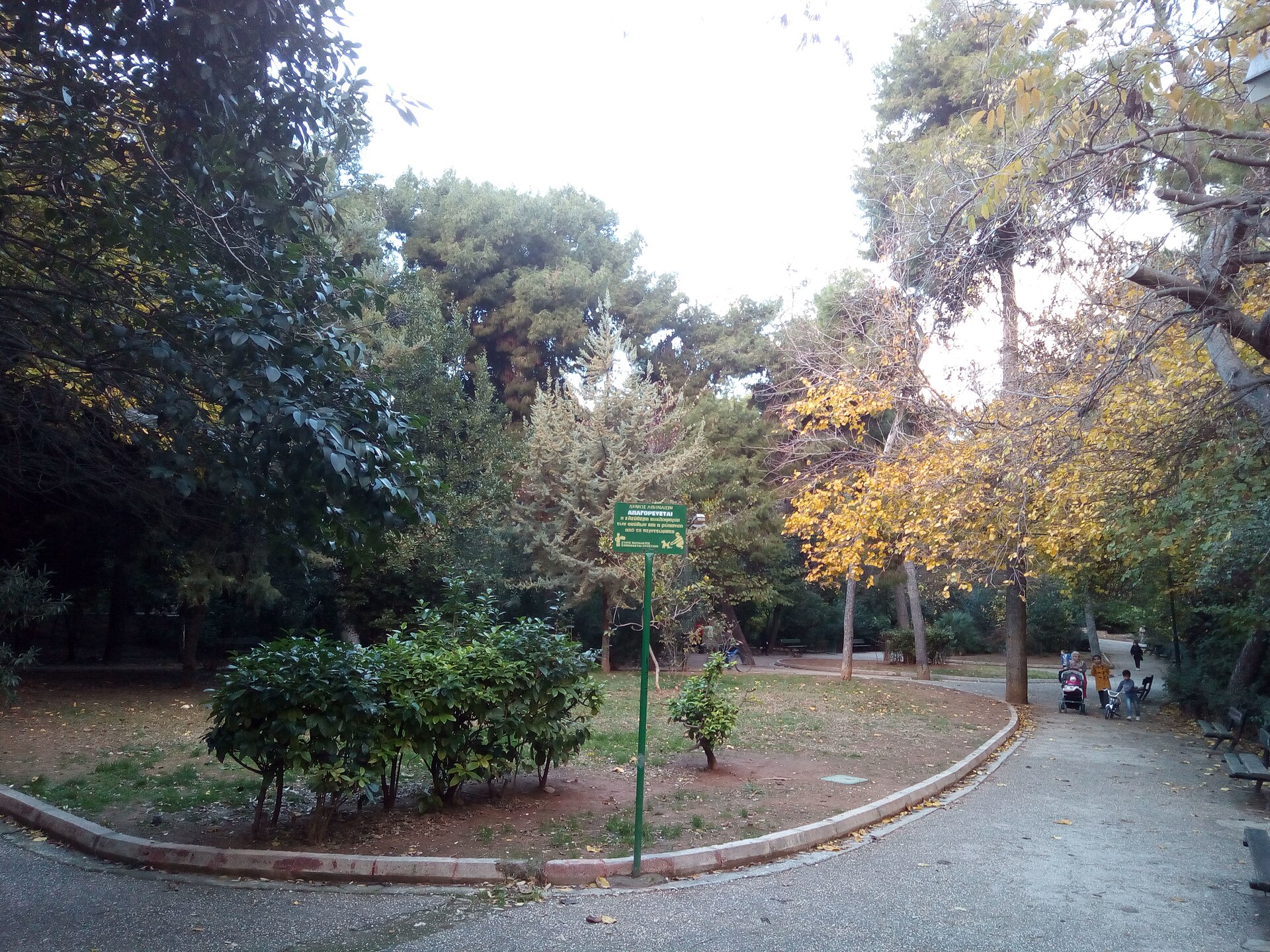
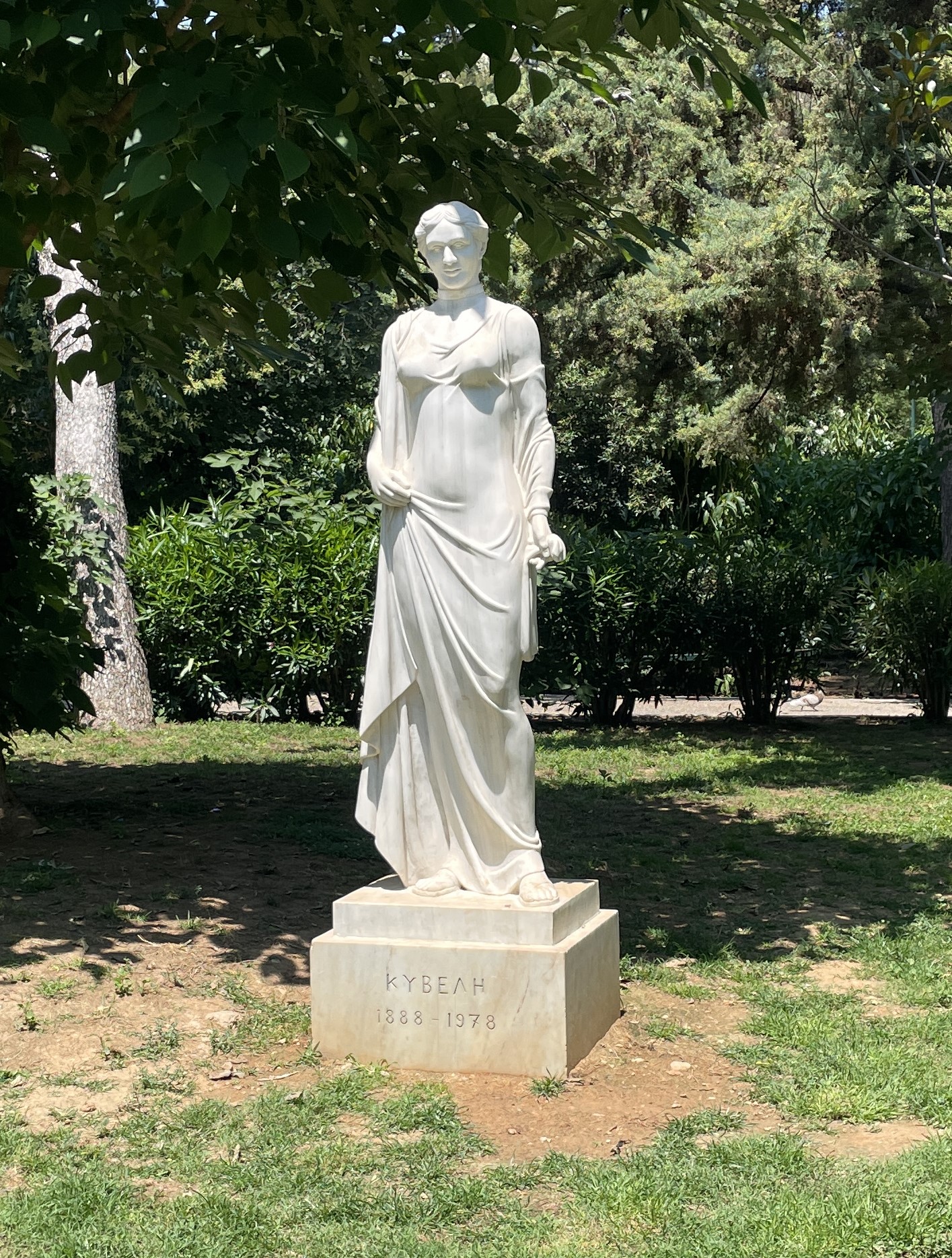
Located on the southern border of Pangrati, the First Cemetery of Athens is not just a place of eternal rest, but a true open-air museum of neoclassical sculpture. Inaugurated in 1837, it houses the tombs of the most illustrious figures in modern Greek history, from statesmen to heroes of the revolution, and famous artists. Strolling along its cypress and pine-lined avenues, one can admire funerary monuments of extraordinary craftsmanship, such as the famous 'Sleeping Girl' by sculptor Yannoulis Chalepas. The atmosphere is one of deep and solemn peace, offering a unique insight into the artistic and historical sensibility of 19th-century Greece.
The Church of Agios Spyridon
In the heart of the district stands the Church of Agios Spyridon, a fundamental spiritual and architectural landmark for the local community. This religious building, with its domes and richly decorated interiors according to the canons of Byzantine iconography, represents the center of the district's devotion. The square in front is often animated by ceremonies and festivities that reflect the deep connection between Orthodox faith and the daily lives of residents. It is a place where time seems to slow down, offering a moment of reflection amidst the surrounding urban vibrancy.
The Squares of Pangrati: Varnava and Plastira
Pangrati's social life revolves around its squares, which serve as true open-air living rooms. Platia Varnava is the bohemian soul: surrounded by traditional tavernas, modern bistros, and historic cafes, it is the ideal place to observe the ritual of Greek coffee that lasts for hours. Platia Plastira, not far away, is equally lively and represents a meeting point for different generations. In these squares, 'parea' (the group of friends) is a sacred institution; here, politics, art, and daily life are discussed, immersed in a convivial atmosphere that is the very essence of Athenian sociality.
Ardittos Hill and urban greenery
Pangrati enjoys a privileged proximity to green spaces of exceptional value. Ardittos Hill, located directly above the Panathenaic Stadium, offers paths immersed in Mediterranean scrub and spectacular views of the Acropolis and the entire city. It is a favorite spot for Athenians for a morning run or a sunset stroll. Not far away are also the National Gardens, an oasis of coolness with exotic plants and ponds, connecting Pangrati to the political center of Syntagma Square. This combination of urban density and green lungs makes the district extremely livable and pleasant to explore on foot.
Surroundings: Mets and the museum district

Pangrati borders Mets, often called the 'Montmartre of Athens' for its picturesque streets and well-preserved neoclassical houses. A walk between these two districts allows one to grasp the different nuances of the Athenian bourgeoisie. Furthermore, Pangrati's strategic location makes it easy to reach the 'museum street' (Leoforos Vasilissis Sofias), where the Byzantine and Christian Museum, the Benaki Museum, and the Museum of Cycladic Art are located. This contiguity creates a continuous cultural district unparalleled in the city, allowing one to transition from ancient history to avant-garde art in just a few minutes' walk.
Traditions and flavors: neighborhood cuisine
Pangrati's gastronomic scene is a reflection of its eclectic nature. Alongside historic 'mageiria' (tavernas serving traditional home-cooked dishes), gourmet restaurants and establishments that reinterpret Greek classics with modern techniques have emerged. One cannot visit Pangrati without tasting 'mezedes' accompanied by a glass of ouzo or tsipouro in one of the tavernas near Platia Varnava. The district is also known for its artisanal pastry shops, where traditional sweets like galaktoboureko and kourabiedes are still prepared, following recipes handed down through generations.
Unmissable experiences
- Attend an open-air cinema session during the summer months at the historic Oasis cinema.
- Go jogging or take a scenic walk on the trails of Ardittos Hill at sunset.
- Enjoy a Greek coffee prepared over hot coals in one of the historic establishments in Platia Plastira.
- Visit the Friday neighborhood market (laiki agora) on Archimidous Street for fresh local produce.
- Explore the Goulandris Foundation's collection during less crowded morning hours.
- Lose yourself among the silent sculptures of the First Cemetery of Athens.
When to go and how to experience the place
Pangrati is charming in every season, but spring and autumn are the ideal times to fully enjoy outdoor strolls and the atmosphere of the squares without the excessive summer heat. In May, the scent of orange blossoms permeates the streets, creating an unforgettable sensory experience. To experience Pangrati like a local, avoid the hottest afternoon hours and go out around eight in the evening, when the neighborhood comes alive and outdoor tables fill up. It is a safe and welcoming place, perfect for those who love to explore on foot and discover the secrets of a city through its daily rhythms.
FAQ
Pangrati è raggiungibile con la metropolitana?
È un quartiere adatto alle famiglie?
Cosa vedere a Pangrati in mezza giornata?
Si trova parcheggio facilmente?
Getting there
- Aeroporto Internazionale di Atene Eleftherios Venizelos (ATH) - 33 km
- Stazione Metro Evangelismos (Linea Blu)
- Stazione Metro Syntagma (Linee Blu e Rossa)
- Dall'aeroporto, seguire la Attiki Odos e poi la Leoforos Mesogeion in direzione centro. Da Syntagma, seguire via Filellinon verso lo Stadio Panatenaico.
- Il modo migliore per esplorare Pangrati è a piedi partendo dal Giardino Nazionale o dallo Stadio Panatenaico.
Perfect for
Un distretto d'eccellenza con musei di fama mondiale e una vibrante comunità di artisti locali.
Ideale per chi cerca l'autentica socialità ateniese tra piazze storiche e caffè alla moda.
Sede dell'unico stadio al mondo interamente in marmo, simbolo eterno dei giochi olimpici.
To see
Da vedere a Pangrati
Routes · Trovido Route
