

Lavrio
At the southern tip of the Attica peninsula, where the Aegean Sea begins to whisper the stories of the Cyclades, lies Lavrio
Updated 7 July 2026
This season · July · Summer
What to do in Lavrio now
The story
The story of Lavrio
Athens' Silver: A Millennial History
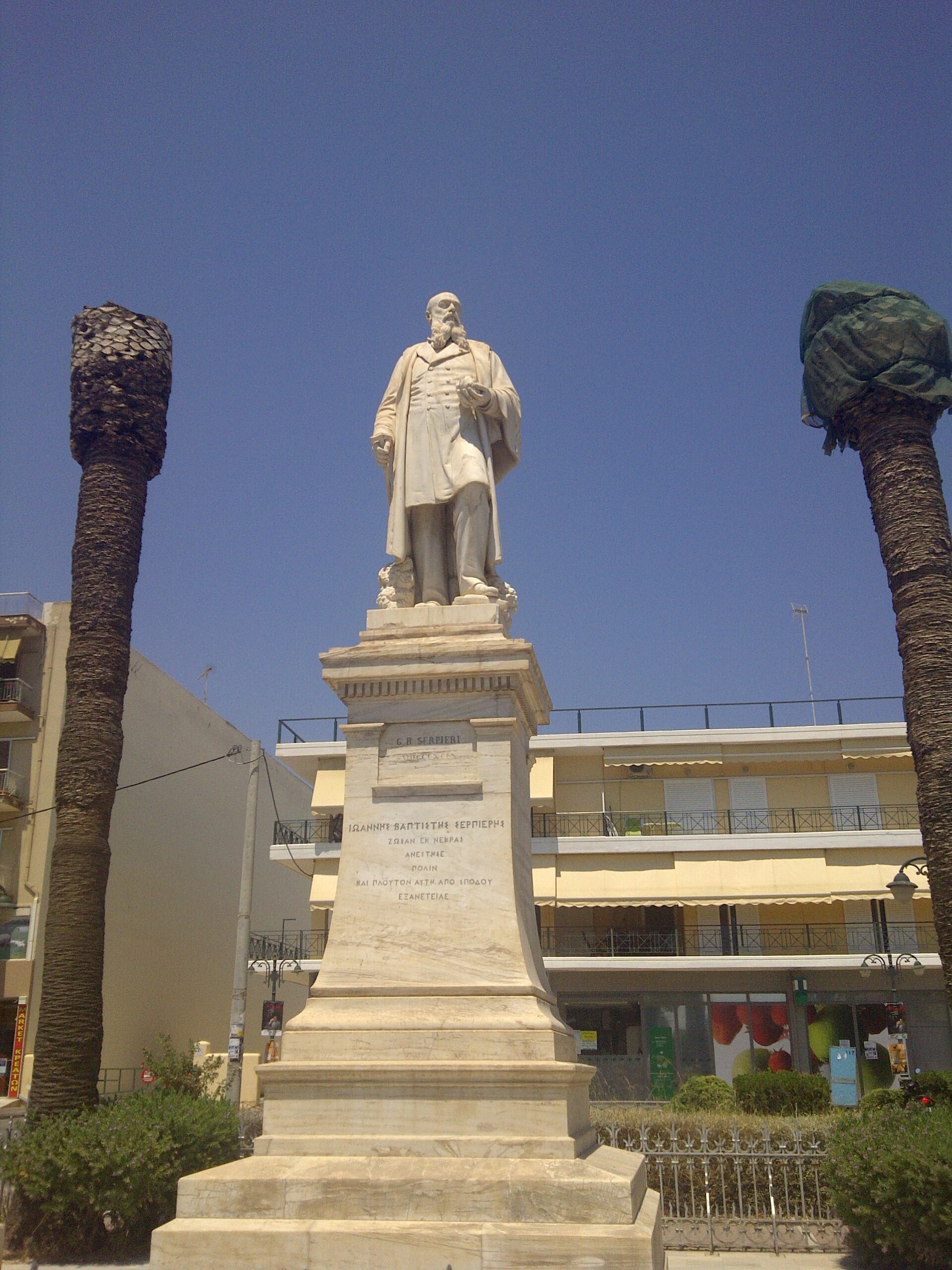
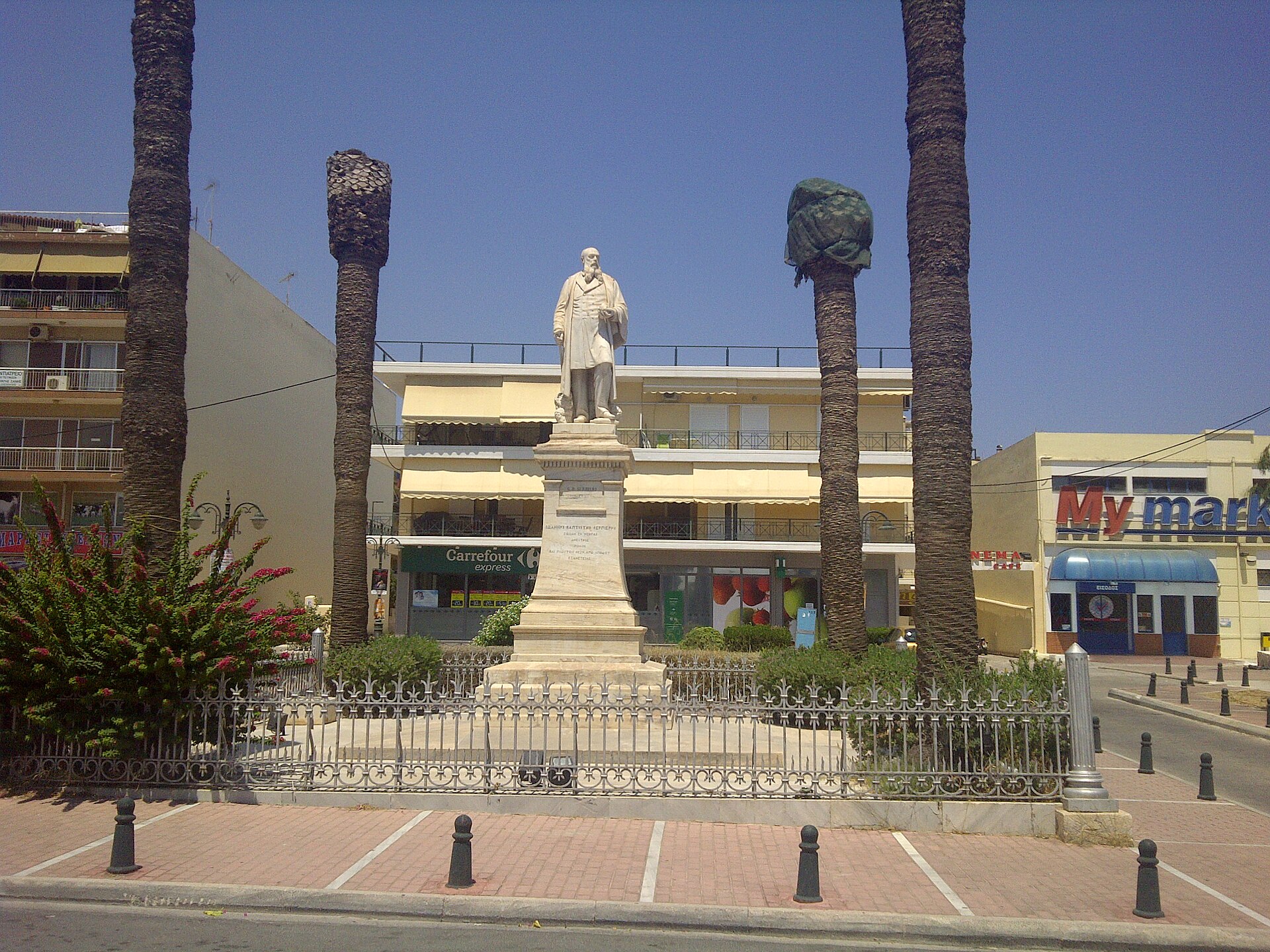
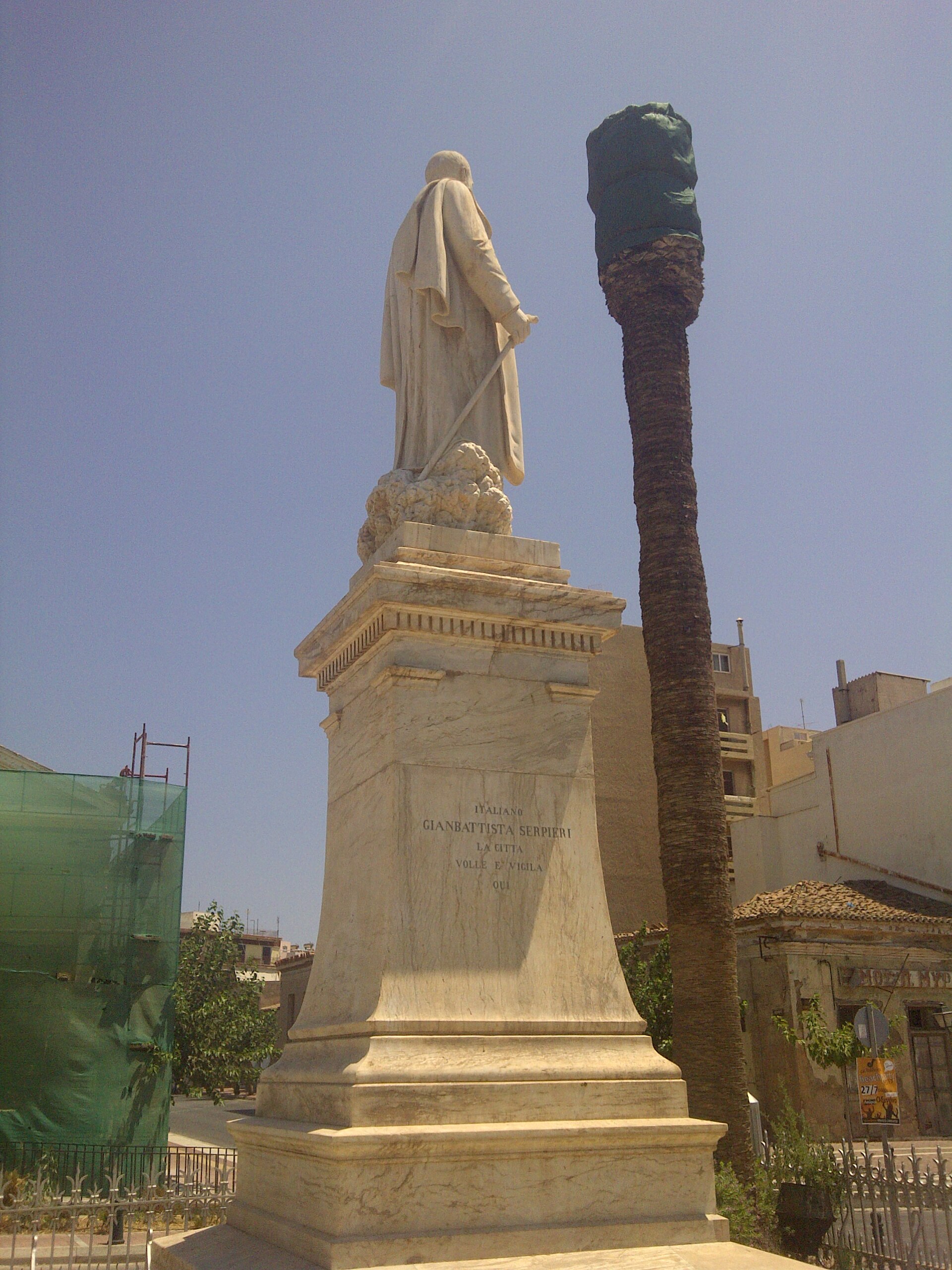
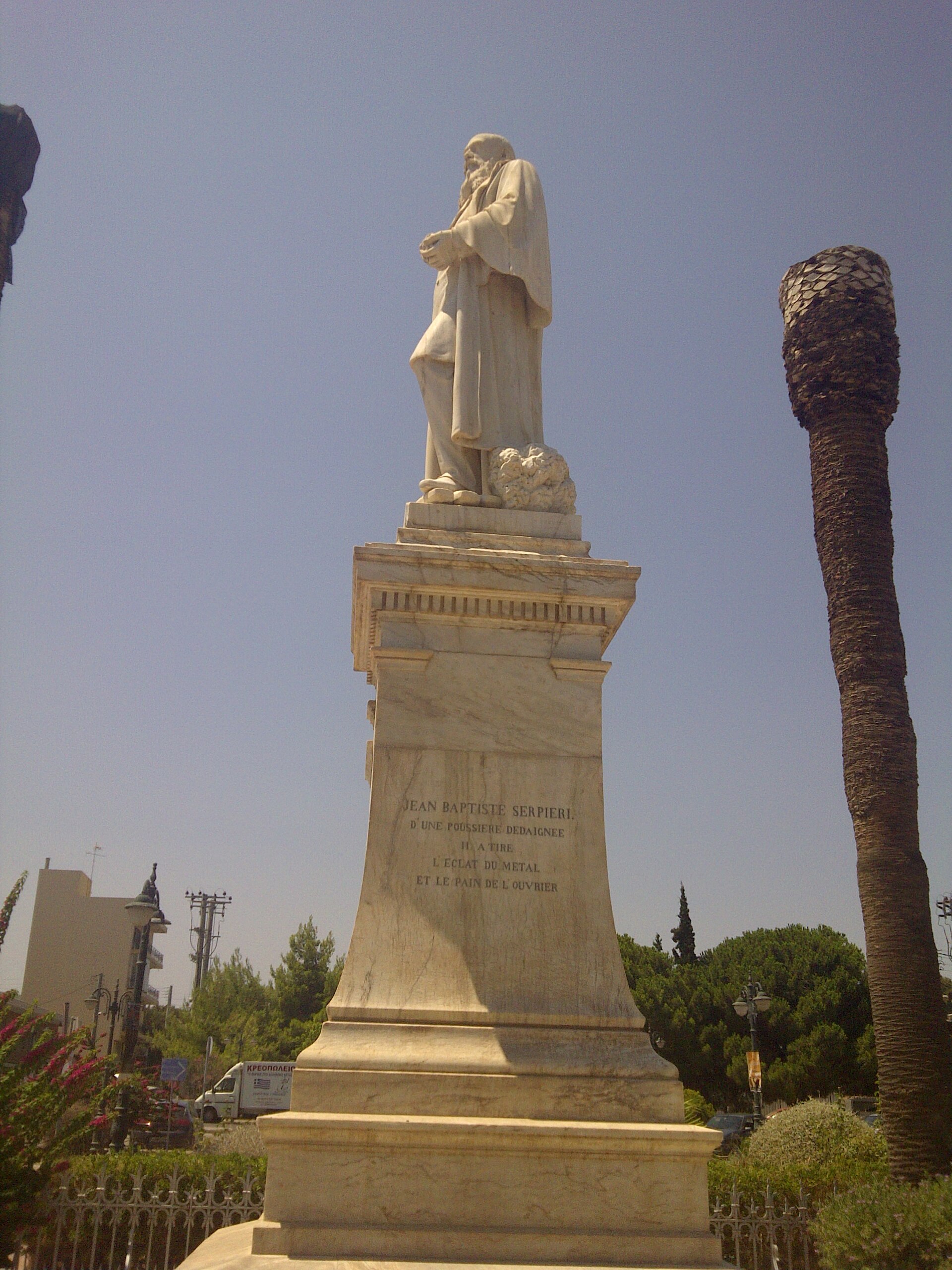
Lavrio's history is intrinsically linked to its mineral wealth, known since the Bronze Age. However, it was in the 5th century BC that the silver mines became the economic engine of Athenian power. Thanks to the discovery of new and rich veins, Themistocles convinced the citizens of Athens to invest the proceeds in equipping a legendary fleet, which later proved decisive in defeating the Persians. With the decline of the classical era, the mines were gradually abandoned, leaving the territory in a long sleep that lasted for centuries. The revival only occurred in the mid-19th century, when the entrepreneur Giovanni Battista Serpieri and the French Lavrio Mining Company (Compagnia Francese delle Miniere di Lavrio) once again transformed the area into a cutting-edge industrial hub. This second boom led to the construction of a modern city, equipped with railways, workshops, and elegant buildings, creating that architectural contrast between ancient and industrial that still defines Lavrio's unique character today.
The Ancient Theatre of Thorikos
Located a short distance from the town, the site of Thorikos hosts one of the most fascinating and unusual monuments in all of Greece: its ancient theatre. Unlike the classic circular or semicircular shape we are accustomed to, the Thorikos theatre features an elliptical or elongated plan, perfectly adapting to the morphology of the hill on which it rests. Dating back to the late 6th century BC, it is considered one of the oldest preserved stone theatres. Sitting on its local marble steps, surrounded by silence and with a gaze that sweeps towards the sea and the ancient mine entrances, offers a feeling of deep connection with the past. It was not only a place of spectacle but also a meeting place for the local demes, testifying to the civil and political importance that this mining area held for the entire Attica region.
The Lavrio Technological and Cultural Park
What was once the beating heart of the French Mining Company (Compagnia Francese delle Miniere) is today an extraordinary example of industrial archaeology recovery. The Technological and Cultural Park occupies a vast complex of historic buildings, chimneys, and machinery that once served for mineral processing. Walking among these giants of brick and iron means immersing oneself in an era of great technological innovations and fierce social struggles. The spaces have been skillfully restored to host start-ups, research laboratories, and exhibition areas, making the site a center of contemporary innovation that does not forget its roots. It is an evocative place where the rust of the past coexists with the ideas of the future, ideal for photography enthusiasts and anyone who wants to understand the social and economic evolution of modern Greece.
The Lavrio Mineralogical Museum
Housed in a small but fascinating building that was once part of the mining facilities, the Mineralogical Museum is a mandatory stop to understand the true essence of the region. The collection includes hundreds of specimens of rare minerals and crystals from the depths of Lavrio's earth, many of which are unique in the world or were identified here for the first time. The variety of colors, shapes, and lusters is astounding, transforming the visit into a visual journey through geology. In addition to minerals, the museum displays tools used by miners over the decades, offering an insight into daily life and extraction techniques. It is a tribute to human toil and the extraordinary natural wealth that has made Lavrio famous since antiquity, explaining why this land has been so contested and precious.
The Archaeological Museum
Although modest in size, the Archaeological Museum of Lavrio houses invaluable artifacts that complete the historical narrative of the region. Inside, discoveries from the excavations of Thorikos, the mining areas, and the sanctuary of Sounion are preserved. Particularly interesting are the funerary stelae, ceramics, and objects related to the lives of the slave miners who worked in the tunnels under extremely harsh conditions. A highlight of the collection is represented by the frieze reliefs from the Temple of Poseidon at Sounion, which depict scenes of the Gigantomachy and Centauromachy. The museum successfully weaves a common thread between the wealth produced by the mines and the artistic and religious expression that this very wealth helped to finance, offering a coherent and profound overview of the civilization that flourished in this corner of Attica.
The Port and the Promenade
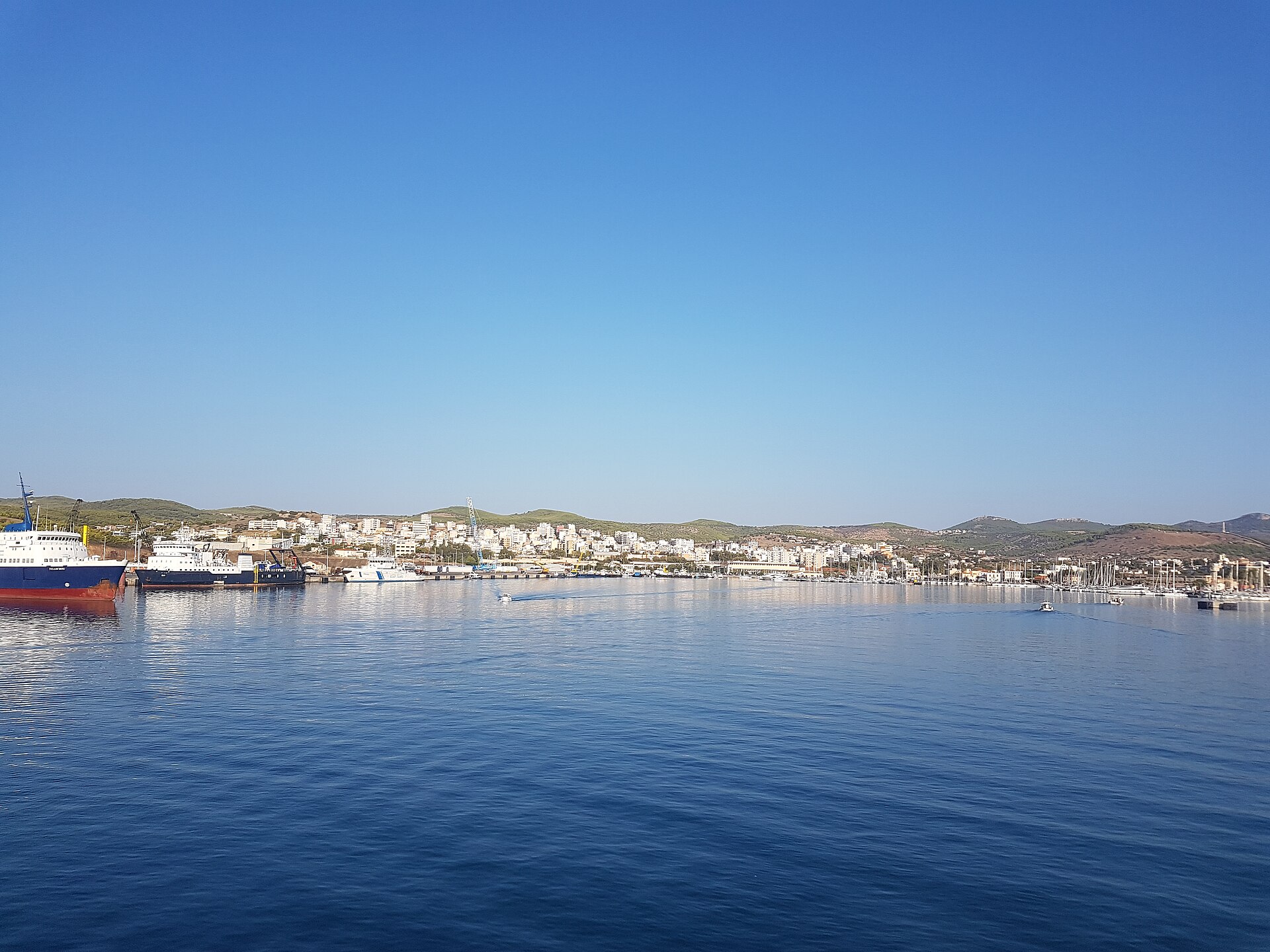
Lavrio's port is the pulsating soul of the contemporary city. Less chaotic than Piraeus, it is a privileged docking point for sailors exploring the Aegean and for ferries heading to nearby islands like Kea and Kythnos. Walking along the quay at sunset, among fishing nets and modern yachts, allows one to breathe the salty air and enjoy the view of the nearby island of Makronissos. The promenade is dotted with traditional tavernas and cafes where it's a must to stop for an ouzo accompanied by grilled octopus. Here, life flows slowly, marked by the arrivals and departures of boats. The surrounding architecture, with its restored neoclassical buildings, gives the port a sober elegance, making it an ideal place for a relaxing stroll after a day spent exploring archaeological sites or mines.
Landscape and Nature: The Sounion National Park
Lavrio is surrounded by the Sounion National Park, the smallest nature reserve in Greece but one of the richest in history and geological charm. The landscape is a mosaic of pine forests, Mediterranean scrub, and spectacular rock outcrops. One of the most curious natural attractions is the so-called 'Chaos', a circular chasm about 55 meters deep, probably caused by the collapse of a subterranean cave roof. The park is crisscrossed by numerous hiking trails that follow ancient mining roads, offering breathtaking sea views and the chance to spot various bird species. It is an environment where nature has slowly reclaimed spaces once occupied by humans, creating a striking balance between the remains of ancient mineral washing workshops and the lush vegetation growing among the stones.
Surroundings: The Temple of Poseidon at Sounion
Just a ten-minute drive from Lavrio lies Cape Sounion, one of the most iconic and photographed places in all of Greece. Here, perched dramatically above the sea, stand the marble columns of the Temple of Poseidon, built in the 5th century BC to protect sailors rounding the headland. The temple is not only a masterpiece of Doric architecture but a place steeped in legend: it is here that, according to myth, King Aegeus threw himself into the sea believing his son Theseus to be dead. Visiting Sounion at sunset is an almost mystical experience; the white marble of the columns turns pink and orange as the sun disappears behind the islands on the horizon. It is a fitting culmination to a trip to Lavrio, uniting the city's industrial and mining history with the spiritual and artistic grandeur of ancient Greece.
- Explore the Theatre of Thorikos, the oldest theatre structure in the region.
- Visit the Mineralogical Museum to admire the rare crystals extracted from the local mines.
- Stroll among the industrial structures of the Technological and Cultural Park.
- Enjoy a fresh fish dinner at the port's tavernas.
- Hike in Sounion National Park to the Chaos chasm.
- Admire the sunset from the Temple of Poseidon at Cape Sounion.
- Rent a sailboat to explore the hidden coves of the Attica coast.
Traditions and Flavors of the Region
Lavrio's gastronomic culture reflects its dual soul, maritime and mining. The port's tavernas are renowned for their fresh fish, stuffed calamari, and seafood salads, often accompanied by local wine produced in the vineyards of inland Attica. But there is also a tradition more closely linked to the land and the mine workers, with hearty dishes based on legumes and meat. Not to be missed is 'Savoro', a preparation of fried fish marinated with vinegar, rosemary, and raisins, which once served to preserve food longer. During religious holidays, the streets fill with the aromas of traditional sweets and folk music, keeping alive customs passed down through generations. The hospitality of the residents is frank and generous, typical of a community that has always relied on mutual solidarity.
When to Go and How to Experience Lavrio
The best time to visit Lavrio is undoubtedly spring or early autumn. During these months, temperatures are pleasant for outdoor excursions, and the light is perfect for photographing monuments and the coastal landscape. Summer can be very hot, but the constant sea breeze blowing over the port makes evenings enjoyable. Experiencing Lavrio means taking your time to explore unhurriedly, moving away from Athens' more crowded tourist circuits to discover a more authentic and quiet Greece. It is an ideal destination for a long weekend or as a base for exploring southern Attica, offering a balanced mix of culture, seaside relaxation, and adventure. In the evening, the city comes alive with a discreet but vibrant social life, perfect for those seeking a genuine travel experience away from mass tourism.
FAQ
Quanto tempo occorre per visitare Lavrio?
È adatta alle famiglie con bambini?
Come sono le spiagge nei dintorni?
Si può raggiungere facilmente da Atene?
È un porto comodo per le isole?
Getting there
- Aeroporto Internazionale di Atene Eleftherios Venizelos (circa 35 km)
- Non c'è un collegamento ferroviario diretto; si utilizza la Proastiakos fino a Koropi e poi il bus.
- Da Atene, prendere la Attiki Odos verso Markopoulo e seguire le indicazioni per Lavrio, oppure percorrere la panoramica strada costiera (Leoforos Poseidonos).
- Se arrivate dall'aeroporto, il taxi è l'opzione più veloce (circa 30 minuti), altrimenti i bus KTEL partono regolarmente.
Perfect for
Un paradiso per gli amanti della storia del lavoro, con miniere antiche e fabbriche del XIX secolo perfettamente integrate nel paesaggio.
Uno dei porti turistici più importanti dell'Attica, punto di partenza ideale per crociere nelle Cicladi.
La vicinanza a Thorikos e Sounion permette di immergersi nei miti e nell'architettura dell'Antica Grecia.
To see
