

Kolonaki
Clinging to the southern slopes of Lycabettus, Kolonaki is not just a district of Athens, but an icon of style, an open-air salon...
Updated 7 July 2026
This season · July · Summer
What to do in Kolonaki now
The story
The story of Kolonaki
From rural origins to urban prestige: the history of Kolonaki
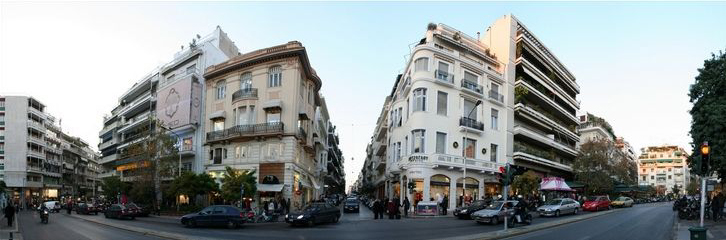
Until the mid-19th century, what we know today as Kolonaki was a rural area, a barren slope used by shepherds for grazing, located just outside the borders of the Ottoman city. The radical transformation began after Greece's independence and the choice of Athens as its capital. With the establishment of King Otto of Bavaria's court in the nearby Royal Palace (now the seat of Parliament), the area became attractive to the elite who wished to reside close to power. Between the late 19th and early 20th centuries, Kolonaki saw the flourishing of splendid neoclassical palaces and, subsequently, elegant modernist buildings that housed embassies, intellectuals, and the upper bourgeoisie. This development was not only architectural but also social, making the district the nerve center of the country's political and cultural life, a role it still maintains today despite the city's expansion towards the northern suburbs.
Mount Lycabettus: the stone guardian
Kolonaki's profile is dominated by the limestone mass of Mount Lycabettus, Athens' highest point at 277 meters. According to mythology, the rock fell from the hands of the goddess Athena while she was carrying a boulder to fortify the Acropolis. Today, the ascent to the summit is one of the district's most evocative experiences. One can choose to walk the zigzagging paths amidst pines and cacti or use the historic underground funicular. Once at the top, the view stretches from the Acropolis to the port of Piraeus and the Saronic Gulf. The small white chapel of Agios Georgios, built in the 19th century, crowns the summit, lending the place an aura of sacredness that contrasts with the vibrancy of the open-air theater located just below, host to important summer concerts.
The Benaki Museum: a journey into Greekness
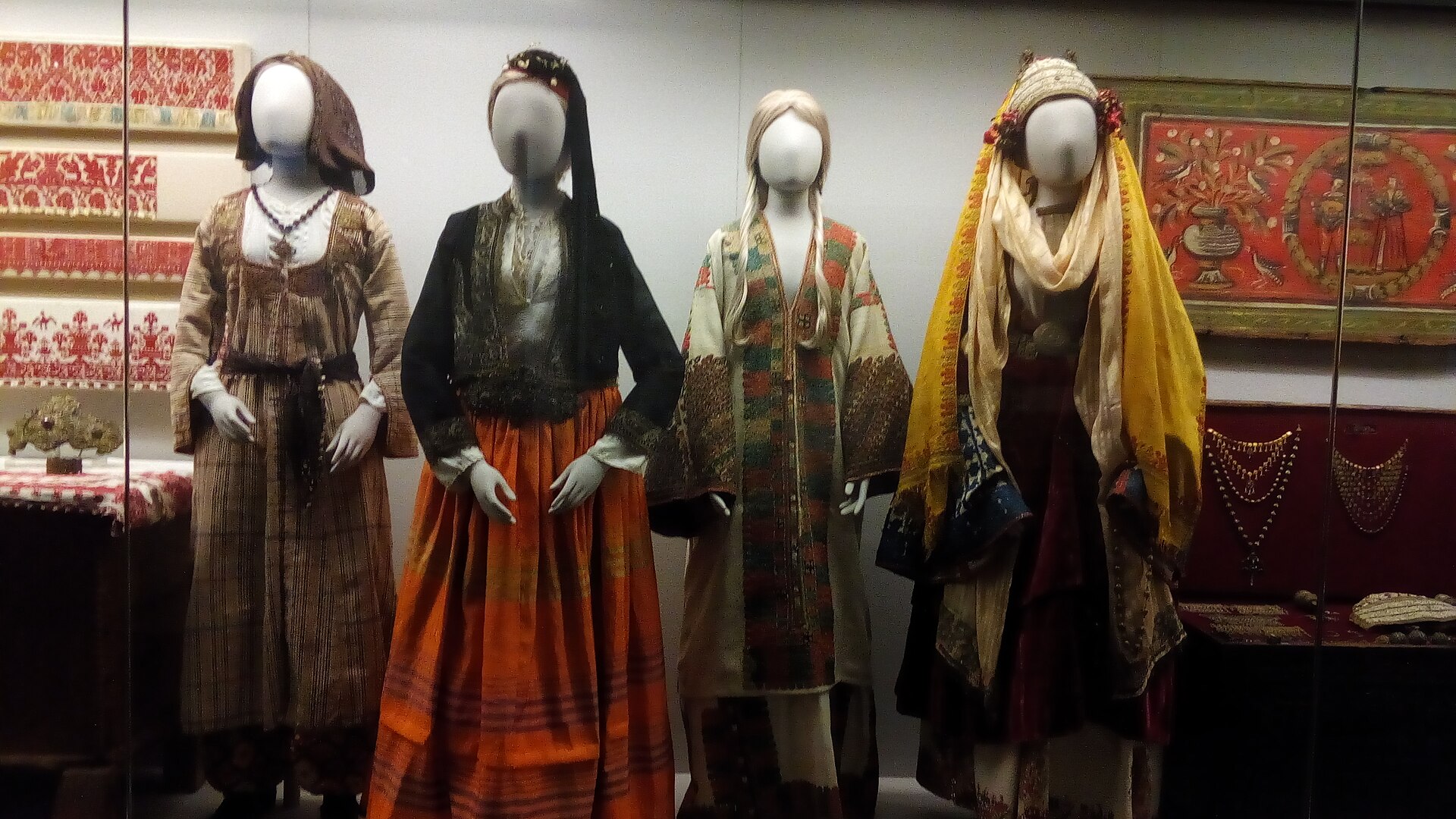
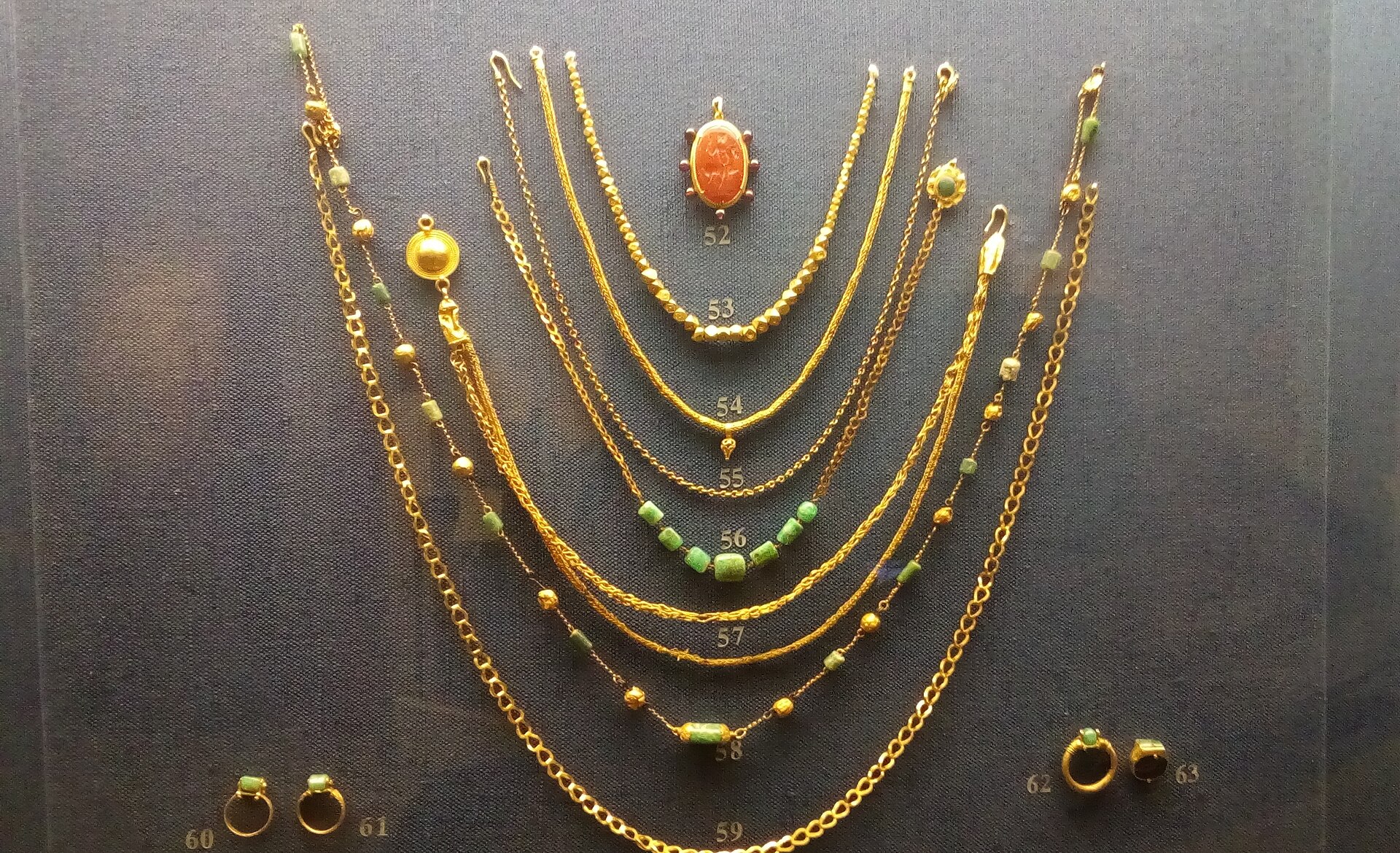
Housed in one of Athens' most beautiful neoclassical mansions, the Benaki Museum (main branch on Koumbari Street) is a fundamental institution for understanding Greek identity. Founded by Antonis Benakis in 1930, the museum displays a vast collection ranging from prehistory to the fall of Constantinople, up to the War of Independence and the 20th century. What makes this place special is the continuous narrative of Hellenic history: not only statues and archaeological artifacts, but also traditional costumes, Byzantine jewelry, and reconstructions of 18th-century stately home interiors. The meticulous curation and the quality of the exhibited pieces offer a comprehensive overview of the material and spiritual culture of a people who have made historical continuity their pride.
The Museum of Cycladic Art: the aesthetics of the essential
Located along Vassilissis Sofias Avenue, the Museum of Cycladic Art is world-renowned for its collection of marble figurines dating back to the Bronze Age. These stylized human figures, with their geometric and minimalist forms, profoundly influenced modern artists like Modigliani and Picasso. The museum, originating from the private collection of Nicholas and Dolly Goulandris, is divided between the modern building and the adjacent Stathatos Mansion, a masterpiece of Athenian eclectic architecture connected internally. In addition to Cycladic icons, the museum hosts important sections dedicated to ancient Greek and Cypriot art, organizing temporary exhibitions of international renown that create a constant bridge between antiquity and contemporary art.
Dexameni Square: the intellectuals' refuge
Dexameni Square is the bohemian heart of Kolonaki. Its name comes from the water reservoir (dexameni) of Hadrian's Roman aqueduct, whose remains are still visible. For decades, this space has been the favorite meeting place for poets and writers, including the famous Alexandros Papadiamantis, whose statue watches over the square. Away from the traffic of the main streets, Dexameni retains a timeless atmosphere, especially during summer evenings when the open-air cinema screens art-house films under the stars. The square's cafe is the ideal place to observe life unfolding slowly, between a game of chess and an afternoon read, representing the district's most authentic and cultured soul.
The Byzantine and Christian Museum: between sacredness and beauty
Located in the splendid Villa Ilissia, former residence of the Duchess of Piacenza, this museum is one of the most important in the world for Byzantine and post-Byzantine art. The architectural complex, with its tranquil inner courtyard and well-maintained gardens, offers an oasis of peace in the city center. The collection boasts over 25,000 objects, including rare icons, frescoes, illuminated manuscripts, ceramics, and textiles covering a period from the 4th to the 20th century. The exhibition path guides visitors through the transition from the ancient to the Christian world and the splendor of the Byzantine Empire, revealing the lasting influence of this civilization on the art and spirituality of Eastern Europe and the Mediterranean.
The Gennadius Library: a temple of knowledge
A short distance from the shopping streets, the Gennadius Library stands as a Greek temple in Doric style, surrounded by lush gardens. Part of the American School of Classical Studies, this institution houses an extraordinary collection of over 120,000 volumes, manuscripts, and archives concerning Greek history and culture from the post-classical period to the present day. Donated by the diplomat Joannes Gennadius, the library is a global reference point for researchers. Even for the casual visitor, the monumental facade and the tranquility of the surrounding park offer a glimpse of rare architectural elegance, testifying to the international commitment to preserving Hellenic heritage.
Unmissable experiences in Kolonaki
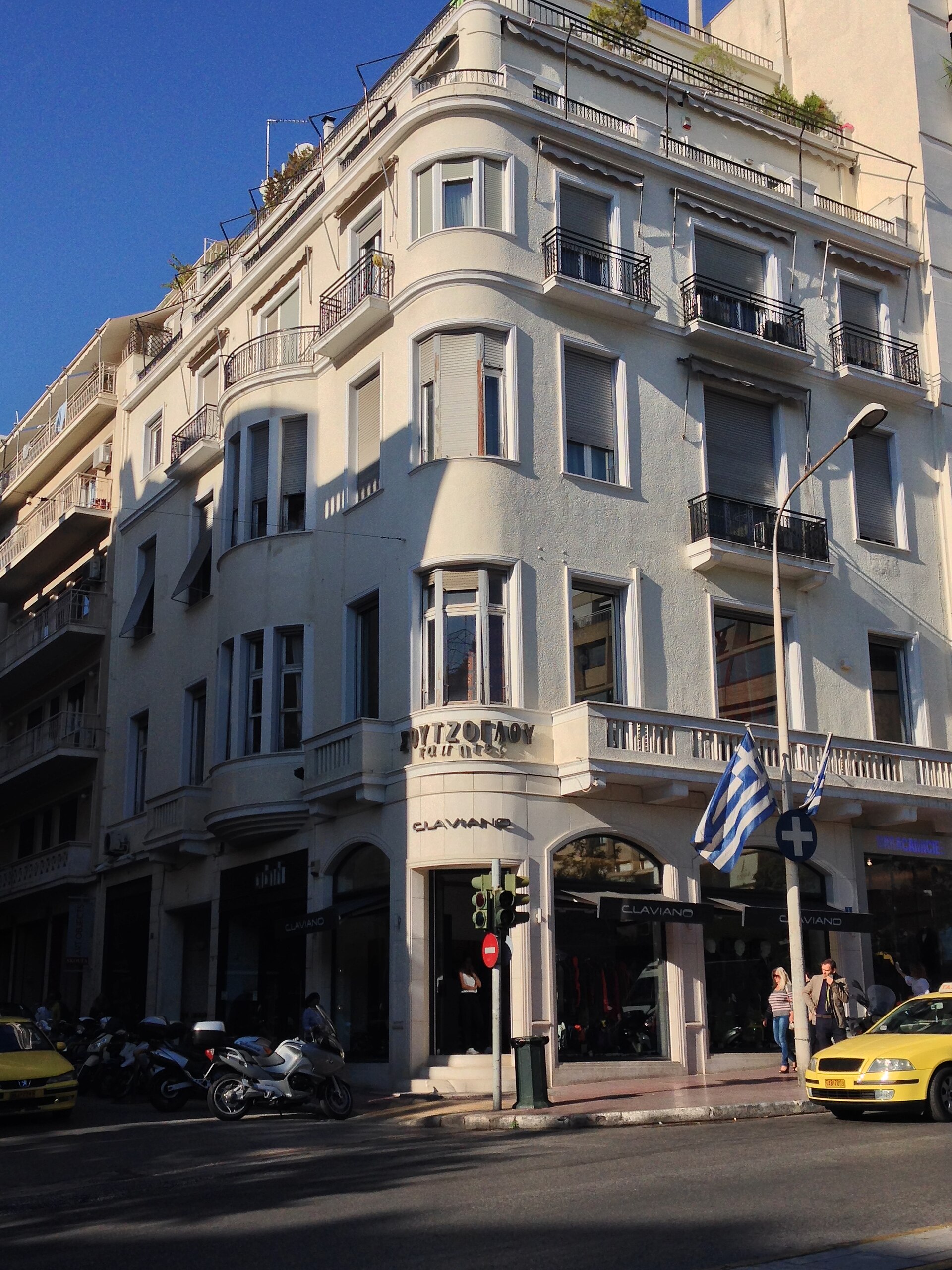
- Take the funicular at sunset to enjoy panoramic views of the city and the illuminated Acropolis.
- Stroll along Voukourestiou Street, the heart of luxury shopping and historic jewelry stores.
- Enjoy a coffee in Filikis Eterias Square, observing the comings and goings of the Athenian elite and public figures.
- Explore the contemporary art galleries hidden among the district's side streets.
- Dine in one of the bistros on Skoufa Street, where Greek cuisine blends with international influences.
- Visit the Friday organic market on Xenokratous Street for a taste of typical Attica products.
Traditions, flavors, and social life
In Kolonaki, tradition is expressed through refined conviviality. You won't find classic tourist tavernas with checkered tablecloths, but rather modern "mezedopoleia" where typical dishes are reinterpreted with the highest quality ingredients. Coffee culture here is taken to the extreme: it's a social ritual that can last for hours, a moment for discussion and visibility. In the evening, the district transforms into the center of elegant nightlife, with sophisticated cocktail bars and restaurants offering everything from the freshest Aegean Sea fish to gourmet experiments. However, there are also historic bakeries that bake warm "koulouri" (sesame bagels) and pastry shops serving traditional sweets like "galaktoboureko," keeping the connection with Greek gastronomic roots alive in a cosmopolitan context.
The urban landscape and the greenery of Lycabettus
Kolonaki's landscape is characterized by a constant slope that offers sudden glimpses of the sea or the surrounding mountains. The streets are often lined with bitter orange trees, which in spring fill the air with an intoxicating scent. As one ascends towards Lycabettus, concrete gives way to dense Mediterranean vegetation. This contrast between the dense and luxurious architecture of the lower district and the wild nature of the hill is one of the area's most fascinating aspects. Residents use the mountain paths for jogging or refreshing walks, making Kolonaki one of the few places in central Athens where one can completely disconnect from urban noise without leaving the city.
When to go and how to experience the district
The best time to visit Kolonaki is spring (April-June) or autumn (September-October), when temperatures are mild and allow for tackling the district's climbs without excessive effort. In spring, the blooming orange trees and the vibrant green of Lycabettus make the atmosphere magical. To experience Kolonaki like a local, avoid the hottest hours of the afternoon and prefer late morning for shopping and museums, or the evening for aperitifs and dinner. The district is extremely safe and pleasant to explore on foot, provided you have comfortable shoes to navigate the numerous steps and slopes. Remember that Kolonaki follows Greek rhythms: nightlife starts late, and cafes are crowded until late in the evening.
FAQ
Come si arriva a Kolonaki dal centro di Atene?
È un quartiere adatto alle famiglie?
Qual è il costo medio per una giornata a Kolonaki?
Quanto tempo serve per visitare i musei principali?
Dove si trova la famosa funicolare per il Licabetto?
Getting there
- Aeroporto Internazionale di Atene 'Eleftherios Venizelos' (ATH) - 30 km
- Metropolitana Linea 3 (Blu) - Stazione Evangelismos
- Metropolitana Linee 2 e 3 - Stazione Syntagma
- Dall'aeroporto seguire la Attiki Odos verso il centro, poi imboccare viale Vassilissis Sofias.
- Evitate l'auto privata: il parcheggio è estremamente difficile e costoso. Il quartiere è perfettamente servito dai mezzi pubblici e dai taxi.
Perfect for
Un concentrato unico di istituzioni museali che coprono l'intera storia greca, dalla preistoria all'arte contemporanea.
Il distretto dell'alta moda e del design, ideale per chi cerca brand internazionali e gioielleria d'eccellenza.
Grazie al Monte Licabetto, offre i migliori punti di osservazione su tutta l'Attica e l'Acropoli.
Perfetto per vivere l'atmosfera cosmopolita di Atene tra caffè eleganti, gallerie d'arte e ristoranti gourmet.
To see
Da vedere a Kolonaki
Routes · Trovido Route
