

Athina
Athens is not simply a city, but an idea that has taken shape in marble and time, a stage where humanity has enacted its most lumi...
Updated 7 July 2026
This season · July · Summer
What to do in Athina now
The story
The story of Athina
A millennial chronicle: from origins to myth
The history of Athens is rooted in a past so remote that it merges with legend. Inhabited since the Neolithic period, the city became a fortified Mycenaean center before flourishing, in the 5th century BC, into the Golden Age of Pericles. It was during this period that Athens defined the aesthetic and political canon of the West, resisting the Persians and building the masterpieces of the Acropolis. However, its destiny has been marked by alternating fortunes: after Macedonian rule and the Roman conquest — which nevertheless respected its cultural prestige — the city passed through the Byzantine centuries, becoming a provincial center. Ottoman domination, lasting almost four centuries, left a deep imprint on urban planning and customs, until the war of independence in 1821. In 1834, when it was proclaimed the capital of modern Greece, Athens was little more than a village of a few thousand souls; since then, its growth has been impetuous, transforming it into the complex and fascinating metropolis we admire today.
The Acropolis: the sacred rock
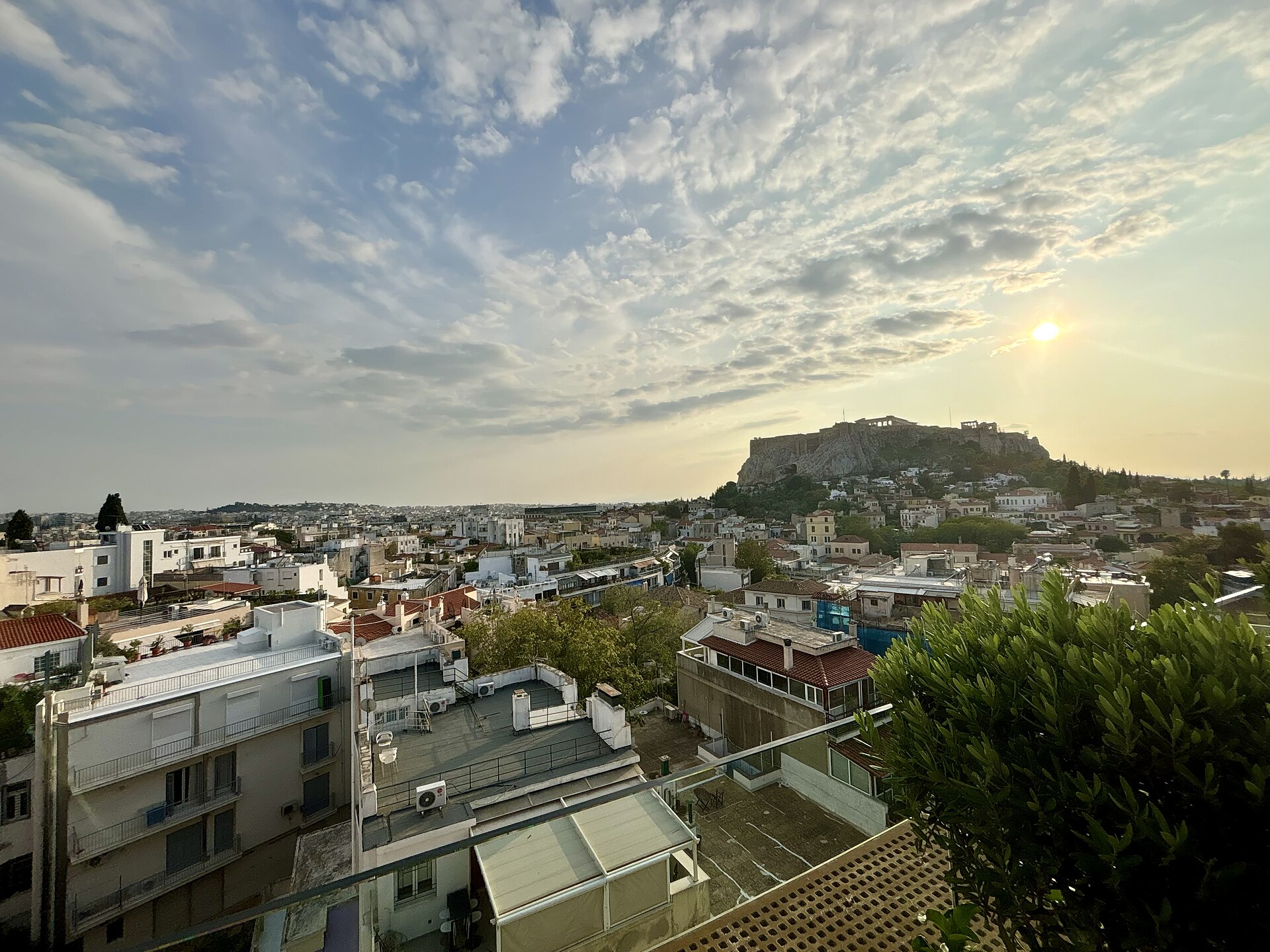
A universal symbol of Greece, the Acropolis dominates the city from a limestone rock outcrop. It is not just an archaeological site, but the spiritual core of antiquity. Access is through the Propylaea, the imposing monumental entrance designed by Mnesicles, which prepared visitors for the vision of the sacred. Here, the harmony of proportions defies time. Beyond its architectural value, the Acropolis represents the triumph of reason and order over chaos, a political manifesto in stone commissioned by Pericles to celebrate Athenian supremacy after the Persian Wars. Every block of Pentelic marble tells of excellent craftsmanship and an ambition that aimed to make the city 'the school of Hellas'.
The Parthenon: perfect balance
The Parthenon, dedicated to Athena Parthenos, is the absolute masterpiece of the Doric order. Built between 447 and 432 BC by architects Ictinus and Callicrates under the supervision of Phidias, the building is famous for its subtle optical corrections: the columns are slightly inclined inwards and feature a bulge (entasis) to appear perfectly straight to the human eye. Despite the devastations suffered over the centuries — including its transformation into a church, a mosque, and the tragic explosion of a gunpowder magazine in 1687 — the temple retains a breathtaking majesty. Its friezes, partly preserved in the nearby Acropolis Museum, narrate myth and civic life with a vitality that still seems to pulsate in the marble.
The Erechtheion and the Caryatids
On the north side of the Acropolis stands the Erechtheion, an Ionic temple with an unusual and complex plan, built on the spot where, according to myth, Athena and Poseidon vied for possession of the city. The most iconic feature is the Porch of the Caryatids, where six female figures of extraordinary elegance serve as columns, supporting the architrave with effortless grace. The original statues are now protected from pollution in the Acropolis Museum (one is in the British Museum), but the copies in situ allow visitors to appreciate the originality of this building, which housed the city's oldest and most mysterious cults, including the saltwater spring and the sacred olive tree.
The Ancient Agora: the heart of democracy
At the foot of the Acropolis lies the Ancient Agora, the nerve center of Athenian public life. Here, trade took place, philosophy was debated, and justice was administered. Among the remains, the Temple of Hephaestus stands out, one of the best-preserved Doric temples in the world, dominating the Kolonos Agoraios hill. Walking among the foundations of the ancient stoas (porticoes), one can almost hear the echo of Socrates' disputes or the speeches of orators. The Stoa of Attalos, faithfully reconstructed in the 1950s, now houses the site museum, offering a clear vision of how these monumental spaces dedicated to civic encounter and debate once appeared.
The Roman Agora and the Tower of the Winds
With the shift of power towards Rome, the commercial center moved to the Roman Agora, built with funding from Julius Caesar and Augustus. The most fascinating element of this complex is undoubtedly the Tower of the Winds, an octagonal marble structure that served as a sundial, water clock, and weather vane. Each side of the tower bears a relief personifying one of the winds, an extraordinary example of how science and aesthetics merged in the ancient world. Not far away, the Gate of Athena Archegetis marks the monumental entrance to this square, which became the city's new gathering place during the imperial era.
The Temple of Olympian Zeus and Hadrian's Arch
The Olympeion was destined to be the largest temple in the Greek world, but its construction, begun in the 6th century BC, was only completed under Emperor Hadrian in the 2nd century AD. Today, only 15 of the original 104 colossal Corinthian columns remain standing, but their monumental scale allows one to imagine the grandeur of the original structure. Adjacent to the site is Hadrian's Arch, a triumphal arch that symbolically marked the boundary between the old Greek city (the city of Theseus) and the new Roman expansion (the city of Hadrian), testifying to the emperor's profound admiration for Hellenic culture.
Panathenaic Stadium: the cradle of Olympism
Entirely built of white Pentelic marble, the Panathenaic Stadium (or Kallimarmaro) stands in a natural hollow where games in honor of Athena once took place. Restored to host the first modern era Olympic Games in 1896, the stadium impresses with its elongated U-shape and the dazzling whiteness of its stands. It is a place full of charm, where the athletic past of antiquity merges with the contemporary sporting spirit. Even today, it is the finish line of the Athens Marathon and the place where the Olympic flame is handed over, remaining an enduring symbol of brotherhood and competition.
Plaka and Anafiotika: the picturesque soul
Plaka is the oldest and most charming district of Athens, a labyrinth of cobbled streets that climb the slopes of the Acropolis. Here, pastel-colored neoclassical houses host traditional tavernas and artisan shops. Climbing even higher, you encounter Anafiotika: a tiny village with white houses and blue doors built in the nineteenth century by workers from the island of Anafi. Walking here gives the illusion of being in a Cycladic village, far from city traffic, among basil pots and lazy cats sunbathing on low walls, offering one of the most intimate and romantic glimpses of the capital.
The urban landscape: hills and views
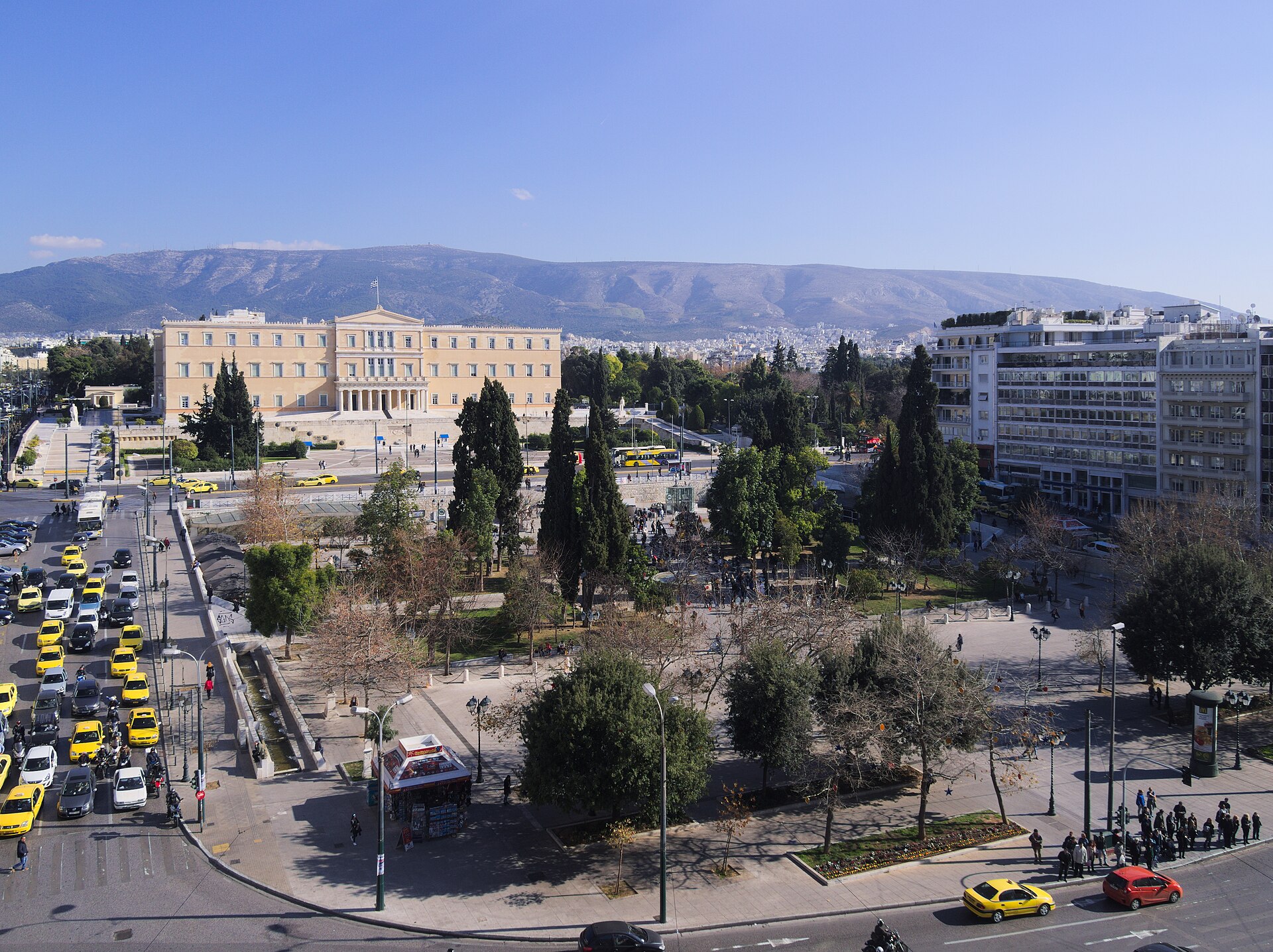
Athens is a city of hills, each with its own identity. Lycabettus, the highest peak, offers the most spectacular view: at sunset, the Acropolis lights up and the expanse of houses looks like a white sea reaching the Aegean. Philopappos Hill, on the other hand, is a natural park where dirt paths lead to ancient monuments and offer the best perspective for photographing the Parthenon. To the south, the city opens onto the Apollo Coast, the so-called Athenian Riviera, where the landscape softens among rocky coves and elegant beach resorts, culminating in the scenic Cape Sounion, where the Temple of Poseidon greets sailors from atop a cliff overlooking the sea.
Traditions, flavors, and nightlife
Athenian culture expresses itself at the table and in the squares. The cuisine is a triumph of Mediterranean ingredients: from the ubiquitous souvlaki eaten standing in Monastiraki, to the elaborate moussaka served in the tavernas of Psirri. The central market (Varvakios) is the pulsating heart of local gastronomy, a riot of olives, feta cheeses, spices, and fresh fish. But Athens is also a city that never sleeps: nightlife moves from the chic bars of Kolonaki to the alternative clubs of Gazi, a former industrial district transformed into a cultural hub. However, the ritual of slowly sipping Greek coffee in the shade of a plane tree remains the most authentic social moment for its inhabitants.
- Visit the Acropolis Museum to admire the original friezes in an avant-garde architectural structure.
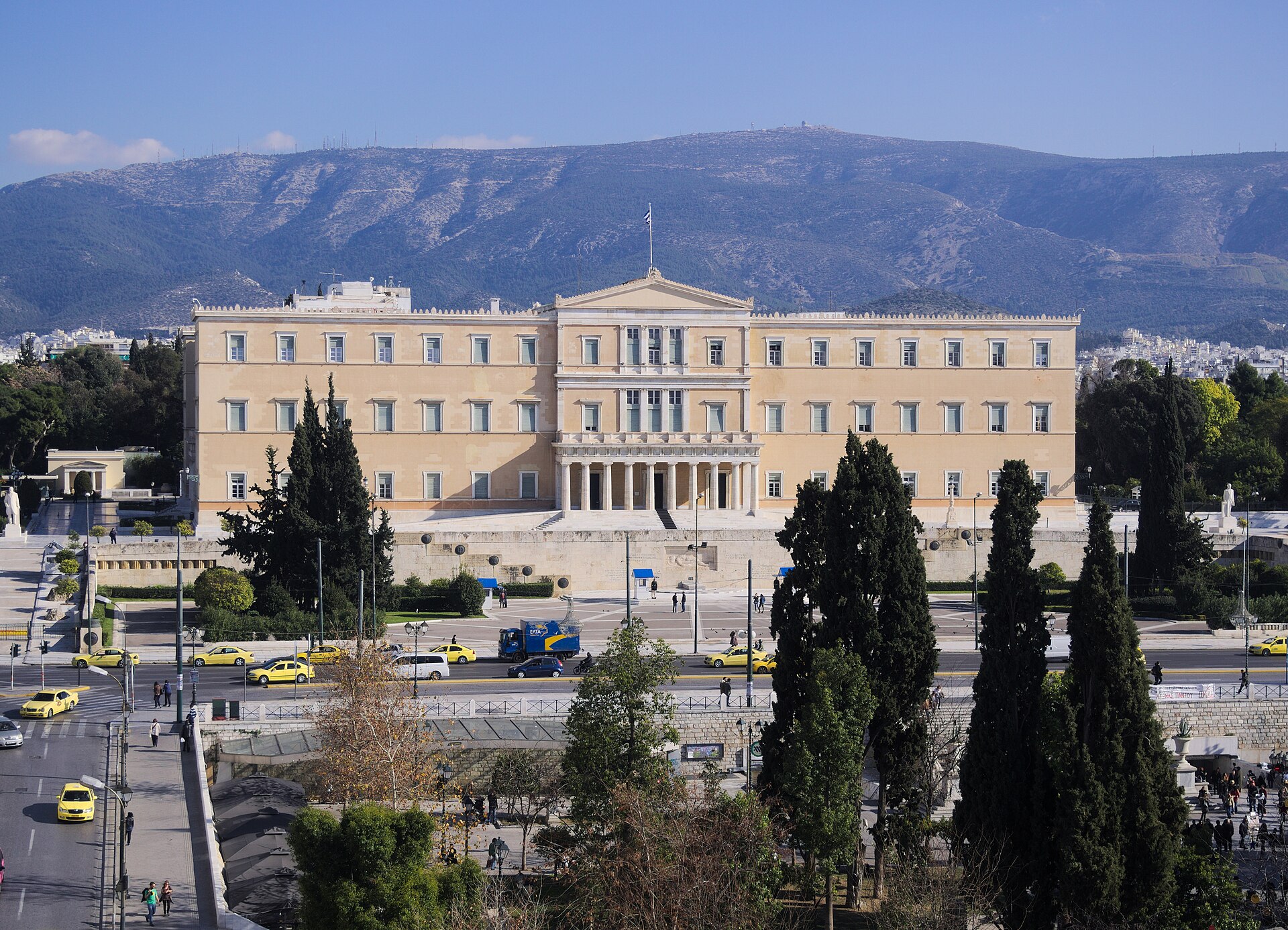
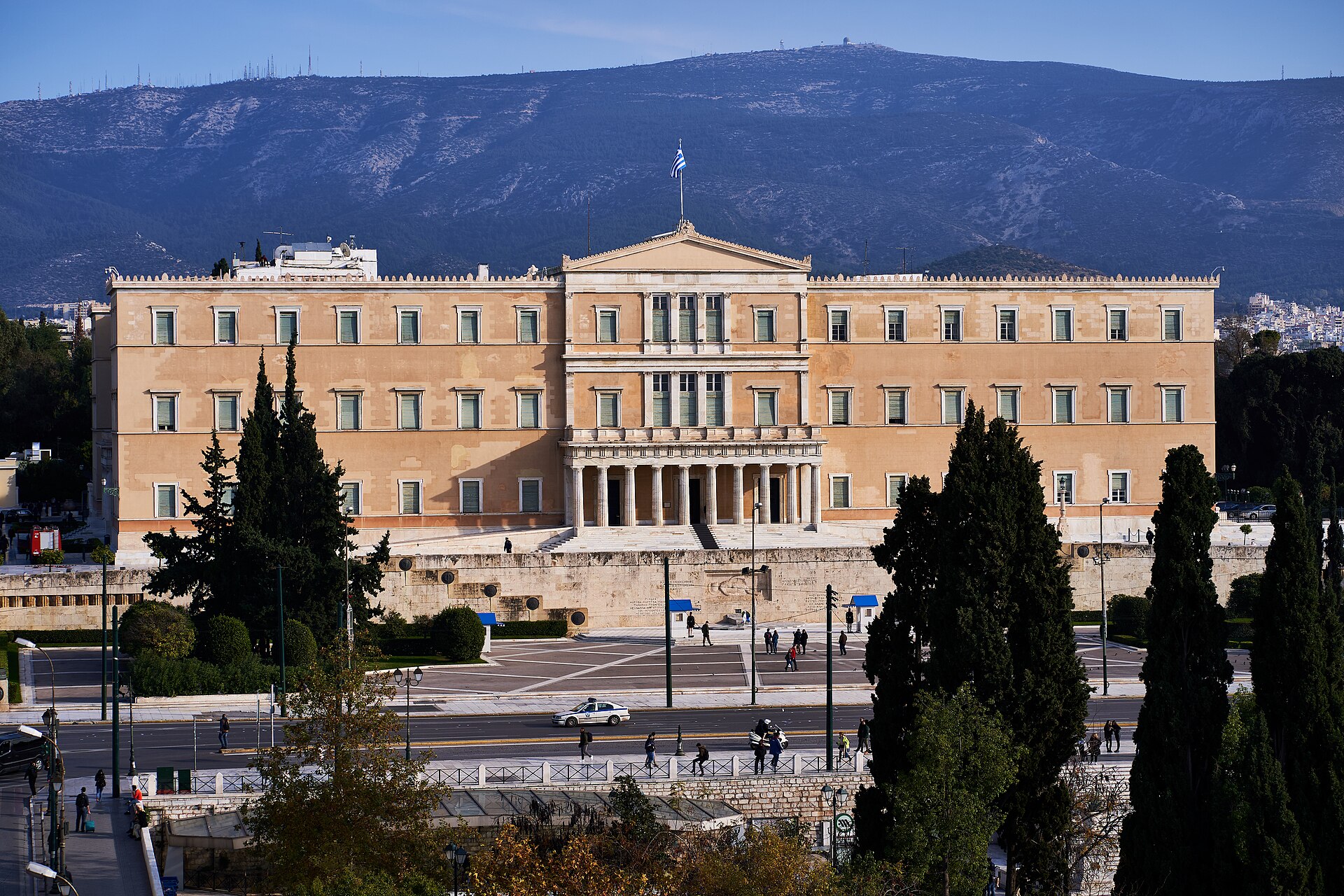
- Witness the changing of the guard in front of the Parliament in Syntagma Square, with the Evzones in their traditional uniforms.
- Get lost among the stalls of Monastiraki flea market in search of vintage items and antiques.
- Ascend Lycabettus by funicular or on foot to enjoy the sunset over all of Attica.
- Dine in a taverna in Psirri listening to live Rebetiko music.
- Stroll along the pedestrian Dionysiou Areopagitou that surrounds the Acropolis.
FAQ
Qual è il periodo migliore per visitare Atene?
Come ci si sposta in città?
È necessario prenotare per l'Acropoli?
Quanto tempo occorre per vedere le attrazioni principali?
Atene è una città sicura?
Getting there
- Aeroporto Internazionale di Atene Eleftherios Venizelos (ATH) - 35 km dal centro
- Stazione di Atene (Larissis Station) per collegamenti nazionali
- Linea Metro 3 (Blu) dall'aeroporto al centro
- Autostrada A1/E75 da nord (Salonicco) e A8/E94 da ovest (Corinto/Peloponneso).
- Dall'aeroporto, il bus X95 è attivo 24 ore su 24 e porta direttamente in Piazza Syntagma, un'ottima alternativa economica alla metro.
Perfect for
Un museo a cielo aperto unico al mondo, con siti che hanno segnato la storia dell'umanità.
Sapori mediterranei autentici, dallo street food ai ristoranti gourmet premiati Michelin.
Una metropoli vivace con quartieri eclettici, mercati storici e una vita notturna inesauribile.
To see
