

Vlorë
Where the Adriatic gives way to the Ionian Sea, set on the wide gulf that bears its name, Vlorë is one of the oldest and most mean...
Updated 8 July 2026
The story
The story of Vlorë
Ancient origins: from Aulona to Vlorë
The urban core of Vlorë has its roots in classical antiquity, when Aulona stood on the gulf, an Illyrian settlement that soon entered the orbit of Greek and later Roman trade thanks to its strategic position at the very point where the Adriatic narrows toward the Ionian Sea. The name itself, passed down through Greek and then Ottoman Avlona, has remained essentially recognisable in the modern Albanian form. For centuries the city was an obligatory landing point for anyone sailing along the Balkan coast toward Epirus or Italy, a maritime hinge role that shaped its cosmopolitan character from the outset and can still be felt today while strolling between the port and the old town.
Two thousand years of rule
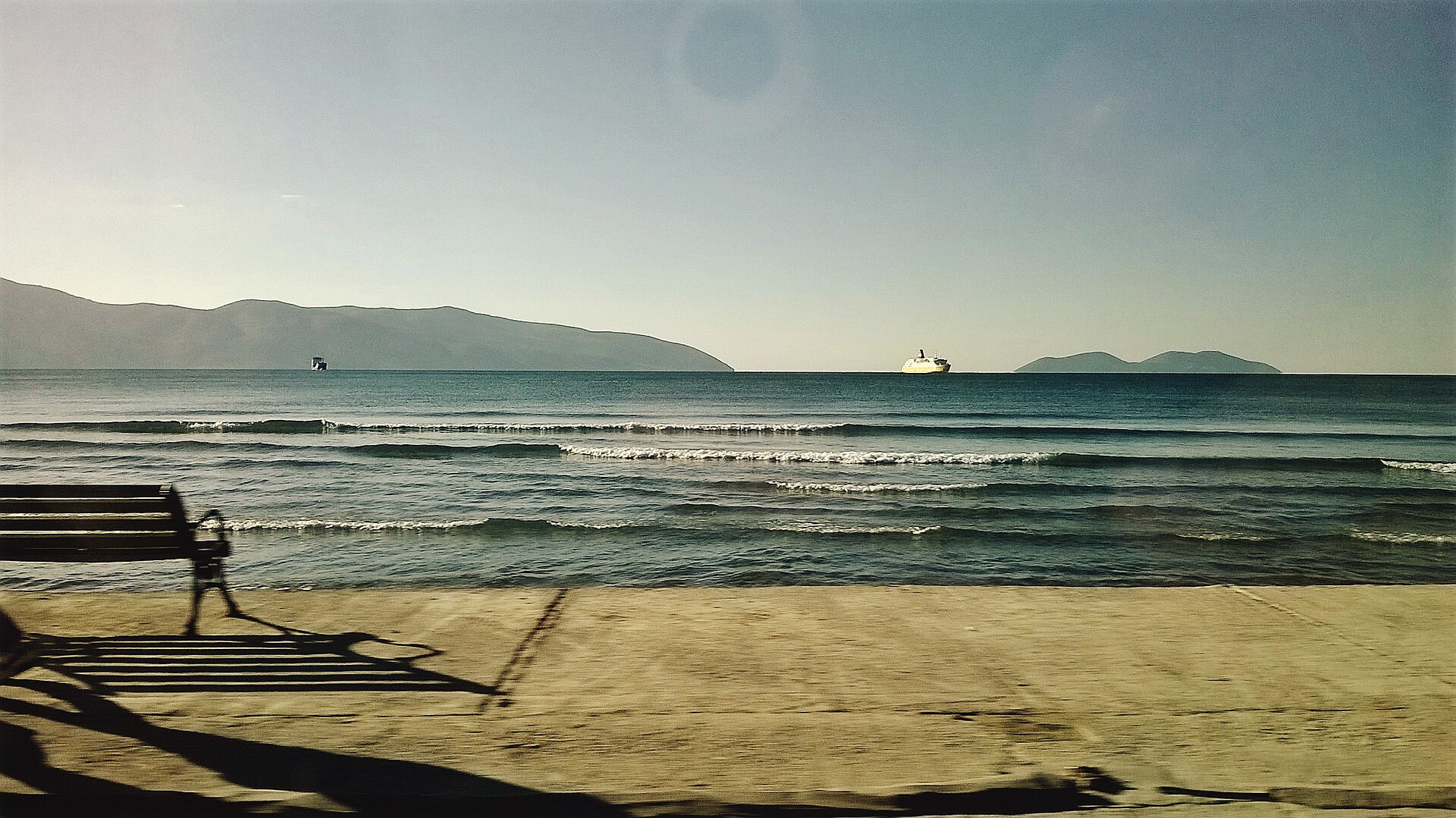
After the Roman era and the long Byzantine interlude, Vlorë saw a succession of powers vying for control: Norman raids in the 11th century, Angevin and Venetian influences, Serbian principalities in the late Middle Ages, until in the 15th century the city came under the Ottoman Empire, which held it for about four hundred and fifty years. This long period, more than a simple occupation, was a layering: mosques and Bektashi tekkes coexisted with Orthodox churches, and markets and oriental architecture wove themselves into the pre-existing urban fabric. It is from this sedimentation that the city's plural character was born, still able today to display minarets, bell towers and secular monuments of the independence era side by side.
1912: the cradle of Albanian independence
The most important chapter in Vlorë's recent history unfolded within a few hours in November 1912, when, as the Ottoman Empire was collapsing under the pressure of the Balkan Wars, the politician and patriot Ismail Qemali gathered delegates from the various Albanian regions and proclaimed the birth of an independent state. It was the first Albanian government of modern history, based right here in Vlorë, and from that act the city has inherited a symbolic weight that no other place in the country carries in the same way. Every year, on 28 November, Flag Day brings thousands of Albanians back to the city to relive that founding moment.
Flag Square and the Independence Monument
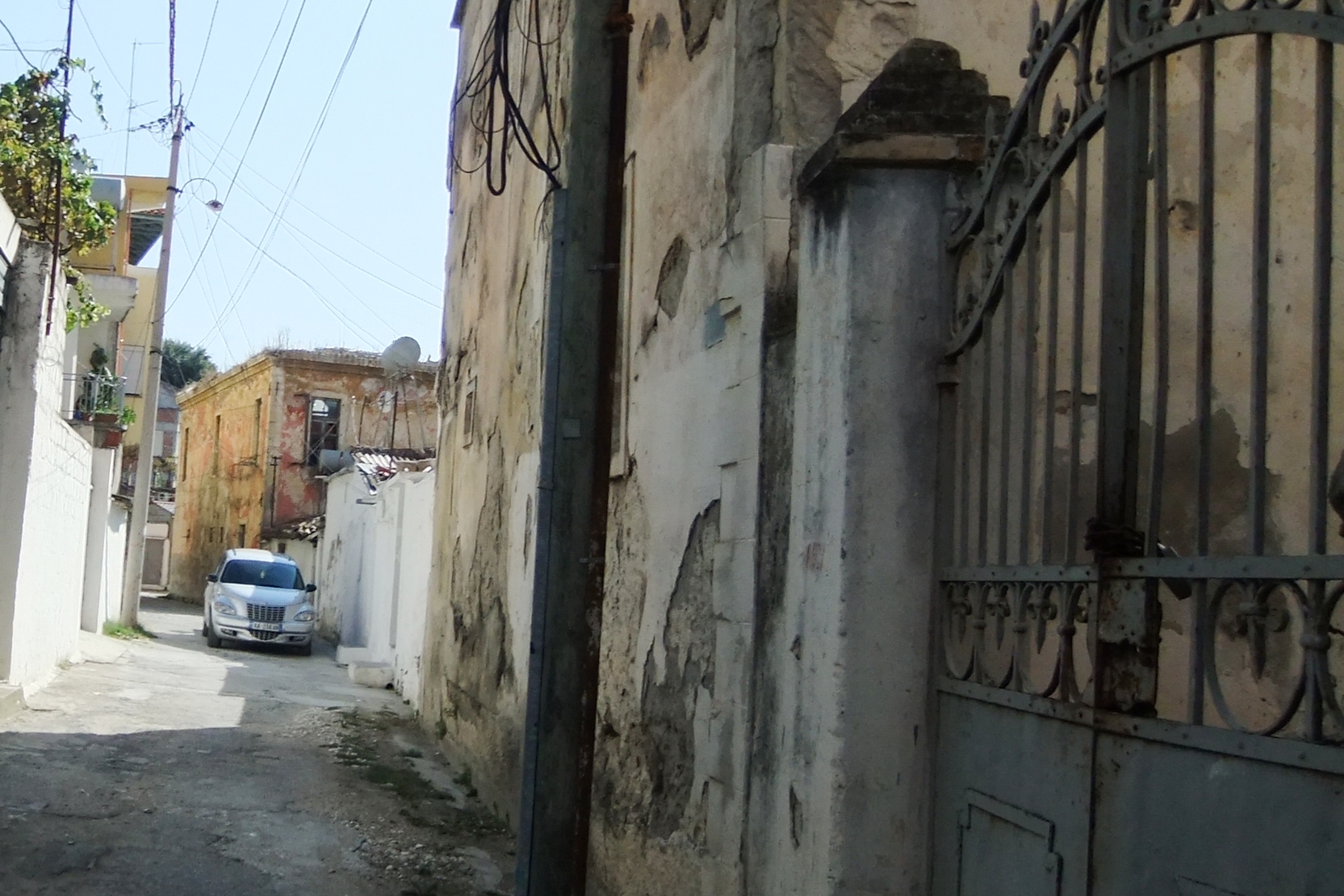
The civic heart of the city is Sheshi i Flamurit, Flag Square, dominated by the great Independence Monument: a sculptural group in which the figures of the 1912 protagonists gather around the national banner, a work designed to convey both collective momentum and the individual memory of the declaration's signatories. Beside the square stands the building that hosted the proclamation, today the National Museum of Independence, where documents, photographs and period objects reconstruct the political events that led to the birth of modern Albania. It is the point from which any visit to the city should ideally begin.
The Muradie Mosque
Among the finest historic buildings in Vlorë stands out the Muradie Mosque, built in the mid-16th century and attributed to the school of the great Ottoman architect Sinan, the same genius behind some of the masterpieces of imperial architecture in Istanbul. Its central-dome plan and measured proportions make it a significant example of Ottoman sacred art on Albanian soil, one that survived centuries of turbulent history as well as the years of the communist regime, when religious practice was banned and many places of worship were closed or repurposed. Restored more recently, it is once again a spiritual landmark and a small architectural gem open even to the secular visitor's gaze.
Kuzum Baba Hill
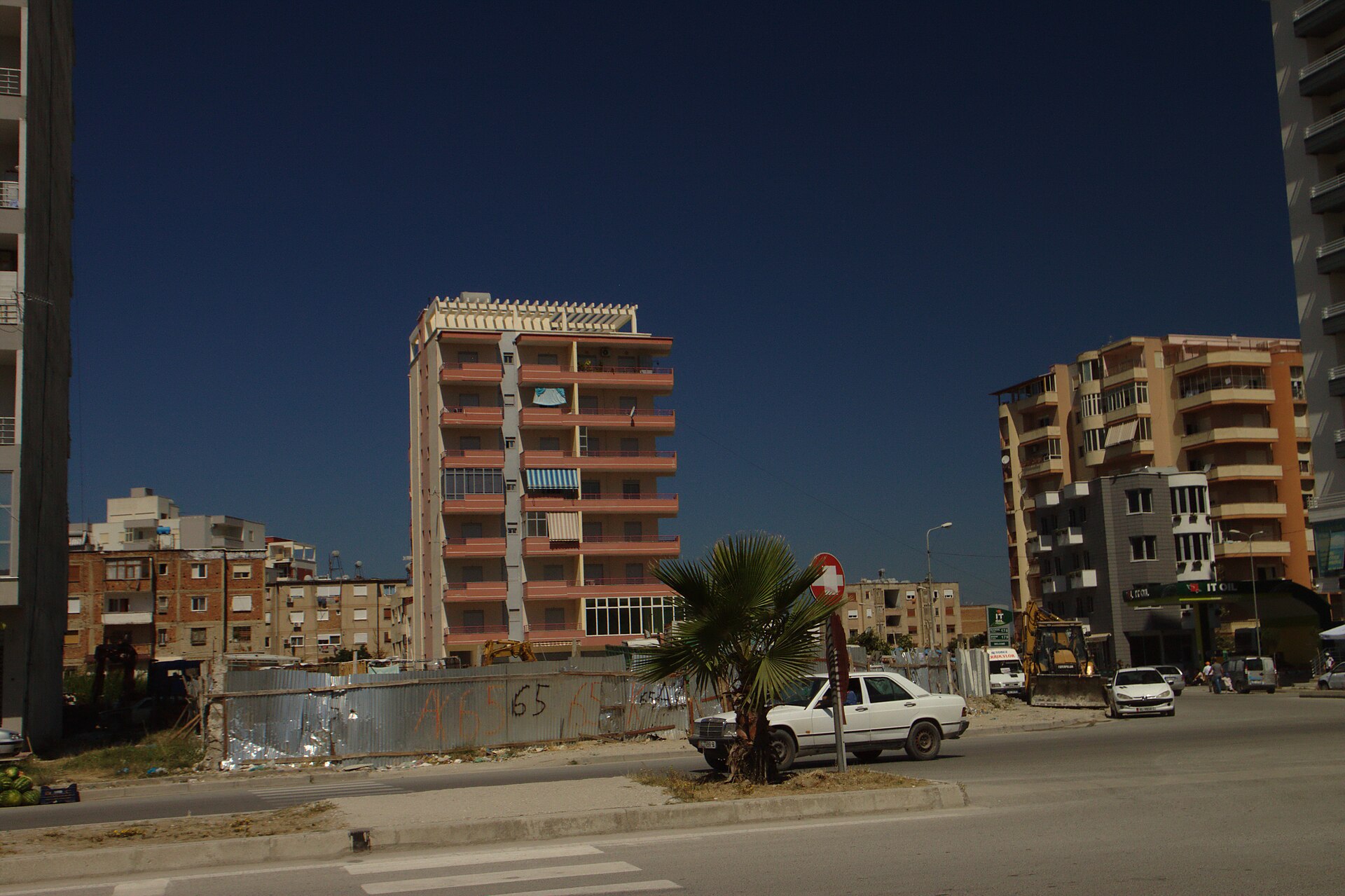
Above the urban fabric rises Kuzum Baba Hill, a green pine-dotted park that offers one of the best panoramic viewpoints over the Gulf of Vlorë, the Karaburun peninsula and, on clear days, the island of Sazan closing off the marine horizon. The name comes from a small shrine, a tekke dedicated to a locally venerated religious figure, a popular pilgrimage destination as well as a spot for the townspeople's evening walks. It is the ideal place to grasp the geography of Vlorë in a single glance: on one side the compact town and the port, on the other the blue expanse separating the two seas.
Kaninë Castle
A few kilometres from the centre, perched on a rocky spur overlooking the plain and the gulf, stands Kaninë Castle, a fortress of ancient origins reworked many times over the centuries, eventually becoming an Ottoman outpost controlling the city and the routes leading in from the hinterland. Its walls, largely still legible, enclose a small settlement and the remains of cisterns and defensive structures, while the view from above stretches from the open sea to the salt pans and the Narta Lagoon. The climb, short but scenic, is one of the most evocative moments for anyone wishing to read the region's military history written in stone.
Zvërnec Island and Monastery
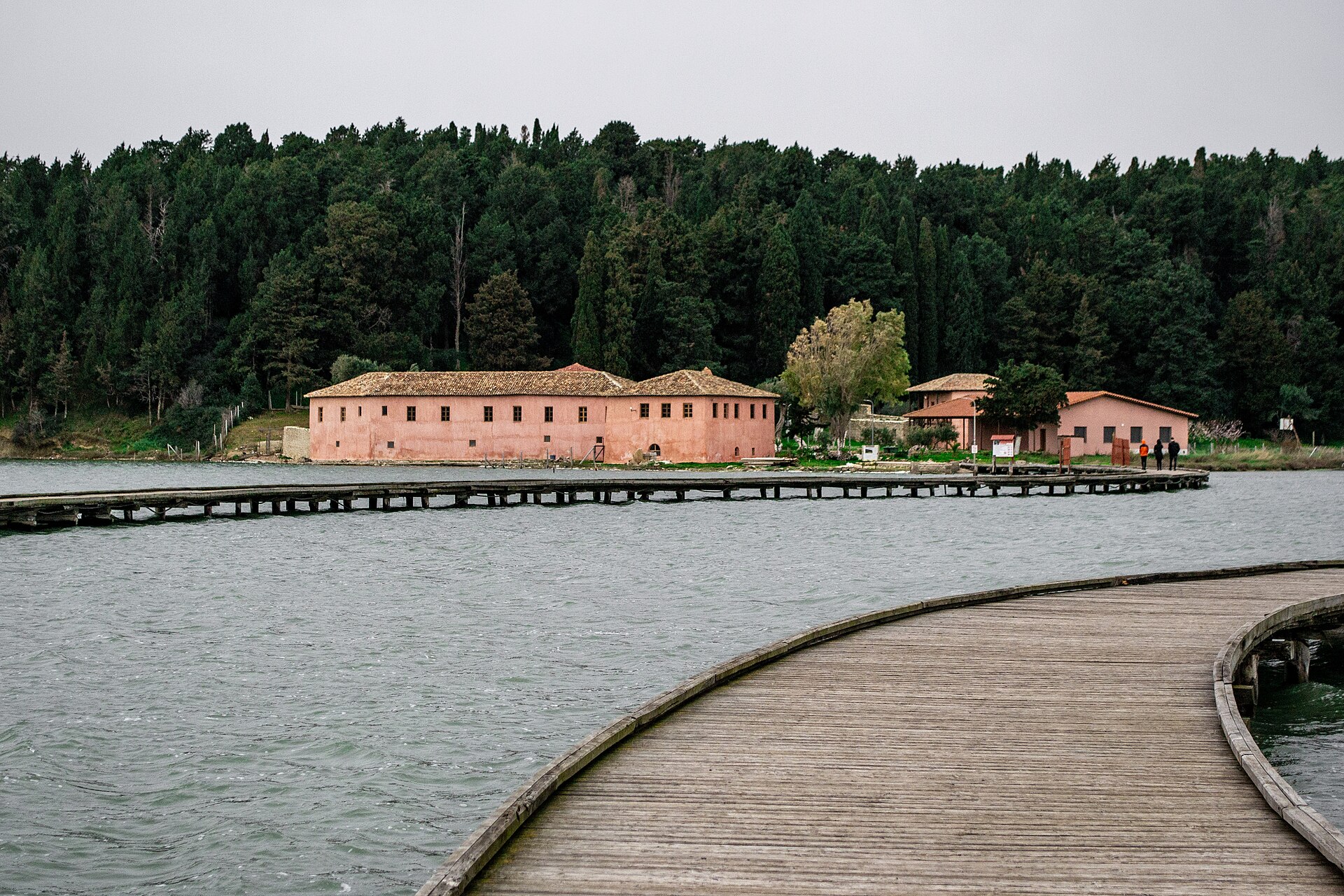
In the Narta Lagoon, just north of the city, a slender wooden footbridge set among pine trees leads to the small island of Zvërnec, where a small Orthodox monastery dedicated to the Dormition of the Virgin stands, of Byzantine origin and restored several times in the centuries that followed. The contrast between the sober, intimate religious architecture and the surrounding natural setting, made of brackish waters, reed beds and migratory birdlife, including occasional colonies of pink flamingos, makes Zvërnec one of the most poetic stops around Vlorë: a place of silence just minutes from the bustle of the city.
The Karaburun-Sazan Marine Park
Facing the gulf lies the Karaburun-Sazan National Marine Park, Albania's first protected marine area, established to safeguard the crystal-clear waters and seabeds separating the wild Karaburun peninsula from the island of Sazan. The latter, for decades a closed military base inaccessible due to its strategic position at the mouth of the gulf, has only opened to visitors in recent years, revealing abandoned bunkers, scenic trails and secluded coves. Along the peninsula's coast open sea caves of great charm, such as Grama Bay with its inscriptions carved into the rock by sailors of different eras, and the Haxhi Ali Cave, reachable only by sea.
The Llogara Pass
Those leaving Vlorë heading south toward the Albanian Riviera cross the Llogara Pass, the heart of the national park of the same name: a road of hairpin bends that climbs through dense black pine forests past a thousand metres of altitude before dropping sharply toward the Ionian Sea. The pass's viewpoint, perched high above the coast of Dhërmi and Himarë, is one of the most photographed panoramas in all of Albania: mountains plunging into turquoise water, an altitude contrast that within a few kilometres carries you from the cool mountain climate to the warm Mediterranean heat of the beach.
The ruins of Orikum
A few kilometres south of Vlorë, between the lagoon and the sea, lie the remains of ancient Orikum, a port city of Greek foundation that later became a naval base in Roman times, also recorded by historical sources for its role during the Roman civil wars, when it was the scene of military manoeuvres tied to the clash between Caesar and Pompey. Today the archaeological site, still only partly excavated, preserves traces of a theatre and of harbour structures that testify to the strategic importance of this stretch of coast since antiquity, in an area that is now quiet, framed by low hills and the nearby modern naval base.
The Vlorë coastline: beaches and bays
The Gulf of Vlorë offers a varied coastline, alternating comfortable, well-equipped city beaches with wilder coves reachable only by a bit of walking or by boat. The city shore, with its fine sand and shallow waters, is perfect for a quick swim or an evening stroll along the seafront; further south, toward Radhimë and Orikum, the waters grow clearer and the coves more secluded, already hinting at the character of the nearby Riviera.
- Uji i Ftohtë Beach, close to the centre, known for its freshwater springs that flow ice-cold even at the height of summer
- Radhimë, a bay of clear waters south of the gulf, prized for its rocks and small fish restaurants
- Orikum, a wide sandy beach at the foot of the Llogara Pass, a starting point for excursions toward Karaburun
- Coves reachable by boat along the Karaburun peninsula, among the most unspoiled in the whole country
Flavours and popular traditions
Vlorë's cuisine tells the story of the meeting between sea and hills: fresh fish cooked simply, mussels and sea urchins gathered in the Narta Lagoon, extra virgin olive oil made from the local Kalinjot variety, among the finest in Albania, and the great classics of Albanian cuisine such as filled byrek and fërgesë made with peppers and cheese. Rakì, a grape or fruit brandy that accompanies almost every social occasion, is never missing. Culturally, the city preserves a tradition of coexistence among Muslim, Bektashi and Orthodox Christian communities that is still reflected in the variety of its places of worship, while on 28 November the whole city comes alive for Flag Day with parades, music and fireworks.
When to go and how to experience Vlorë
The ideal season to visit Vlorë runs from May to October, when the sea is swimmable and the long days allow you to combine the beach, excursions on the Karaburun peninsula and unhurried visits to the old town; July and August remain the busiest months, especially further south along the Riviera, while spring and early autumn offer pleasant temperatures and lower prices. Even winter has its own quiet charm, with a silent town centre and the chance to devote time calmly to museums and local gastronomy.
- Climb Kuzum Baba Hill at sunset for the view over the gulf and Sazan
- Sail along the Karaburun coast to Grama Bay and the Haxhi Ali Cave
- Visit the National Museum of Independence and Flag Square
- Cross the wooden footbridge to reach Zvërnec Monastery in the Narta Lagoon
- Stop at the Llogara Pass viewpoint before descending toward the Riviera
- Taste fish and Kalinjot olive oil at a seafront tavern
FAQ
Quanti giorni servono per visitare Vlorë?
Come si arriva a Vlorë?
Cosa vedere in un giorno solo?
Dove si parcheggia in centro?
Vlorë è adatta a una vacanza con bambini?
È possibile visitare l'isola di Sazan?
Getting there
- Aeroporto Internazionale di Tirana 'Nënë Tereza', circa 140 km e un'ora e mezza-due ore d'auto
- Aeroporto di Vlorë, nuova infrastruttura in fase di sviluppo destinata a servire in futuro la costa sud-occidentale del Paese
- Da Tirana si segue la statale SH4 fino a Fier e poi la SH8 verso Vlorë; da sud, lungo la Riviera Albanese, si arriva attraversando il suggestivo valico del Passo di Llogara.
- In alta stagione la strada del Passo di Llogara può congestionarsi nelle ore centrali del giorno: conviene percorrerla al mattino presto o in tarda serata, quando la luce radente rende il panorama ancora più spettacolare.
Perfect for
Dalla Vlorë antica alla proclamazione dell'indipendenza del 1912, la città racconta due millenni di identità albanese in pochi isolati.
Il golfo, la penisola di Karaburun e l'isola di Sazan compongono uno dei tratti di costa meno contaminati del Mediterraneo.
Il Parco Marino di Karaburun-Sazan e le pinete del Passo di Llogara regalano paesaggi selvaggi tra mare e montagna.
Moschee ottomane, tekke bektashi e monasteri ortodossi convivono a pochi passi l'uno dall'altro, testimoniando secoli di pluralismo.
Olio Kalinjot, pesce fresco e frutti della laguna di Narta definiscono una cucina semplice e legata al territorio.
To see
Da vedere a Vlorë
Routes · Trovido Route
