

Evyiros
Suspended between the southern slopes of the Ainos massif and the cobalt blue of the Ionian Sea, Evyiros is a jealously guarded se...
Updated 7 July 2026
This season · July · Summer
What to do in Evyiros now
The story
The story of Evyiros
Historical roots: between legend and resilience
The history of Evyiros is closely tied to that of the surrounding region, once the beating heart of the island's agricultural production. The origins of the name are lost in the mists of time, but the surrounding territory bears traces of settlement dating back to the Mycenaean era, as attested by the nearby archaeological discoveries at Tzanata. During the long period of Venetian rule, the area became a hub for olive and vine cultivation, activities that shaped the landscape and the local economy for centuries. The transition to British protectorate brought infrastructural improvements, but it was the catastrophic 1953 earthquake that marked the definitive turning point: Evyiros was almost entirely levelled, forcing its inhabitants into an arduous reconstruction that nevertheless preserved the village's original layout and its unbreakable bond with the land.
The Church of Agios Ioannis
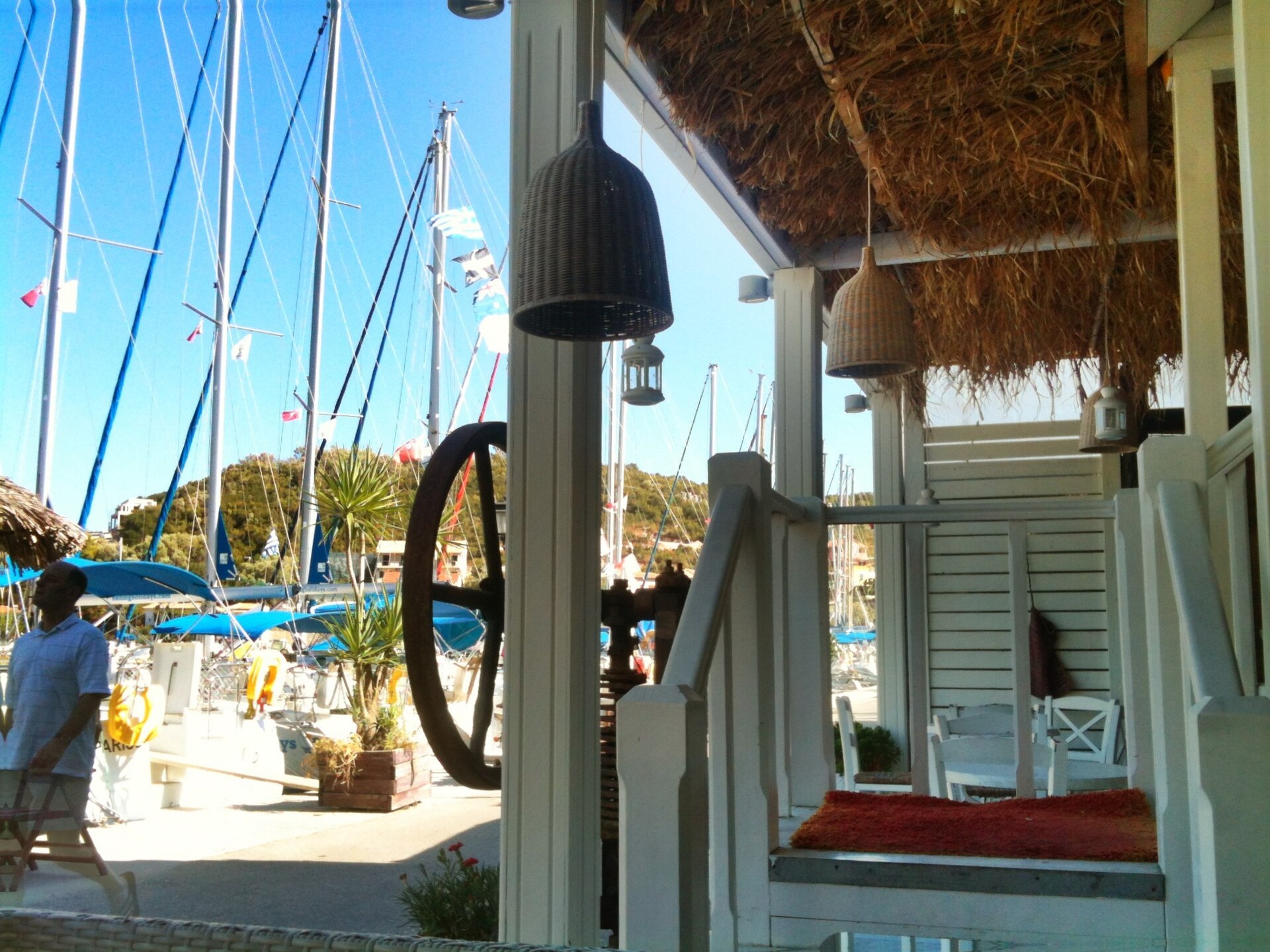
The spiritual heart of Evyiros lies in the Church of Agios Ioannis, a building that serves as a compass for the entire community. Although the current structure is the result of post-earthquake restoration, it stands on ancient foundations and holds within it precious icons that the villagers managed to save from the rubble. The church stands out for its sober architecture, typical of the Ionian style, with a bell tower rising against the blue of the sky. It is not merely a place of worship but a symbol of historical continuity: here the religious festivals that still mark the rhythm of the village calendar are celebrated, moments in which faith intertwines with popular conviviality, drawing back even those who have moved away but have never severed their ties to their roots.
The ruins of the old village
Wandering through the narrow lanes of Evyiros, one frequently encounters traces of the pre-1953 past. The ruins of the old stone houses, partly reclaimed by vegetation, offer an evocative and melancholic sight. These remains speak of a skilled building technique, made of local limestone blocks and resistant mortars, and allow one to imagine daily life of the past, organised around small courtyards and cisterns for collecting rainwater. Exploring these corners means taking an archaeological journey through everyday life, watching how nature tries to reclaim its own spaces while people try to preserve the memory of what once was. It is a silent reminder of the strength of the land and the tenacity of those who chose to stay.
The nearby Monastery of Sissia
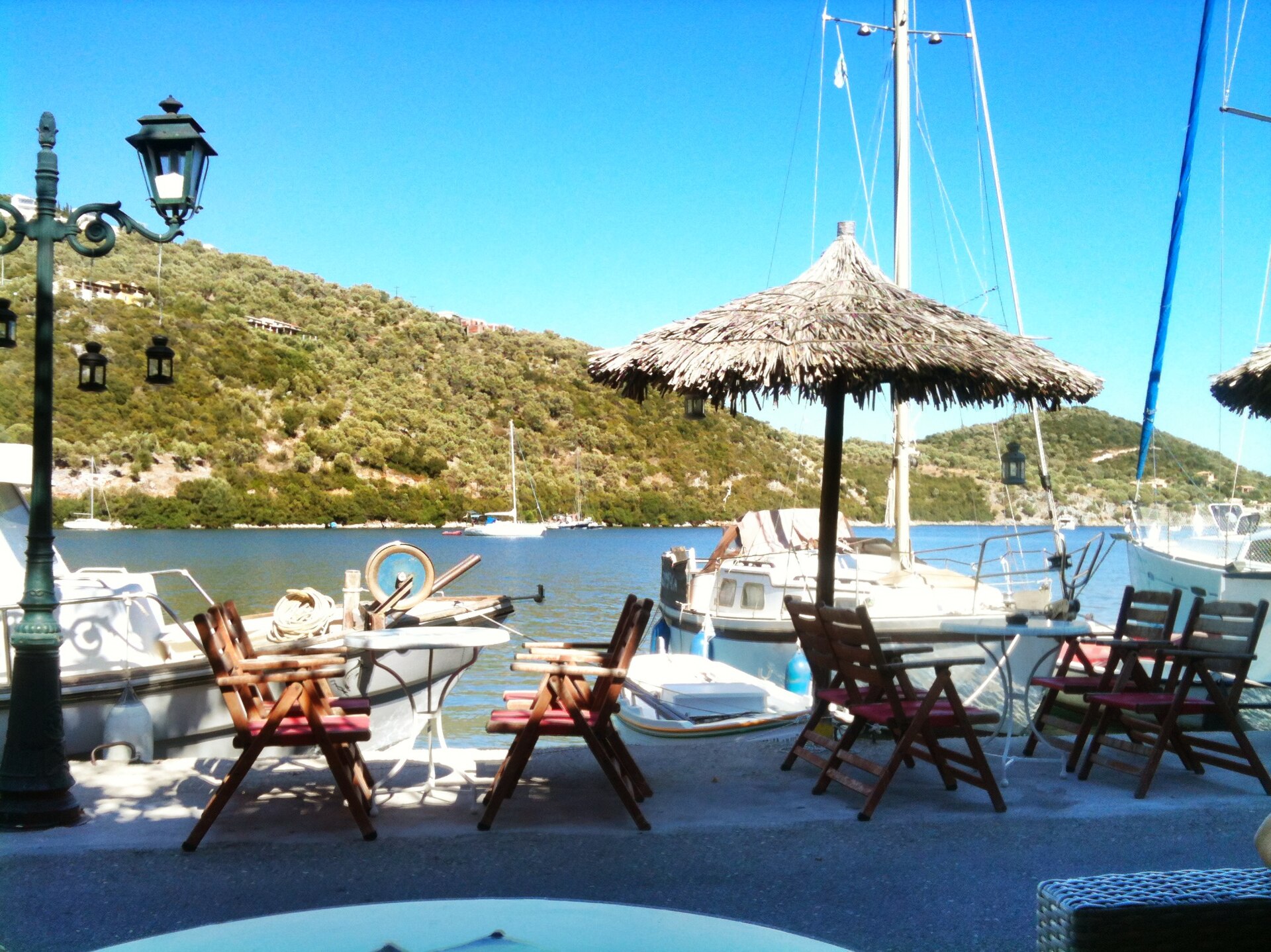
A short distance from Evyiros, heading down toward the coast, lies the Monastery of Sissia, one of the most mystically charged places in all of Kefalonia. According to tradition, it was founded by Saint Francis of Assisi during his journey to the Holy Land in the 13th century, and the monastery has lived through centuries of splendour and decline. Today it is divided into two parts: the evocative ruins of the old medieval complex, set in a breathtaking panoramic position, and the new monastery built higher up. The ruins are particularly fascinating for lovers of photography and art history, showing Gothic and Renaissance influences that are unique in the Greek context. A visit to Sissia ideally rounds out the experience at Evyiros, offering a perspective on the cultural and religious richness of the Elios area.
Surroundings and places nearby: from Pastra to Katelios
Evyiros is the ideal starting point for exploring the south-east of the island. A few kilometres away lies the village of Pastra, known for the miracle of the dried lilies that bloom during the Feast of the Virgin. Heading down to the sea, you soon reach Katelios, a fishing village that has kept a relaxed atmosphere, famous for its fresh-fish tavernas and its sandy beach. For those seeking a livelier hub instead, the resort of Skala offers broad, well-equipped shorelines and the remains of a Roman villa with extraordinarily well-preserved mosaics. This variety of landscapes and attractions makes the Evyiros area a perfect microcosm, where the quiet of the hills meets the vitality of the Ionian coast.
Nature and landscape: between Mount Ainos and the sea
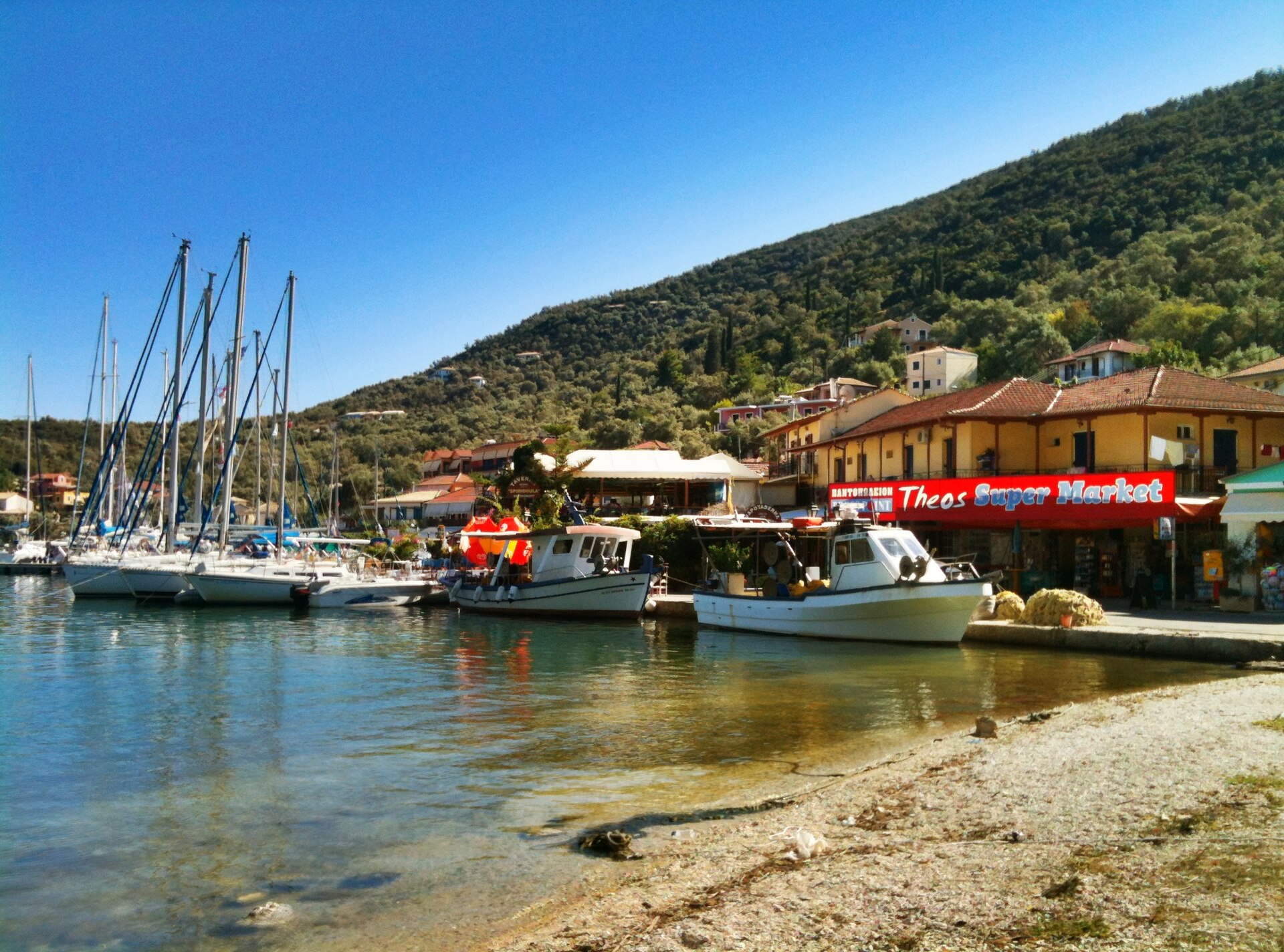
The landscape surrounding Evyiros is dominated by the contrast between the bare rock of the mountains and the lush green of the valleys. The village lies at the foot of the Mount Ainos National Park, famous for its black fir trees (Abies cephalonica) and for the wild horses that roam its slopes. The local flora is a triumph of biodiversity: from the almond trees that blossom early to the stretches of sage and thyme that perfume the trails. Hiking or mountain-biking excursions in this area offer unexpected views, with paths that climb past old mills and natural springs. It is an environment that invites slow observation, perfect for birdwatching or simply for recharging away from the noise pollution of cities.
Local traditions and flavours
Evyiros's gastronomic culture is the child of a generous land that nonetheless demands hard work. Here an extra-virgin olive oil of the very highest quality is produced, with a spicy, fruity flavour that forms the basis of every dish. The area's undisputed speciality is Kreatopita, the Kefalonian meat pie, made with several kinds of meat, rice and spices wrapped in a crisp pastry. Local cheeses are not lacking either, such as artisanal feta and the flavourful Kefalotyri. Meals are often accompanied by Robola, the island's celebrated native white wine, which finds in the region's high-altitude vineyards the ideal conditions to express its minerality. Sharing a dinner in one of the small local tavernas means discovering the true meaning of Greek hospitality (philoxenia).
Experiences not to be missed
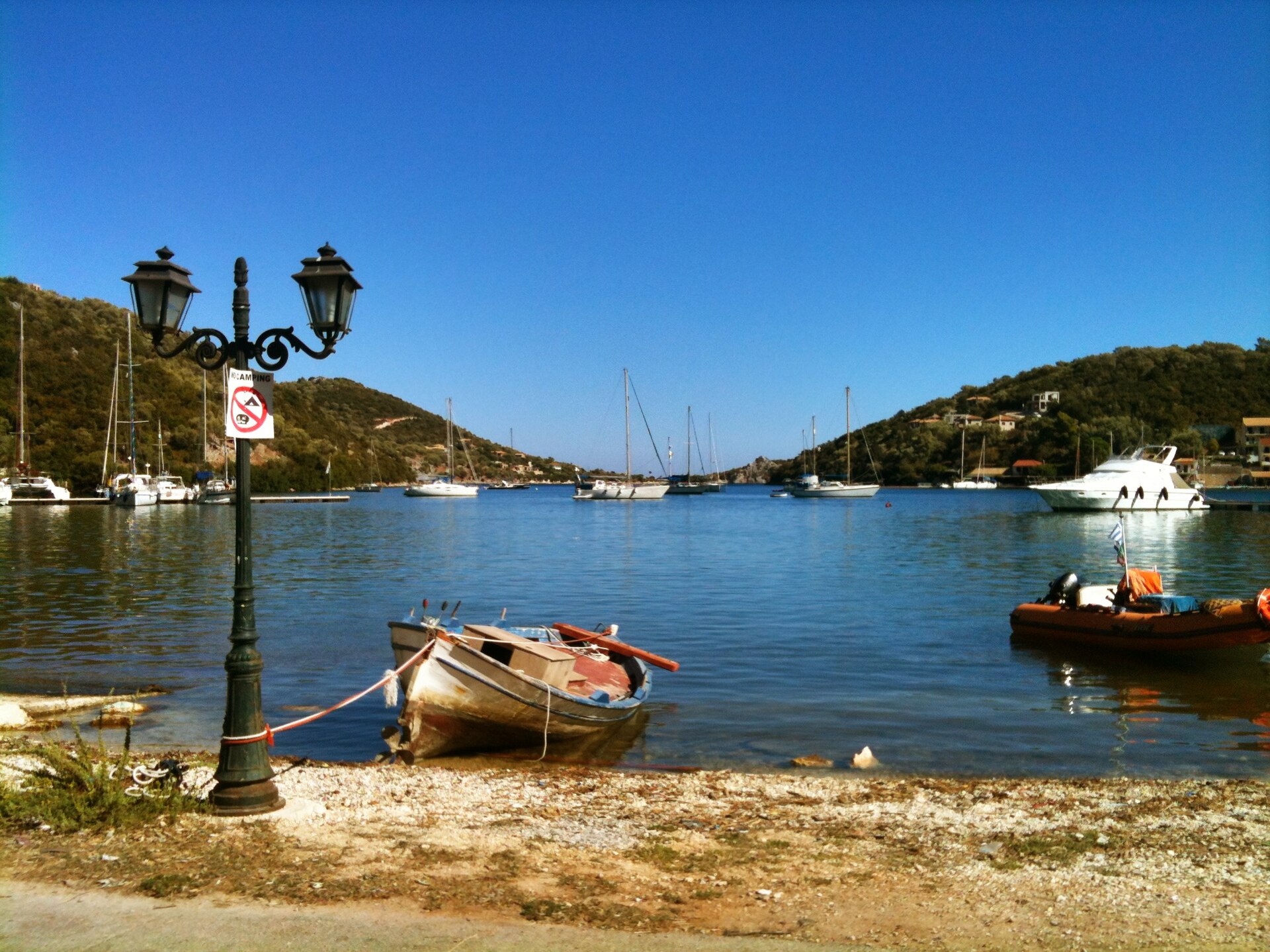
- Walk the trails linking Evyiros to the surrounding abandoned villages for a journey into history.
- Taste Robola wine at one of the local wineries set on the slopes of Mount Ainos.
- Visit the ruins of the old Monastery of Sissia at sunset for an unforgettable view.
- Attend a village festival (panigyri) to experience authentic Ionian folklore through dance and music.
- Explore the nearby Drogarati cave or the underground lake of Melissani on a day trip.
- Enjoy the village's night-time silence, perfect for stargazing thanks to the minimal light pollution.
When to go and how to experience the village
The best time to visit Evyiros runs from late spring to early autumn. May and June are magical months, with nature in full colourful bloom and ideal temperatures for hiking. September and October bring milder weather and the chance to witness the grape and olive harvests, crucial moments in the life of the village. High summer, though warm, is cooled by winds coming down from the mountains, making evenings in Evyiros pleasantly cooler than on the coast. To experience the place fully, it is recommended to stay in one of the restored traditional houses, letting yourself be lulled by the slow rhythms of the community while taking advantage of its strategic position to explore the whole island of Kefalonia.
FAQ
Cosa vedere a Evyiros in un giorno?
È adatto alle famiglie con bambini?
Dove si può parcheggiare?
Quali sono le spiagge più vicine?
Getting there
- Aeroporto Internazionale di Cefalonia (EFL) - circa 30 km
- Non sono presenti linee ferroviarie sull'isola.
- Da Argostoli, seguire la strada costiera verso sud-est in direzione Skala/Poros, svoltando verso l'interno seguendo le indicazioni per Pastra ed Evyiros.
- È indispensabile noleggiare un'auto o uno scooter per muoversi in autonomia, poiché i mezzi pubblici per i piccoli borghi sono limitati.
Perfect for
Un borgo che conserva il ritmo della vita rurale greca, lontano dai circuiti turistici commerciali.
Punto di partenza privilegiato per sentieri naturalistici tra uliveti e le pendici del Monte Ainos.
Ideale per scoprire i sapori genuini di Cefalonia, dall'olio d'oliva ai vini pregiati della regione.
To see