

Kissamos
Located on the northwestern tip of Crete, Kissamos is a border land where the wild nature of the Aegean meets a stratified and pro...
Updated 7 July 2026
This season · July · Summer
What to do in Kissamos now
The story
The story of Kissamos
A history between land and sea: from origins to today
The roots of Kissamos extend into a remote past, when the city served as a strategic port for the powerful Polyrrhenia, the city-state situated on the surrounding hills. During the Roman era, Kissamos experienced an extraordinary period of splendor, becoming an autonomous and flourishing commercial center, as testified by luxurious villas decorated with mosaics found in the urban area. With the arrival of the Venetians, the city assumed new military importance: it was then that the castle was built that gave it the name 'Kastelli Kissamou'. Over the centuries, control of the territory passed through Ottoman rule, until the dramatic events of World War II, when local resistance fiercely opposed German occupation. Each era left its mark, transforming Kissamos into a historical palimpsest where ancient walls blend with traditional Cretan architecture, telling a story of resilience that is the distinctive trait of the local people.
The Archaeological Museum of Kissamos
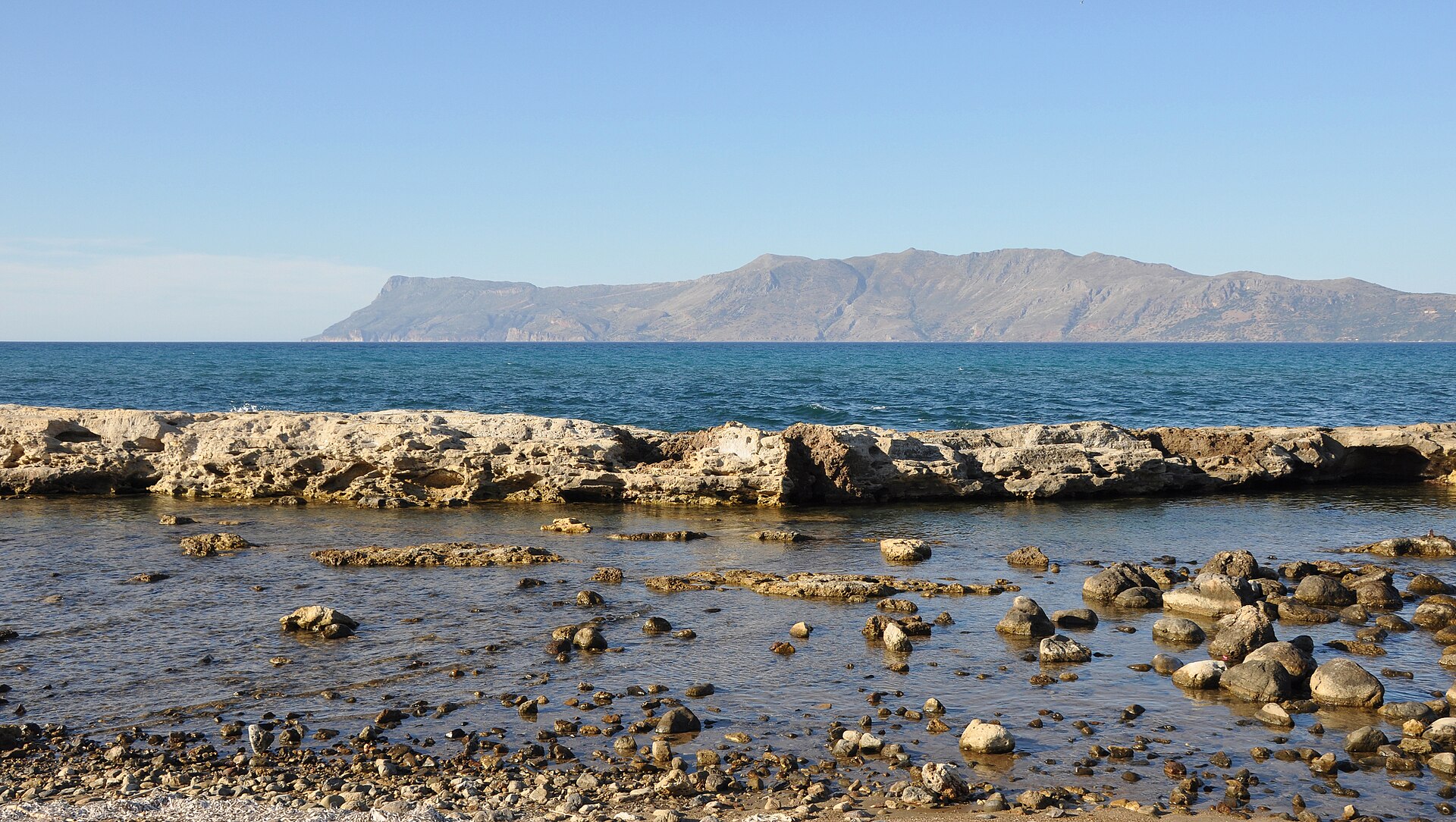
Housed in an elegant Venetian-Ottoman building that once served as the governor's headquarters, the Archaeological Museum is an essential stop for understanding the territory's evolution. The rooms display artifacts ranging from prehistory to the late Roman era, but the true treasure is represented by magnificent mosaic pavements from the II and III centuries A.D. These masterpieces, discovered during excavations in the city, depict mythological scenes, personifications of the seasons and geometric motifs of rare chromatic precision. The museum does not simply display objects, but narrates the daily life of a cosmopolitan Roman port, exhibiting amphorae, coins and jewels that testify to the intensity of maritime exchanges. It is an intimate and well-curated place, where history becomes tangible and allows you to visualize the ancient opulence of Kissamos before the centuries changed its face.
Ancient Polyrrhenia: the sentinel of the hills
A few kilometers from today's settlement, perched on a height that dominates the entire gulf, stands ancient Polyrrhenia. Founded probably by the Dorians in the VI century B.C., it was one of the most influential cities of western Crete. Today, walking among its ruins means immersing yourself in a landscape where archaeology blends with wild nature. You can admire the remains of imposing cyclopean walls, cisterns carved into the rock and the foundations of ancient temples. The site is particularly striking for its panoramic position: from the top of the acropolis the gaze spans across the sea, offering the same perspective that soldiers and merchants had millennia ago. The modern village that rises at the foot of the excavations retains an authentic rural charm, with stone houses and small orchards, making the excursion a perfect blend of ancient history and contemporary peasant life.
Balos Lagoon: a paradise of turquoise waters
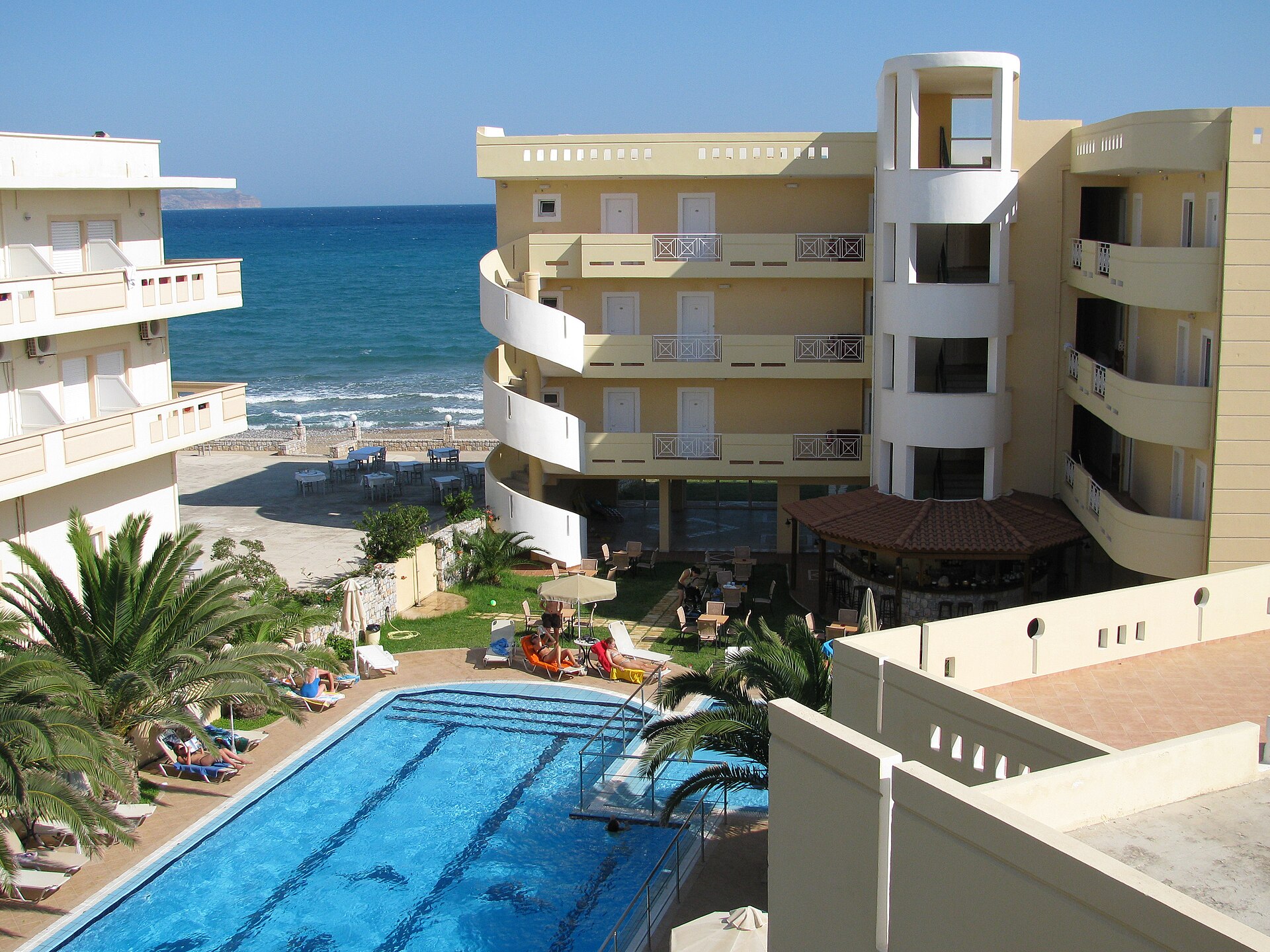
Although technically located on the tip of the Gramvousa peninsula, Balos Lagoon is inextricably linked to Kissamos, from which daily ferries depart. Balos is a miracle of nature: an expanse of the finest sand, often tinged pink because of tiny shell fragments, separating a shallow lagoon with crystal-clear waters from the open sea. The contrast between electric turquoise, cobalt blue and white sand creates an almost unreal scenario, framed by harsh rocks and Mediterranean scrub. Visiting Balos means confronting the force of the elements; whether you arrive by sea or along the steep panoramic path, the sensation is that of finding yourself in a world apart. Environmental protection of the area guarantees the conservation of this delicate ecosystem, where endemic flora blooms between sand dunes moved by wind.
The Island of Gramvousa and the Pirates' Fortress
The islet of Imeri Gramvousa, visible from much of the Kissamos coast, guards one of Crete's most spectacular Venetian fortresses. Built at the end of the XVI century to protect the island from Ottoman raids, the fortress later became a refuge for Cretan revolutionaries and, for a period, a lair for pirates who plundered ships in the eastern Mediterranean. The climb to the fortress is challenging but rewarded by a vertiginous view of the lagoon below and the wreck of a merchant ship that lies half-submerged near the shore, adding a touch of mystery to the landscape. Exploring the remaining bastions and cisterns allows you to relive the atmosphere of an isolated outpost, where survival depended on the solidity of stones and control of the marine horizon.
Falassarna: golden sand and submerged ports
Moving to the western coast, a short distance from Kissamos, you encounter Falassarna, renowned for its wide beaches and the incredible transparency of the water. But Falassarna is not just a beach destination: the area hosts the remains of an ancient Hellenistic fortified port. A unique geological phenomenon, the tectonic uplift of the island, has meant that the ancient port is now several hundred meters inland, completely dry. Visiting the archaeological site you can distinguish the docks, guard towers and careening basins, offering rare testimony of ancient naval engineering. At sunset, Falassarna transforms: the sun dips directly into the sea, painting the sky orange and violet, giving one of the most exciting natural spectacles on the entire island of Crete.
Localities and surroundings: villages of the inland
The territory of Kissamos extends inland in a series of fertile valleys and hills dotted with small villages where life still follows the cycles of agriculture. Places like Platanos are famous for the production of extra virgin olive oil of the highest quality, while proceeding southward you encounter the 'Ennea Choria' (the nine villages), a mountain area rich in chestnut forests and water springs. Here the landscape changes radically, offering freshness even in the hottest summers. Villages like Elos are famous for the chestnut festival in autumn, a moment of celebration of peasant culture among traditional music and ancient flavors. Exploring these surroundings means discovering Byzantine frescoed churches hidden among the olives and family-run taverns where the concept of hospitality is sacred.
Landscape and Nature: between harsh cliffs and endless olive groves
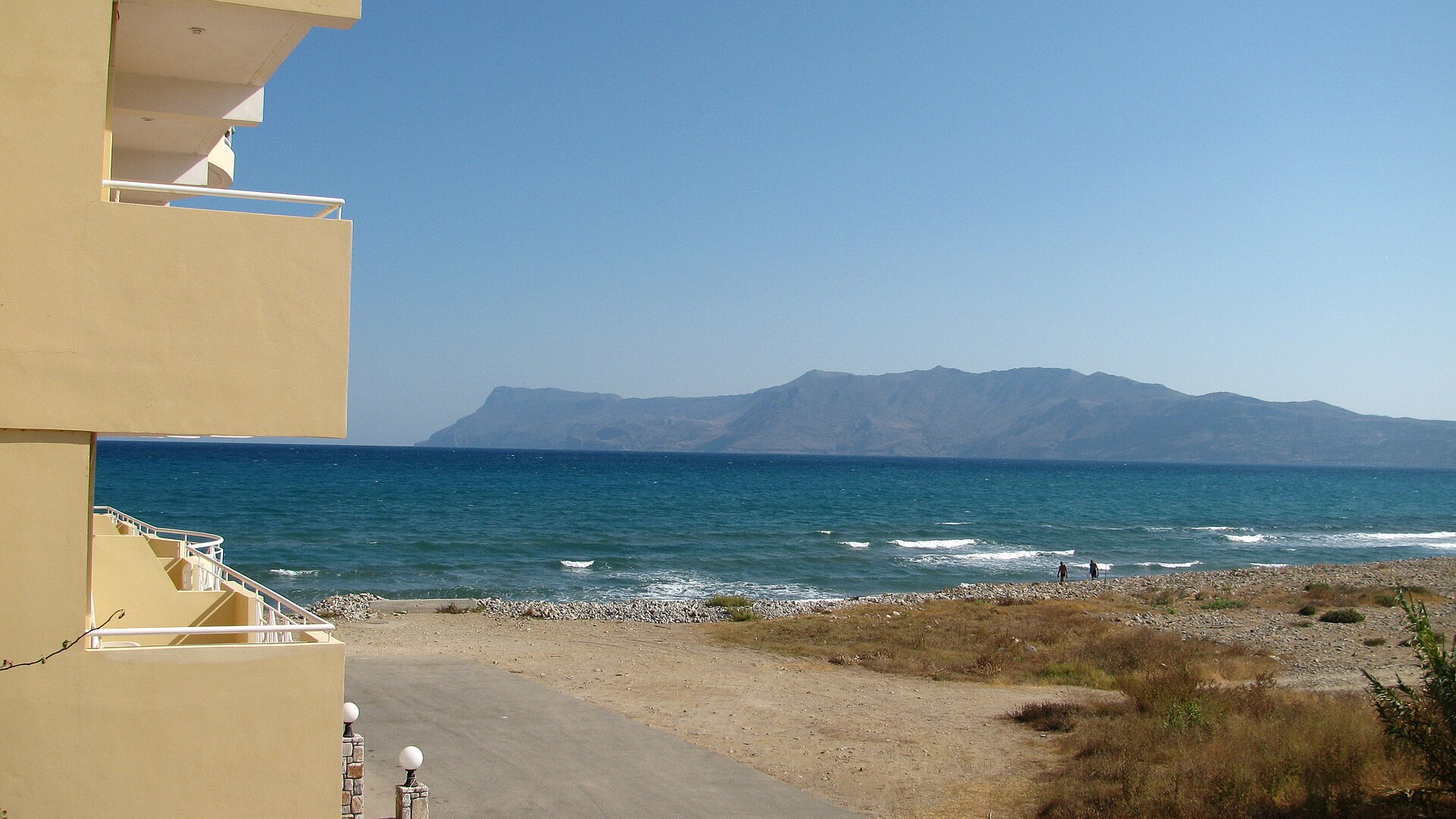
The landscape of Kissamos is defined by a dramatic contrast. On one side is the sweetness of the coastal plain, a sea of silver formed by millions of olive trees swaying in the sea breeze. On the other, the verticality of mountains that plunge into the sea, creating tormented cliffs and caves accessible only by boat. The Rodopos peninsula, less frequented than Gramvousa, offers hiking routes in untouched nature, where wild goats and birds of prey are the only inhabitants. The biodiversity is surprising: in spring, the ground is covered with wild orchids and endemic flowers, making the area a paradise for naturalists. It is a territory that invites slow exploration, on foot or by bicycle, to grasp the nuances of a land that has not yet yielded to rampant cement sprawl.
Traditions and Flavors: the essence of Cretan diet
In Kissamos, gastronomy is a matter of pride and the purest ingredients. The city is the heart of a wine region that produces excellent local varieties, often served in harbor taverns alongside 'tsikoudia', the local spirit that accompanies every social encounter. You cannot say you have visited Kissamos without tasting 'dakos', toasted bread topped with fresh tomato, olive oil and mizithra cheese, or dishes based on lamb and wild herbs gathered on the mountains. Local markets offer very fragrant thyme honey and artisanal cheeses with a decisive flavor. Popular culture is still alive in religious festivals (panigiri), where the sound of the Cretan lyre and traditional dances involve entire communities, offering the traveler an authentic glimpse of the convivial soul of this people.
- Visit the Archaeological Museum to admire Roman mosaics.
- Take a boat excursion to Balos Lagoon and Gramvousa Island.
- Explore the remains of the ancient city of Polyrrhenia at sunset.
- Taste local wines in one of the wineries in the Kissamos area.
- Stroll along the waterfront of Kastelli and dine in a fish tavern.
- Walk the trails of the Rodopos peninsula for a wild experience.
- Buy extra virgin olive oil and thyme honey from local producers.
FAQ
Come si raggiunge la laguna di Balos da Kissamos?
Qual è il periodo migliore per visitare Kissamos?
Kissamos è adatta alle famiglie con bambini?
Dove posso parcheggiare a Kissamos?
Quanto tempo occorre per visitare la zona?
Getting there
- Aeroporto Internazionale di Chania (CHQ) - circa 55 km
- Non sono presenti linee ferroviarie a Creta.
- Da Chania, imboccare la New National Road (E65) in direzione ovest verso Kissamos/Kastelli. Il tragitto dura circa 45-50 minuti.
- L'auto a noleggio è il mezzo migliore per esplorare i dintorni, ma ci sono frequenti autobus KTEL che collegano Chania a Kissamos durante tutto il giorno.
Perfect for
Accesso diretto ad alcune delle spiagge più belle del mondo come Balos e Falassarna.
Un concentrato di storia che spazia dai mosaici romani alle acropoli doriche e fortezze veneziane.
Terra di grandi vini, oli pregiati e una cucina tradizionale cretese tra le più autentiche dell'isola.
To see
Da vedere a Kissamos
Routes · Trovido Route