

Kato Gouves
Nestled along the northern coast of Crete, just a few kilometres from the bustle of Heraklion, Kato Gouves reveals itself as a des...
Updated 8 July 2026
This season · July · Summer
What to do in Kato Gouves now
The story
The story of Kato Gouves
Historical roots: from Venetian granaries to modernity
The history of Gouves does not begin with tourism, but reaches back into remote ages. During the Venetian period, this area was strategically important for the production and storage of cereals; the very name of the village refers to the pits dug into the ground to preserve harvests safe from damp and raiders. Human presence, however, dates back much earlier: finds in the surrounding areas testify to continuous settlement since Minoan times. Over the centuries, the population moved between the coast, exposed to pirate raids, and the more sheltered inland areas, giving rise to the distinction between Pano Gouves (the upper village) and Kato Gouves (the coastal settlement). The latter has only experienced extraordinary growth in recent decades, transforming from a quiet fishing harbour into a lively, cosmopolitan hub, without severing its ties to the agricultural traditions that still characterise the surrounding hills, dotted with centuries-old olive trees.
The evocative Church of Agios Konstantinos
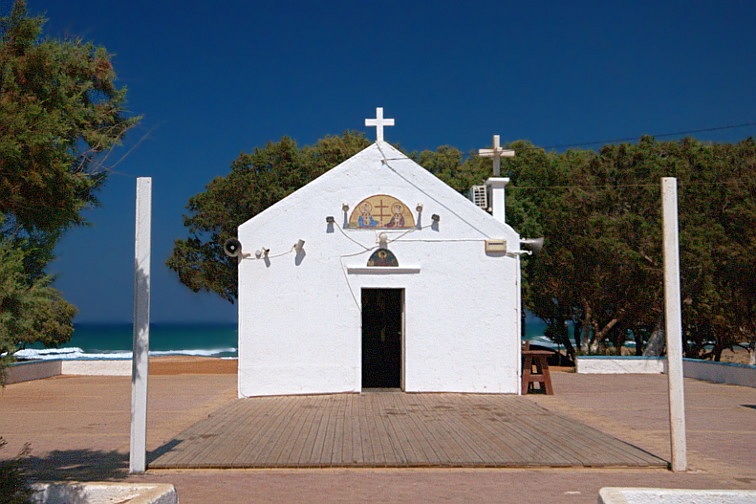
The symbolic image of Kato Gouves is undoubtedly the small church of Agios Konstantinos and Agia Eleni. Set in a picturesque spot right on the water's edge along the coastal road, this white chapel with clean, essential lines represents the spiritual heart of the seafaring community. Built in a typically Cycladic style that contrasts with the blue of sky and sea, the church is not just a place of worship but a visual landmark for sailors and a haven of peace for passers-by. At sunset, the white stone takes on rosy hues, creating an almost mystical atmosphere. It is the locals' favourite spot for weddings and christenings, as its closeness to the waves seems to bless new unions with the strength and eternity of the sea.
The Skotino Cave: between myth and geology
A few kilometres inland lies one of the region's most fascinating natural and archaeological sites: the Skotino Cave (or Agia Paraskevi). Considered one of the largest and deepest in Crete, this natural cavity played a crucial role as a place of worship since Minoan times. It is believed to have been dedicated to a female fertility deity, perhaps linked to the goddess Artemis or the Cretan goddess Britomartis. Inside, the cave unfolds into several chambers adorned with imposing stalactites and stalagmites taking on strange, evocative shapes. The entrance is dominated by a small chapel dedicated to Saint Paraskevi, where a well-attended religious festival takes place every year on 26 July. Exploring Skotino means descending into the belly of the earth, sensing the sacred awe that the island's ancient inhabitants felt before the majesty of nature.
Pano Gouves: the charm of the old village
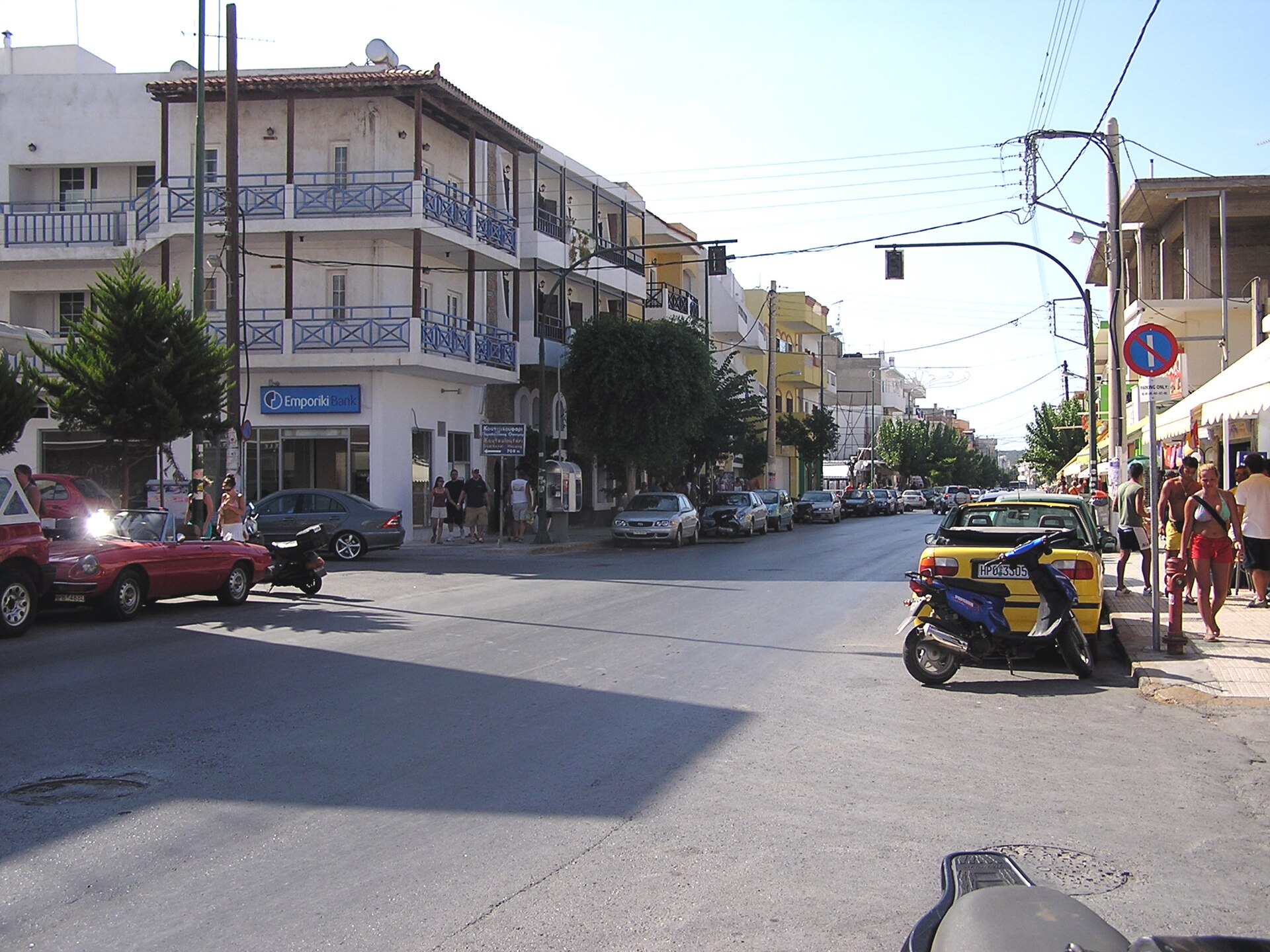
To understand the true essence of this territory, one must climb up to Pano Gouves, the traditional village nestled at the foot of Mount Ederi. Here the atmosphere changes radically compared to the coast: the streets become narrow and winding, lined with stone houses with flower-filled balconies and hidden courtyards. The heart of social life is the main square, where elderly locals sit at the tables of the 'kafenion', sipping Greek coffee and discussing the harvest. Strolling through the village, you come across several historic little churches, such as that of Agios Georgios, which preserve precious icons and quiet frescoes. Pano Gouves offers an authentic glimpse of rural Cretan life, where the rhythm of the days is still marked by the rising sun and the changing seasons, far from the bustle of the beach resorts.
Nirou Chani: the legacy of the Minoan lords
Located in the nearby village of Kokkini Hani, a very short distance from Kato Gouves, the Minoan villa of Nirou Chani is a must-visit for archaeology lovers. Dating back to the 16th century BC, this luxurious residence was probably the home of a high-ranking official or a priest responsible for overseeing the area's religious and commercial activities. The exceptionally well-preserved structure reveals the refinement of Minoan architecture: paved courtyards, storerooms for foodstuffs and decorated rooms. One of the most significant finds was a set of huge bronze double axes (labrys), sacred symbols of Minoan civilisation, suggesting the ritual importance of this site. Visiting Nirou Chani allows you to touch, first-hand, the greatness of a civilisation that, four thousand years ago, already dominated the Mediterranean with elegance and ingenuity.
The coastline: beaches and sea life
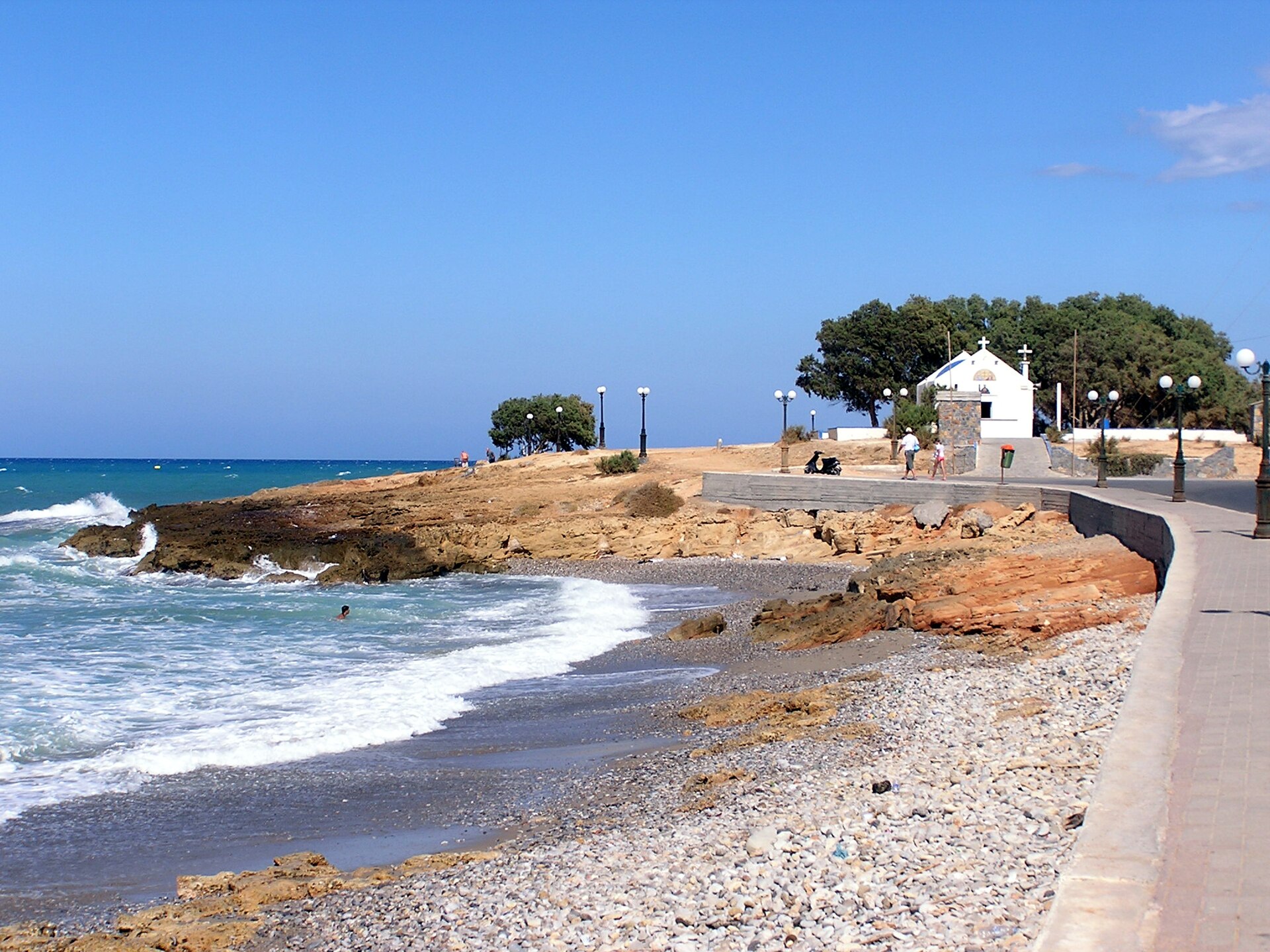
The seafront of Kato Gouves stretches for several kilometres, offering a variety of beach experiences suited to every need. The main beaches are wide, golden and fully equipped, ideal for families thanks to their gently sloping seabeds. However, for those seeking more tranquillity, the coast is dotted with small rocky coves shaped by wind and sea, where the water is crystal clear and perfect for snorkelling. The seafront promenade, fully pedestrianised in several stretches, is the ideal place for long evening strolls, with a wide choice of taverns serving the freshest fish and bars where you can enjoy a sundowner while admiring the horizon. The constant breeze that characterises this area makes summer days pleasant, easing the island's typical heat.
Unmissable experiences in Kato Gouves
- Admiring the sunset from the little church of Agios Konstantinos, when the sky turns to fire.
- Exploring the depths of the sea at the Cretaquarium in Gournes, one of the largest in the Mediterranean, just a few minutes away.
- Wandering through the alleys of Pano Gouves and enjoying a glass of raki in a traditional tavern.
- Venturing into the Skotino Cave to discover the underground, mythological side of Crete.
- Dining in one of the seafront taverns and trying 'chochlioi boubouristi' (fried snails), a local classic.
- Taking a morning walk along the coast when the sea is calm and the air is crisp.
Flavours and traditions: the Cretan table
Cuisine in Kato Gouves is a hymn to the Cretan diet, renowned worldwide for its health benefits. The ingredients are simple but of the highest quality: locally produced extra virgin olive oil, wild herbs gathered on the hills, cheeses such as graviera and mizithra, and vegetables ripened under the generous sun. Not to be missed is 'Dakos', a barley rusk topped with fresh tomato, soft cheese and oregano, which captures all the island's flavours in a single bite. During religious festivities, folk traditions come alive with songs (mantinades) and traditional dances, accompanied by the sound of the Cretan lyra. Taking part in a 'panigiri' (village festival) is the best way to feel part of the community and discover the infectious joy of these people.
The landscape and surrounding nature
Beyond the blue of the sea, Kato Gouves is surrounded by a hilly landscape that invites slow exploration. Mount Ederi offers extraordinary vantage points from which the view sweeps across the entire northern coast as far as Heraklion and the island of Dia. The vegetation is typical Mediterranean scrub, with stretches of olive groves alternating with vineyards and wilder areas where rare orchids bloom in spring. For trekking enthusiasts, the trails winding inland reveal a still-unspoilt nature, made up of small canyons and hidden springs, offering a rejuvenating contrast to the liveliness of the coast.
When to go and how to experience the place
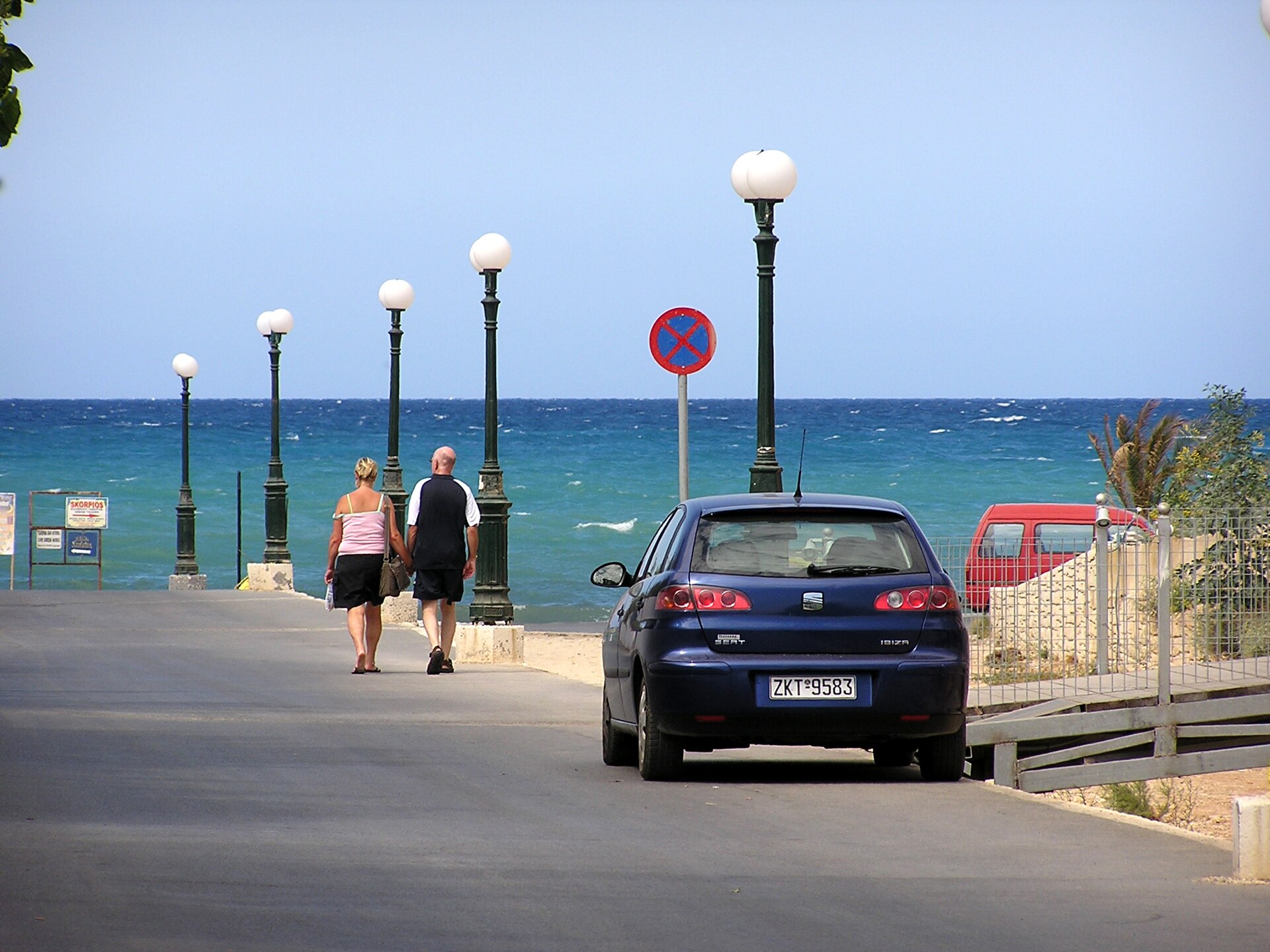
The ideal period to visit Kato Gouves runs from May to October. Spring (May and June) is perfect for those who love nature in bloom and mild temperatures that allow for excursions and walks without the strain of the heat. High summer is the realm of sea and nightlife lovers, with long, bright days. Autumn (September and October) offers a still-warm sea and a more relaxed atmosphere, ideal for those seeking tranquillity. Living Kato Gouves means letting go of haste: take your time for a leisurely breakfast of Greek yoghurt and thyme honey, explore the surroundings without a set destination and let yourself be guided by locals' advice. Here, hospitality is a sacred ritual, and every encounter can turn into a precious story to carry in your heart.
FAQ
Cosa vedere a Kato Gouves in un giorno?
Le spiagge sono adatte ai bambini?
È necessario noleggiare un'auto?
Ci sono attività per famiglie nelle vicinanze?
Come è il clima in estate?
Getting there
- Aeroporto Internazionale di Heraklion 'Nikos Kazantzakis' (HER) - circa 17 km
- Non sono presenti linee ferroviarie a Creta.
- Percorrere la New National Road (E75) in direzione est da Heraklion o in direzione ovest da Agios Nikolaos, prendendo l'uscita specifica per Gouves.
- I bus pubblici (KTEL) collegano Heraklion a Kato Gouves con frequenza elevata, rendendo facile il tragitto anche senza mezzi propri.
Perfect for
Spiagge sicure, parchi tematici nelle vicinanze e strutture ricettive organizzate la rendono una meta perfetta per chi viaggia con bambini.
Dalla villa minoica di Nirou Chani alle tradizioni rurali di Pano Gouves, il territorio offre continui spunti di approfondimento storico.
Ideale per chi cerca una vacanza mare senza rinunciare alla comodità di servizi eccellenti e lunghe passeggiate panoramiche.
To see
