

Zea (Pasalimani)
Overlooking the Saronic Gulf like a natural amphitheater of rare beauty, Zea — known to most by its Ottoman name Pasalimani — repr...
Updated 7 July 2026
The story
The story of Zea (Pasalimani)
Historical roots: from naval hub to the Pasha's port
Zea's history is intrinsically linked to Athens' rise as a maritime power in the 5th century BC. Under the impetus of Themistocles, the bay became the main naval base for the Athenian military fleet, protected by the imposing Long Walls that connected the port to the city. It was here that triremes, the agile warships that ensured victory at Salamis, were built and maintained. With the Ottoman domination, the place took on the name Pasalimani, or 'Pasha's Port,' as it was the preferred residence of high-ranking Turkish officials and where their boats were moored. In the 19th century, with the rebirth of the Greek State, Zea flourished again as an elite residential center and tourist port, always maintaining that prestigious character that still distinguishes it today from other basins in Piraeus.
The Archaeological Museum of Piraeus
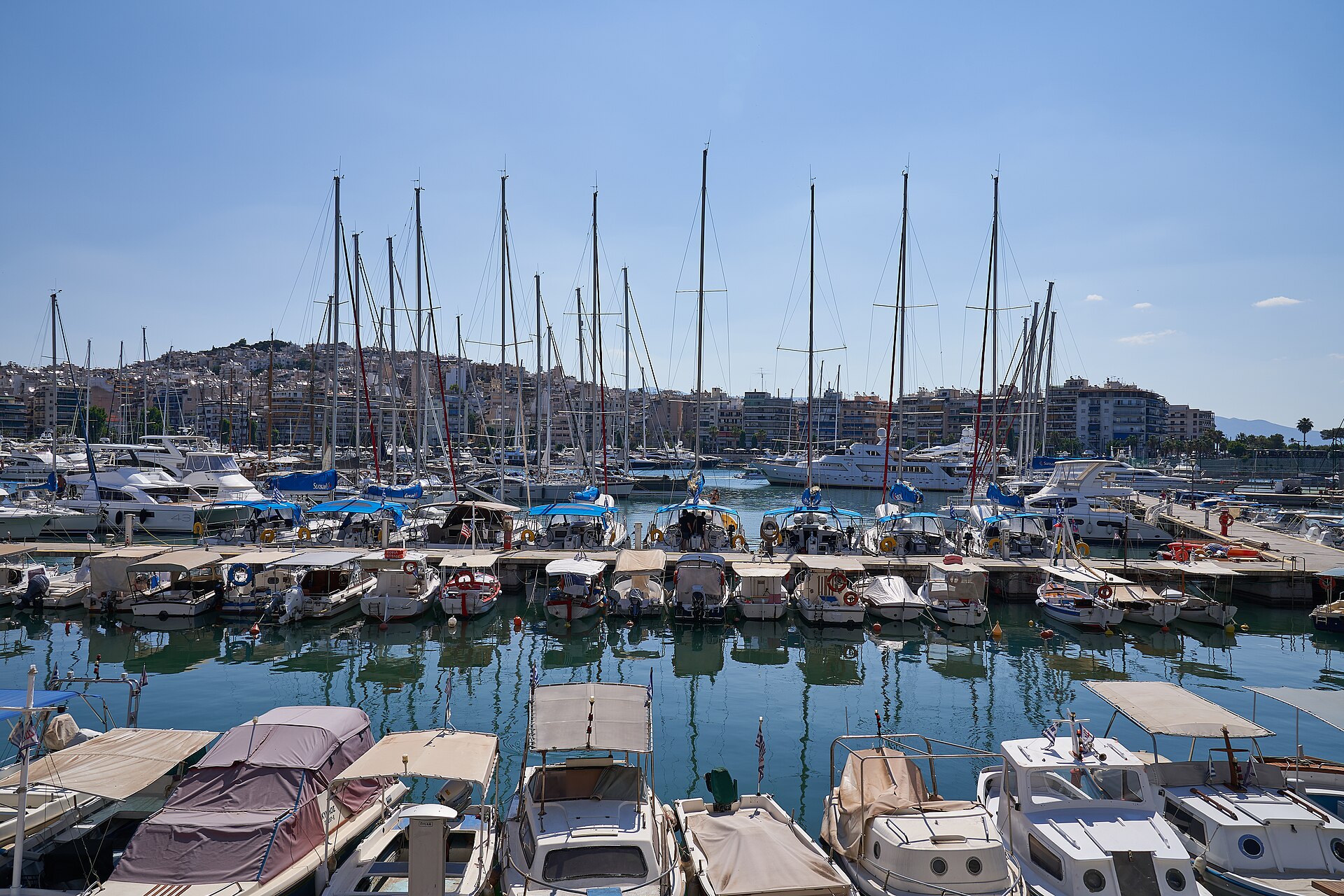
Located a short walk from Zea bay, the Archaeological Museum of Piraeus is an essential stop to understand the strategic importance of this area in antiquity. Despite its contained size compared to the giants in central Athens, it houses treasures of inestimable value, among which the celebrated Piraeus bronzes stand out. These are rare bronze statues from the Classical and Hellenistic periods, depicting Apollo, Athena, and Artemis, accidentally discovered in 1959 during roadworks. These works, miraculously surviving centuries of melting, display breathtaking technical mastery. The museum also exhibits a rich collection of funerary stelae and artifacts from local sanctuaries, offering a detailed insight into the daily and religious life of a cosmopolitan port city two thousand years ago.
The Hellenic Maritime Museum
At the southern end of the bay, housed in a building that seems to guard the port's entrance, stands the Hellenic Maritime Museum, the largest institution of its kind in Greece. The visit is a chronological journey through the millennia-old relationship between the Greek people and the sea, from prehistoric times to the modern navy. Among the ship models, navigation instruments, and historical artifacts, the remains of ships from the Greek War of Independence and testimonies of major 20th-century naval battles stand out. A striking curiosity for visitors is the presence of original parts of Conon's ancient fortifications, integrated into the museum's very structure, in addition to the outdoor section where historical boats and even a submarine's conning tower can be admired, making the experience dynamic and engaging for all ages.
The ancient Neosoikoi: the fleet's arsenals
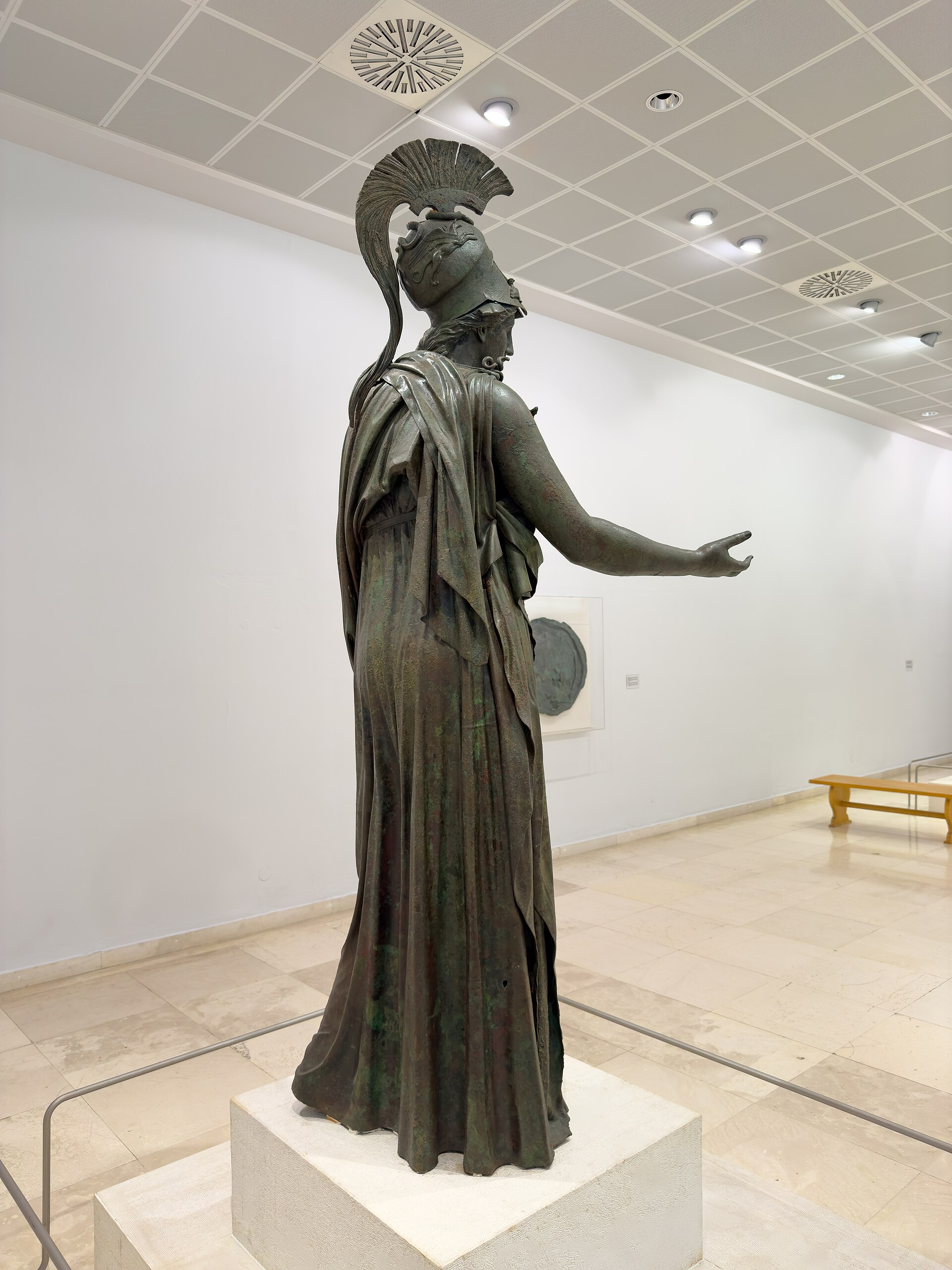
One of the most fascinating and specific archaeological elements of Zea are the *neosoikoi*, the ancient ship sheds. In the Classical era, the bay was almost entirely surrounded by these inclined structures, designed to pull triremes ashore during periods of inactivity to prevent the wood from rotting. Today, some remains of these monumental ramps are still visible, often incorporated into the basements of modern buildings or partially submerged. Imagining the bay teeming with hundreds of these sheds, with workers and sailors in frantic activity, allows one to visualize the logistical power of Athenian democracy. These arsenals were not just military infrastructures, but architectural symbols of the naval supremacy that made Zea the technological heart of the ancient world.
The Ancient Theater of Zea
Adjacent to the Archaeological Museum is the ancient theater of Zea, dating back to the 2nd century BC. Although less preserved than the Theater of Dionysus in Athens, its structure faithfully follows the canons of Hellenistic theatrical architecture. Built of limestone, it was the place where not only dramatic performances but also public assemblies of Piraeus citizens took place. Today, the remains of the orchestra and the first rows of the cavea offer an evocative setting to reflect on the importance of culture and civic participation even in a city dominated by trade and war. Its slightly elevated position relative to the coastline allowed spectators of that time to enjoy a privileged view of the bay, combining art with the beauty of the natural landscape.
Zea Bay and Marina
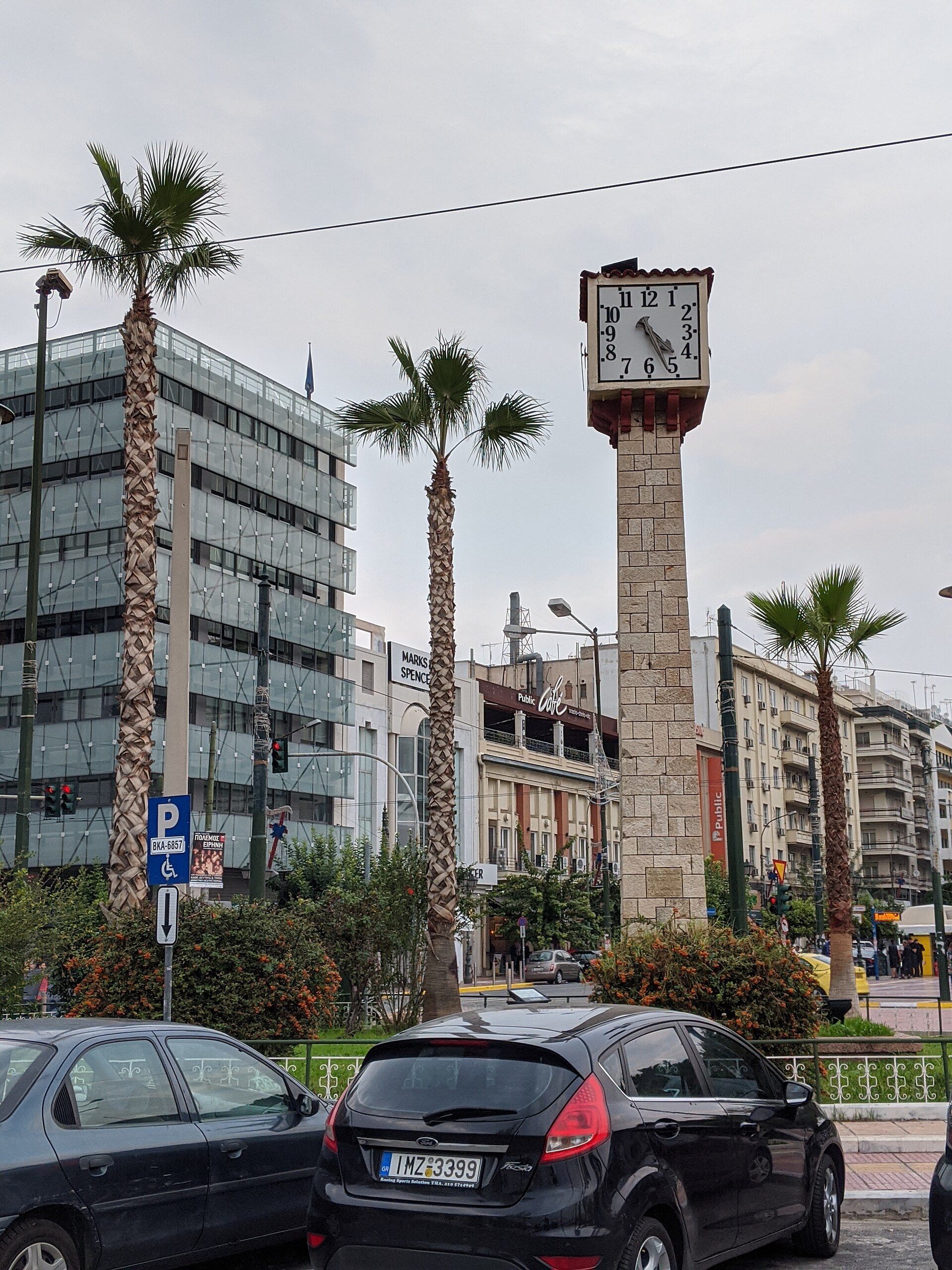
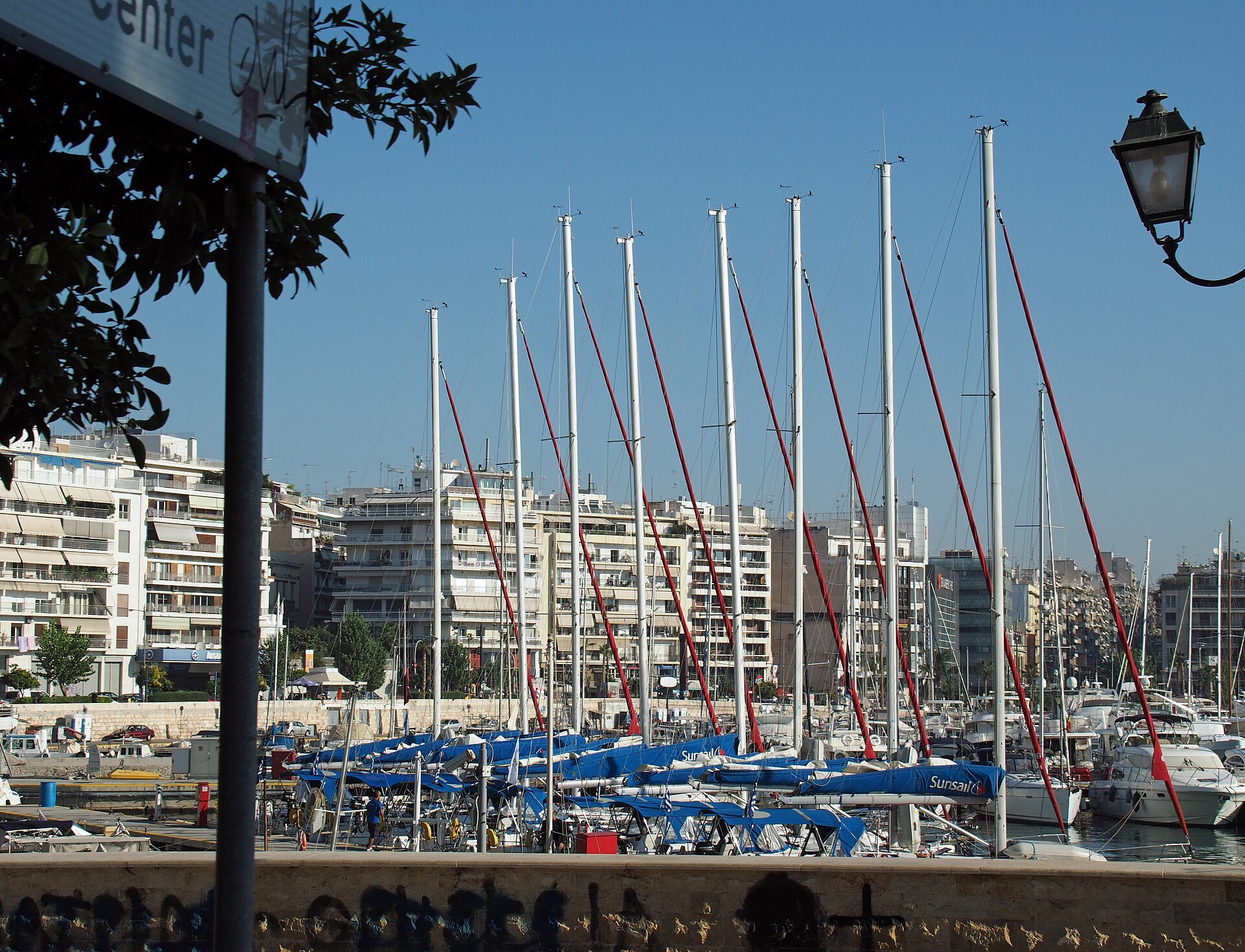
The focal point of modern life is undoubtedly Zea Marina, one of the most well-equipped and luxurious tourist ports in the Mediterranean. The quay is a long pedestrian promenade that invites relaxed strolls, admiring boats flying flags from all over the world. Here, the landscape is dominated by the elegance of yachts, but there are also traditional wooden caïques that add a touch of authenticity. The Marina is not just a mooring place, but a true social hub: along its perimeter, design cafes, gourmet restaurants, and bars come alive, especially at sunset. It is the ideal place to observe people passing by, enjoy the sea breeze, and perceive that international and sophisticated atmosphere that characterizes this specific area of Piraeus compared to the more chaotic main port.
The coastal landscape and Piraiki
Continuing south beyond Zea bay, one enters the scenic coastal road known as Piraiki. Here the landscape changes, becoming wilder and more evocative: the coast is dotted with the remains of Themistocles' ancient walls that run right along the sea, defying the waves for millennia. It is the favorite spot for Piraeus residents for an evening stroll, where the rocks offer shelter to amateur fishermen and benches invite contemplation of the Saronic Gulf. On clear days, the gaze extends to the islands of Aegina and Salamina. The immediate hinterland is a maze of streets climbing towards the hill of Castella, offering picturesque views and Mediterranean vegetation of pines and bougainvillea that soften the dense urbanization of the area.
Traditions and flavors: seafood cuisine
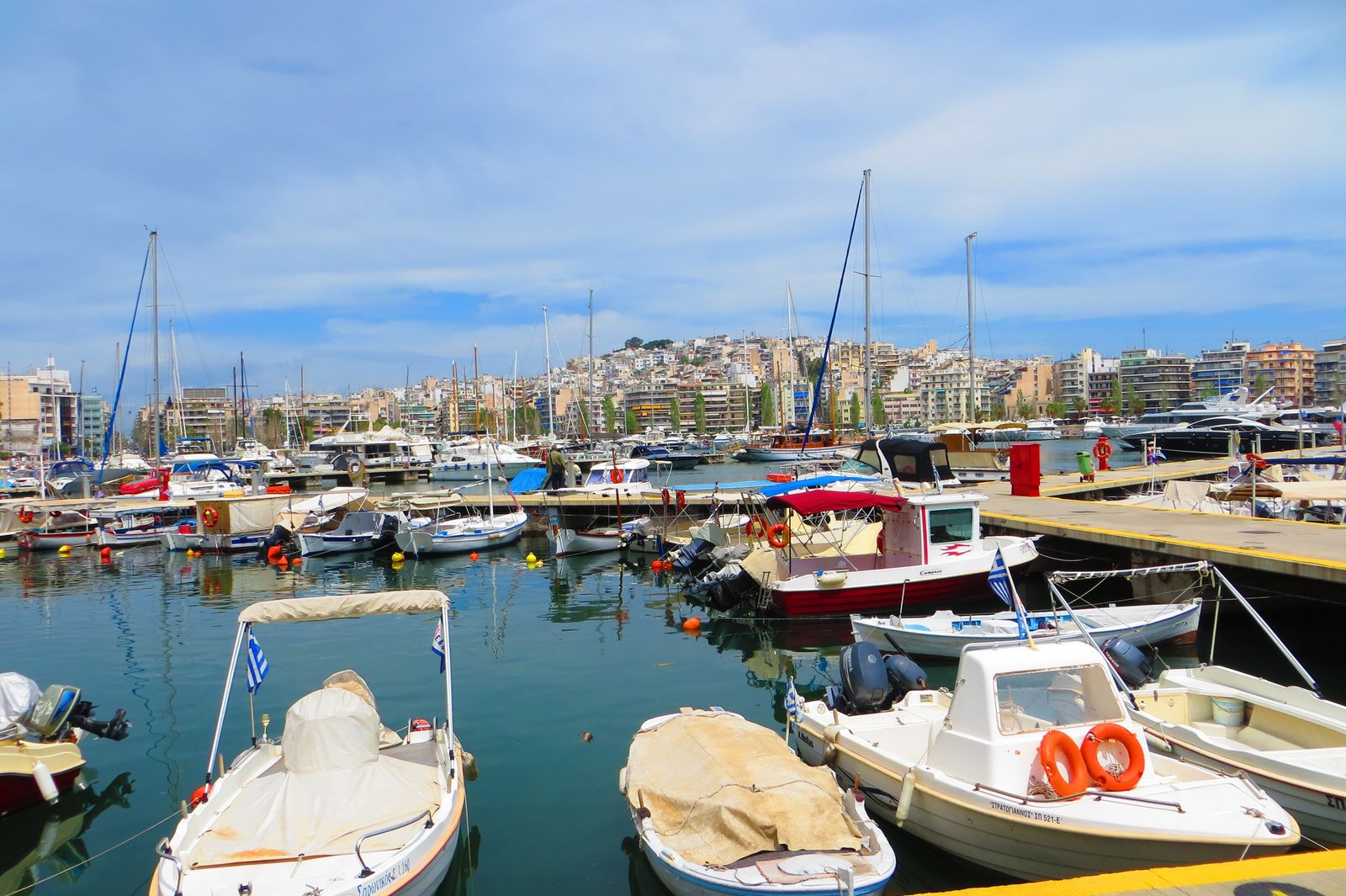
Zea's gastronomic culture is, predictably, dominated by seafood. Historic tavernas and modern bistros compete to offer the freshest fish, caught just hours before in the waters of the Saronic Gulf. A typical experience involves sitting in an *ouzeri* and ordering grilled octopus, fried calamari, and saganaki mussels, accompanied by a glass of iced ouzo or tsipouro. Tradition dictates that the meal be slow, a ritual of conviviality that celebrates the simple yet intense flavors of Greece. However, cosmopolitan influences are also present, with restaurants blending Hellenic tradition with international techniques, reflecting the open and well-traveled spirit of this port. Even desserts, like honey and cinnamon *loukoumades*, find their special dimension here, often enjoyed while watching the boats sway.
Unmissable experiences in Zea
- Sunset stroll along Piraiki, following the outline of the ancient walls to the lighthouse.
- Morning visit to the Archaeological Museum to admire the Piraeus bronzes without the crowds.
- Dinner of fresh fish in one of the tavernas overlooking Pasalimani.
- An afternoon coffee in one of the Marina's design cafes, watching the comings and goings of mega-yachts.
- Exploring the alleys of Castella, the hill overlooking Zea, to enjoy the best panoramic view of the port.
When to go and how to experience the place
Zea is an enjoyable destination year-round, but spring and autumn offer ideal climatic conditions for long walks without the summer heat. In May and June, the air is clear and the sea colors are particularly vibrant, while September offers unforgettable sunsets. Summer is the period of maximum liveliness, with the Marina becoming the center of nightlife, but temperatures can be high during the central hours of the day. To experience Zea like a local, avoid peak cruise ship hours and prefer the late afternoon, when the light becomes warm and locals spill onto the streets for the ritual of coffee or an aperitif. It is a place that requires curiosity: don't just stay on the surface, but look for the ancient remains hidden among the buildings to grasp the true essence of this millennia-old port.
FAQ
Zea è vicina al porto principale dei traghetti del Pireo?
È possibile visitare l'interno degli yacht ormeggiati?
Quanto tempo occorre per visitare i due musei principali?
Zea è adatta alle famiglie con bambini?
Si può fare il bagno nella baia di Zea?
Getting there
- Aeroporto Internazionale di Atene Eleftherios Venizelos (circa 45 km)
- Metropolitana Linea 1 (Verde) e Linea 3 (Blu) - Stazione Piraeus
- Dall'aeroporto o dal centro di Atene seguire le indicazioni per Piraeus e successivamente per Pasalimani/Zea Marina.
- Il bus X96 collega direttamente l'aeroporto al Pireo h24; una volta arrivati al porto principale, un breve tragitto in taxi o una passeggiata vi porteranno a Zea.
Perfect for
Un luogo unico al mondo per comprendere come gli antichi greci costruivano e gestivano la loro flotta leggendaria.
Perfetto per chi ama l'atmosfera cosmopolita dei porti turistici di alto livello, tra yacht di lusso e locali alla moda.
Un'immersione totale nella storia marittima greca, celebrata attraverso musei d'eccellenza e tradizioni culinarie legate al pescato.
To see
Da vedere a Zea (Pasalimani)
Routes · Trovido Route
