

Adelfia
60 businesses
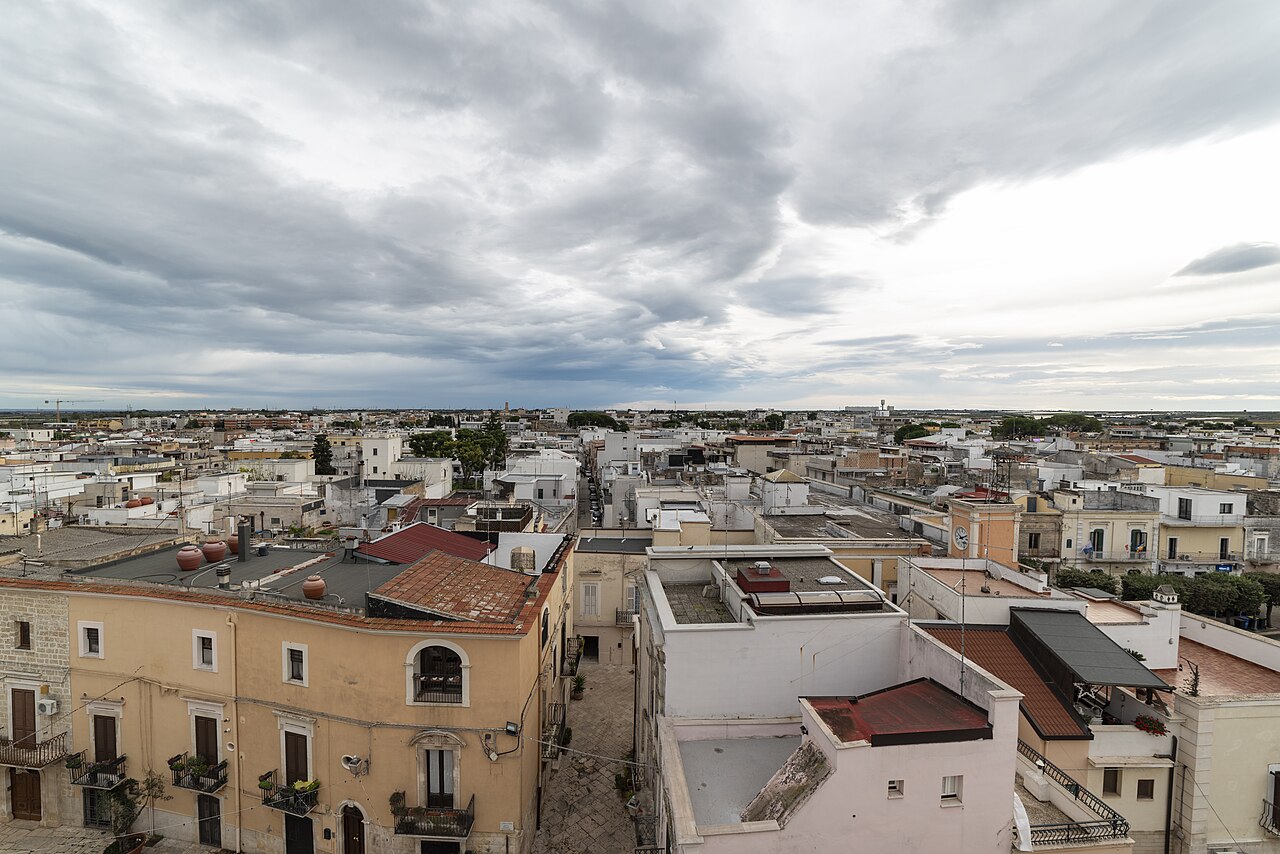
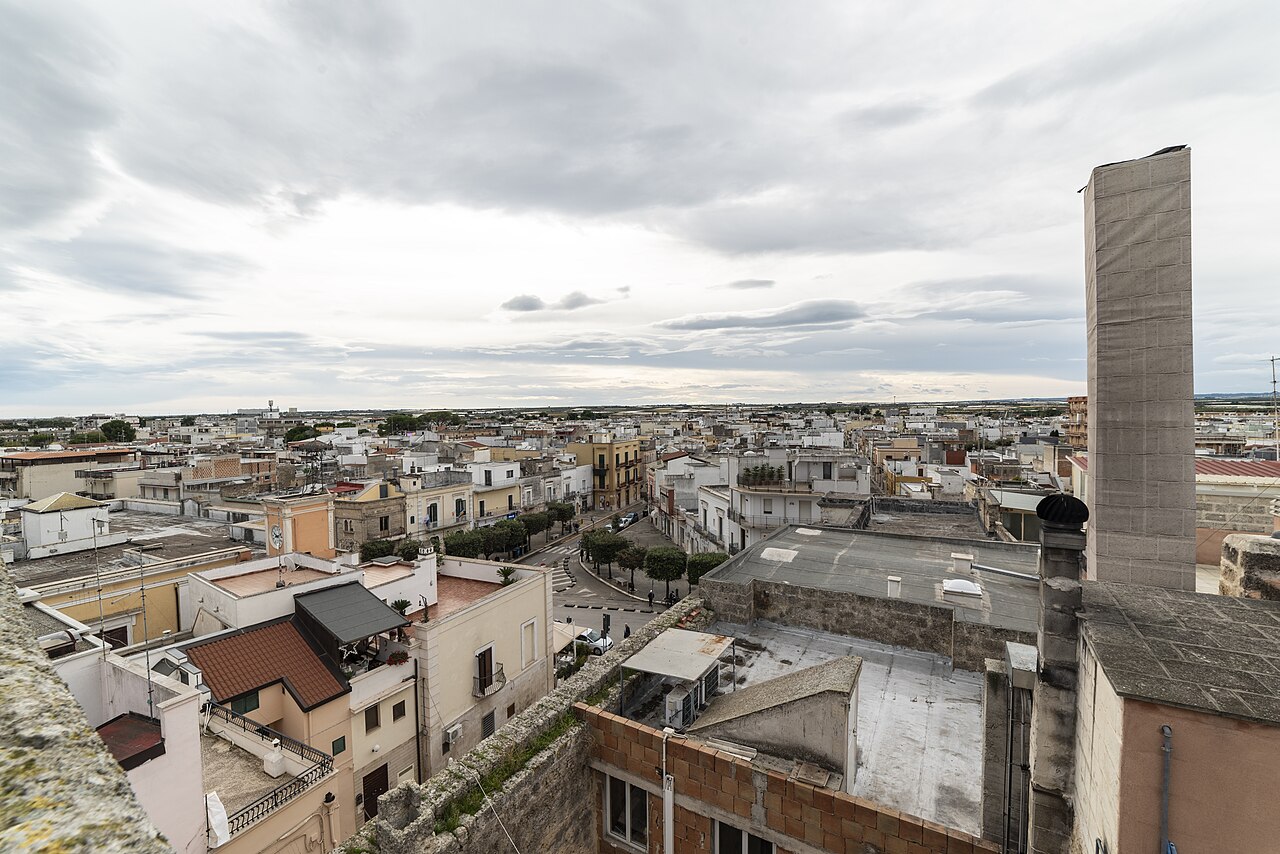
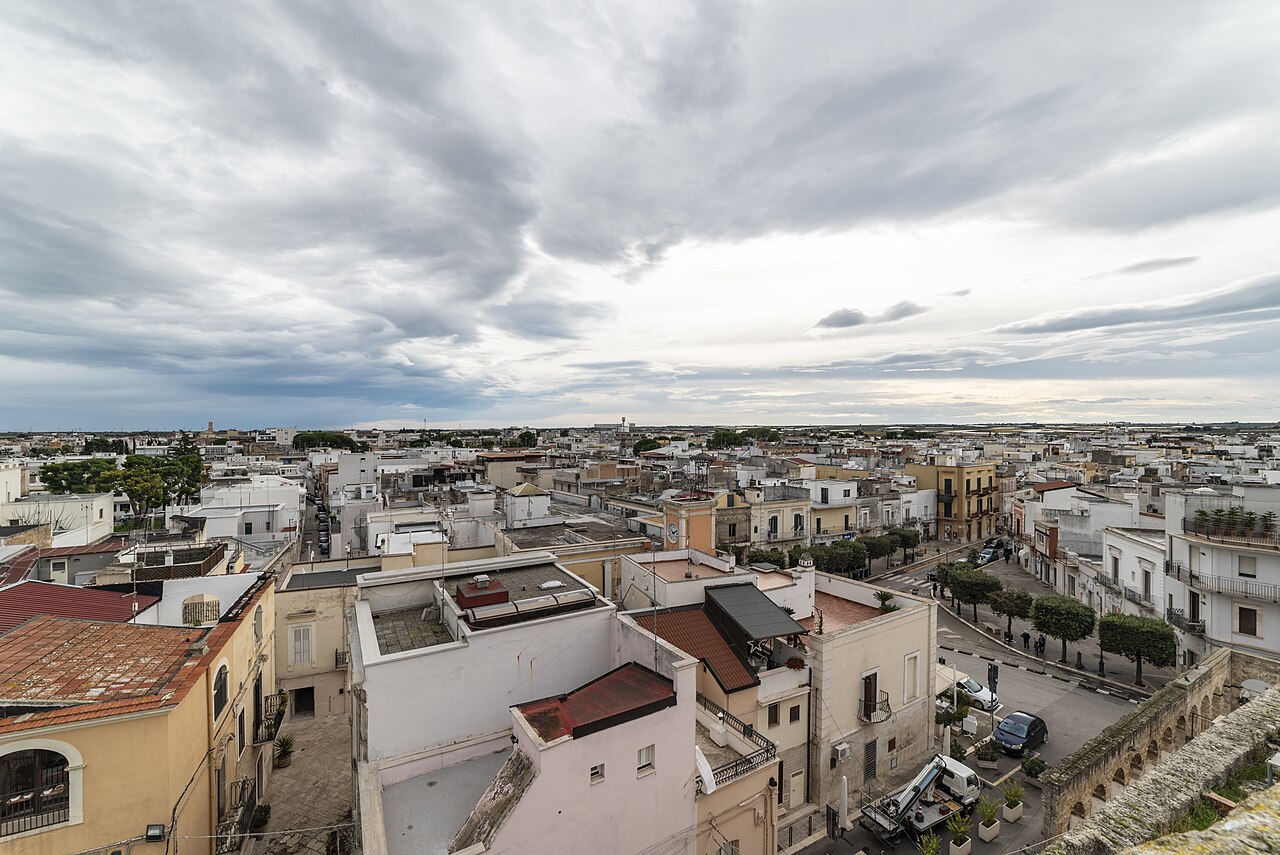
Nel cuore della Terra di Bari, dove le prime ondulazioni delle Murge iniziano a sollevarsi dolcemente verso l'interno, sorge Adelfia, un comune che racchiude nel suo nome e nella sua struttura una storia di fratellanza unica nel panorama pugliese. Il toponimo Adelfia deriva infatti dal greco 'adelphòs', che significa fratello, a testimonianza dell'unione avvenuta nel 1927 tra due centri abitati storicamente distinti: Montrone e Canneto. Passeggiare oggi per le sue strade significa compiere un viaggio sdoppiato tra due anime che, pur essendosi fuse amministrativamente, conservano gelosamente caratteri architettonici e tradizioni speculari. Adelfia non è solo un borgo agricolo di straordinaria fertilità, ma è un palcoscenico di pietra chiara dove il barocco dei palazzi signorili dialoga con la sobrietà delle facciate medievali. Celebre in tutto il mondo per la devozione a San Trifone e per la produzione di uva da tavola pregiatissima, questa cittadina accoglie il visitatore con il calore tipico della provincia barese, offrendo uno spaccato autentico di vita pugliese, tra riti ancestrali, corti fiorite e un paesaggio rurale che sembra ricamato dai filari delle viti. È una meta per chi cerca la Puglia meno scontata, quella dove il tempo è scandito dal ritmo delle stagioni e dalla maestria dei fuochisti che, ogni anno, illuminano il cielo in una delle feste patronali più spettacolari d'Italia.
Una storia di due borghi: dalle origini all'unione
La genesi di Adelfia è un racconto di separazione e convergenza. Montrone, il nucleo più antico, vanta origini che risalgono al X secolo, fondato probabilmente da profughi bizantini in fuga dalle incursioni saracene; il suo nome deriverebbe dal greco 'monos-dronos', indicando una dimora solitaria o un luogo sopraelevato. Canneto, invece, si sviluppò poco più tardi, attorno a un insediamento fortificato normanno, prendendo il nome dalla vegetazione palustre che un tempo caratterizzava le sponde del vicino torrente Montrone. Per secoli, i due borghi vissero vite parallele, feudi di diverse famiglie nobiliari come i Caracciolo e i Bianchi Dottula. Fu solo durante il ventennio fascista, con il regio decreto del 1927, che le due comunità vennero accorpate in un unico comune. Questa fusione 'a tavolino' non ha però cancellato le identità locali: ancora oggi, attraversando il ponte che unisce i due centri, si percepisce il passaggio da un'atmosfera all'altra, in un gioco di specchi che rende Adelfia un caso urbanistico e sociale di grande fascino.
Il Palazzo Marchesale di Montrone
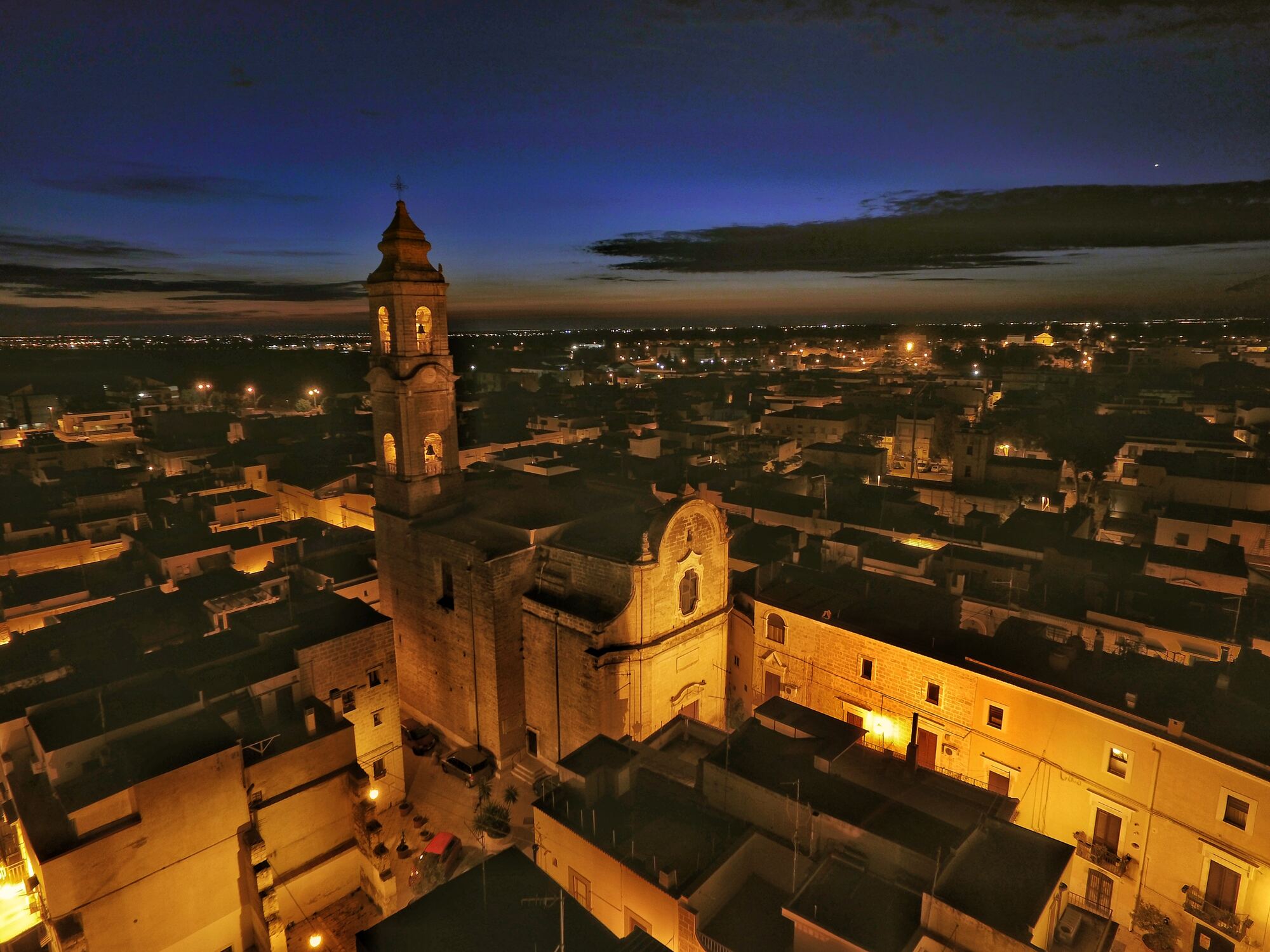
Dominando la piazza principale di Montrone, il Palazzo Marchesale rappresenta il fulcro del potere nobiliare che ha retto il borgo per secoli. Edificato originariamente in epoca tardo-medievale, l'edificio subì profonde trasformazioni tra il XVI e il XVIII secolo, assumendo l'aspetto di una sontuosa residenza aristocratica sotto l'egida dei Caracciolo. La facciata è un esempio di eleganza misurata, con un portale bugnato che immette in un ampio cortile interno, cuore pulsante della vita di corte del tempo. All'interno, le sale conservano tracce di decorazioni pittoriche e soffitti a volta che evocano il fasto delle famiglie che qui ospitarono intellettuali e nobili della provincia. Il palazzo non era solo una dimora, ma una struttura difensiva e amministrativa, capace di controllare le terre circostanti e di proteggere la popolazione in caso di necessità, restando oggi il simbolo più imponente della storia montronese.
La Chiesa Matrice di San Nicola a Montrone
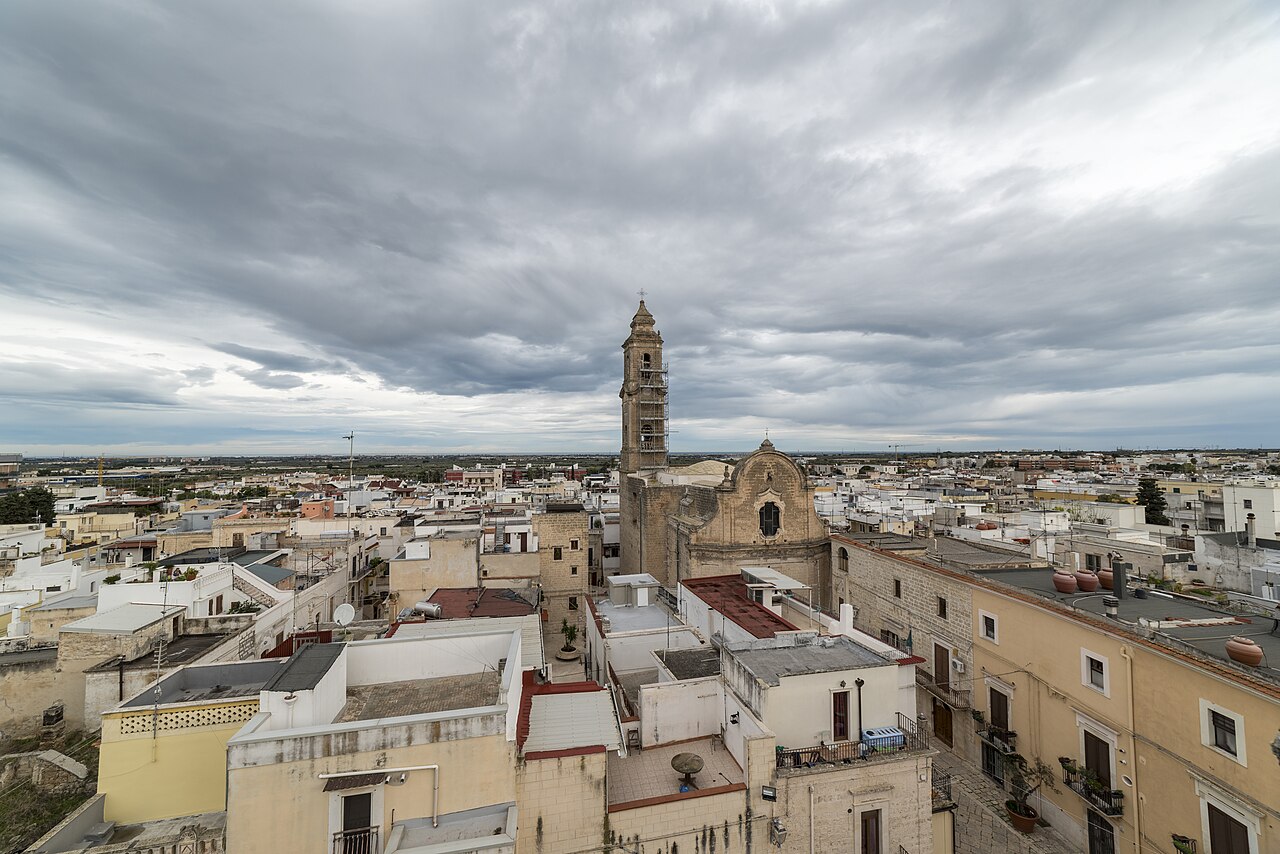
Poco distante dal Palazzo Marchesale sorge la Chiesa Matrice dedicata a San Nicola di Bari, un gioiello architettonico che riflette la profonda devozione religiosa della comunità. Ricostruita nel XVIII secolo su un preesistente impianto medievale, la chiesa presenta una facciata barocca tripartita, arricchita da nicchie e statue che accolgono i fedeli. L'interno, a croce latina, è un trionfo di stucchi, altari in marmo policromo e tele di pregio che narrano la vita del Santo patrono di Bari e altri episodi biblici. Particolarmente suggestiva è la zona absidale, dove la luce filtra creando giochi cromatici che esaltano la verticalità delle navate. La chiesa non è solo un luogo di culto, ma un archivio di arte sacra locale, dove ogni cappella laterale racconta la storia di una confraternita o di una famiglia devota, rendendola il centro spirituale dell'anima montronese di Adelfia.
Il Castello di Canneto: sentinella medievale
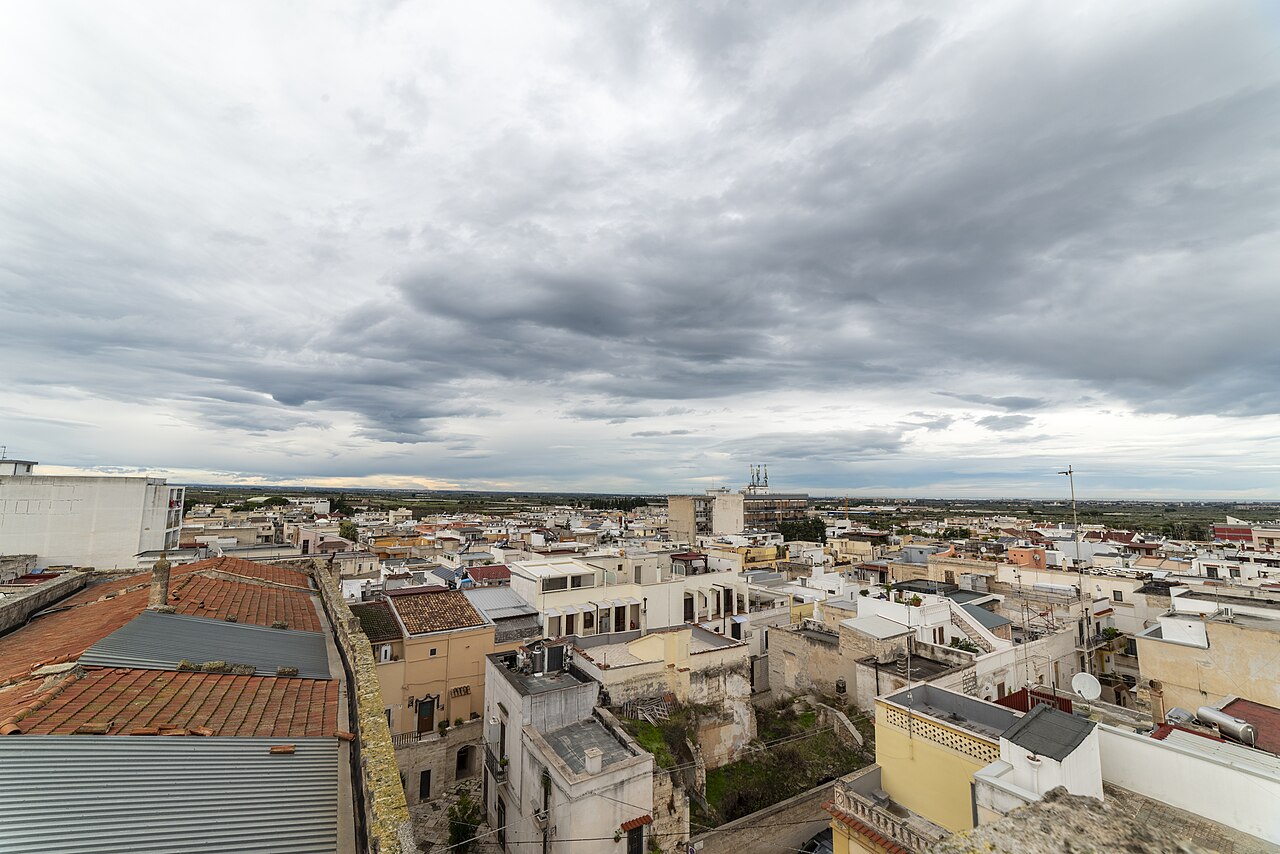
Spostandosi verso il nucleo di Canneto, l'attenzione viene catturata dai resti del Castello, una struttura che affonda le sue radici nell'epoca normanno-sveva. Sebbene oggi appaia parzialmente inglobato in edifici successivi e trasformato in residenza, conserva ancora intatto il fascino della fortezza medievale. La sua funzione originaria era prettamente militare, posta a guardia della via che collegava l'entroterra alla costa barese. Osservando le mura spesse e le feritoie ancora visibili, si può immaginare la vita dei soldati e dei castellani che qui vigilavano sui raccolti e sulla sicurezza del borgo. Il castello di Canneto rappresenta la testimonianza tangibile della vocazione difensiva di questo territorio, un punto di riferimento visivo che identifica l'identità storica della frazione e la distingue per austerità e solidità architettonica.
La Chiesa di Maria Santissima della Stella
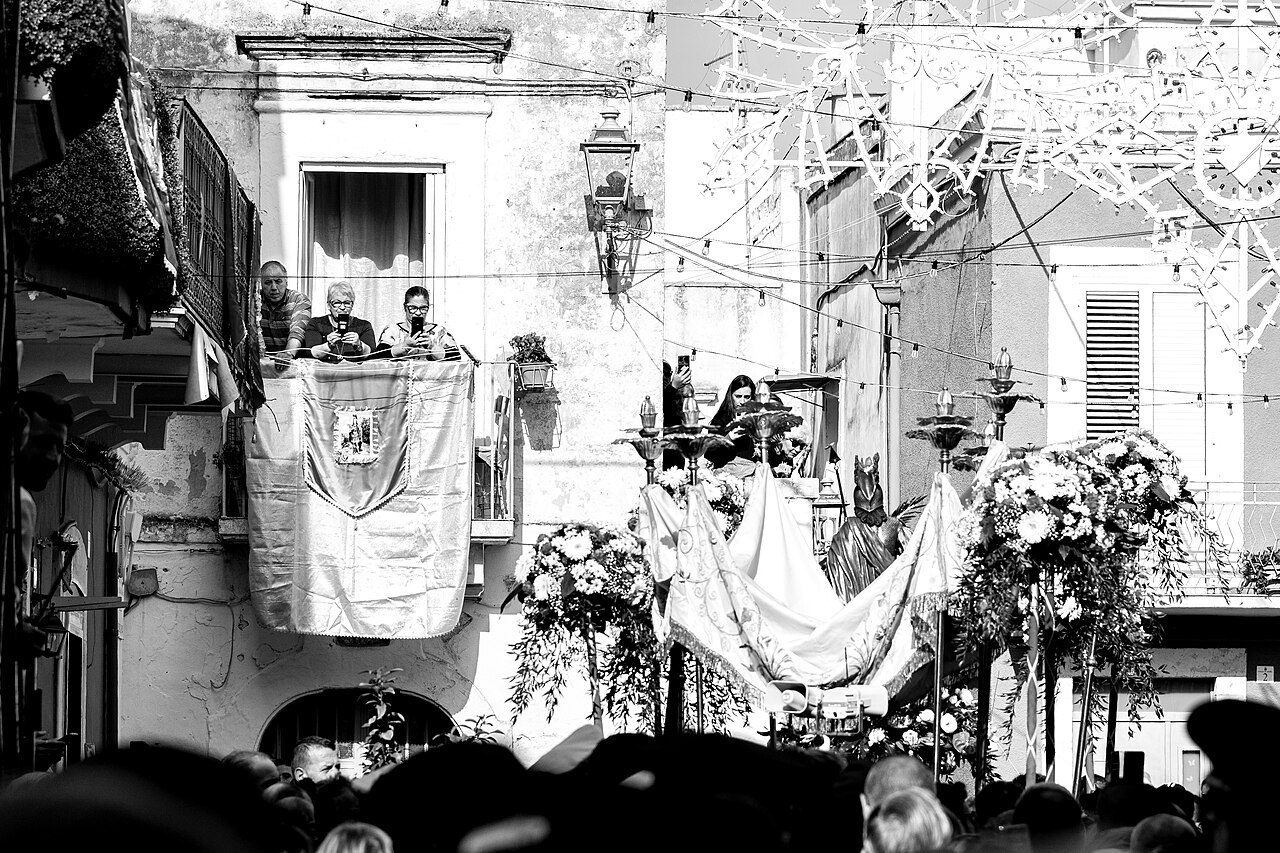
Nel cuore di Canneto si trova la Chiesa di Maria Santissima della Stella, un edificio che incanta per la sua composta bellezza. La chiesa è legata a una profonda venerazione mariana che risale a secoli fa, quando il culto della 'Stella' divenne centrale per la protezione dei campi e delle famiglie locali. L'architettura presenta linee pulite, tipiche del romanico pugliese rivisitato in epoche successive, con un interno che invita al raccoglimento. Tra le opere d'arte custodite, spiccano le immagini sacre portate in processione durante le feste rionali, che testimoniano l'abilità degli artigiani locali nel lavorare il legno e la cartapesta. Questo luogo sacro funge da contrappunto alla chiesa di San Nicola a Montrone, completando il panorama devozionale di Adelfia e offrendo un esempio di come l'arte religiosa si sia adattata alle diverse sensibilità dei due borghi originari.
Il paesaggio rurale e l'oro di Adelfia: l'Uva Regina
Il territorio che circonda Adelfia è un inno all'agricoltura specializzata. Ci troviamo in una delle zone più vocate alla viticoltura dell'intera Puglia, dove il paesaggio è dominato dai 'tendoni', le strutture a pergola che sostengono i pesanti grappoli dell'Uva Regina e dell'Uva Italia. Questo mare verde, che cambia colore con il mutare delle stagioni passando dal verde brillante dell'estate all'oro brunito dell'autunno, definisce l'orizzonte e l'economia del paese. Oltre alle vigne, l'entroterra offre scorci di uliveti secolari e piccoli lembi di macchia mediterranea lungo le lame, i tipici solchi erosivi pugliesi. Camminare lungo le strade vicinali tra i muretti a secco permette di respirare l'odore della terra lavorata e di comprendere quanto il legame tra l'uomo di Adelfia e il suo suolo sia profondo, fatto di fatica e di una sapienza contadina tramandata da generazioni.
San Trifone: la Regina delle Feste
Non si può parlare di Adelfia senza citare la festa di San Trifone, che si celebra ogni anno dal 1° all'11 novembre, con il suo culmine il giorno 10. È una delle feste patronali più importanti e sentite del Mezzogiorno, capace di attirare migliaia di pellegrini e appassionati di pirotecnica da ogni angolo d'Europa. San Trifone, martire orientale protettore dai mali agricoli e dalle invasioni di cavallette, viene onorato con processioni solenni, ma è la 'Gara Pirotecnica' a rendere l'evento leggendario: i migliori maestri del fuoco si sfidano in spettacolari deflagrazioni diurne e notturne che fanno tremare la terra e illuminano il cielo di colori inverosimili. È un momento di estasi collettiva, dove il sacro si mescola al profano, tra il fumo dei fuochi, l'odore dell'agnello alla brace che invade le strade e il suono delle bande che percorrono incessantemente i rioni di Montrone.
Sapori autentici: uva, vino e carni alla brace
La tavola di Adelfia è uno specchio fedele della sua terra generosa. Protagonista assoluta è l'uva da tavola, dolce e croccante, ma non meno importante è la produzione vinicola, con vini robusti che accompagnano degnamente la cucina locale. Durante la festa di San Trifone, la tradizione impone il consumo dell'agnello allo spiedo o 'al fornello', una tecnica di cottura lenta che rende la carne tenerissima e profumata. Non mancano le classiche orecchiette, spesso condite con cime di rapa o con ragù di carne, e i taralli intrecciati, ideali per accompagnare un bicchiere di Primitivo locale. La pasticceria secca, a base di mandorle e miele, chiude i pasti festivi, offrendo un'esperienza sensoriale che unisce la dolcezza dei frutti della terra alla sapidità delle ricette della tradizione murgiana.
- Partecipare alla festa di San Trifone il 10 novembre per assistere alle gare pirotecniche mondiali.
- Passeggiare tra i vicoli del centro storico di Montrone ammirando le corti medievali.
- Visitare una delle storiche cantine locali per degustare i vini della Terra di Bari.
- Esplorare il rione Canneto per scoprire i resti dell'antico castello normanno.
- Acquistare l'uva da tavola direttamente dai produttori durante il periodo della vendemmia.
- Percorrere i sentieri rurali tra i muretti a secco e le vigne a tendone al tramonto.
Quando visitare Adelfia
Il periodo d'oro per visitare Adelfia è senza dubbio l'autunno. Novembre è il mese della festa patronale, un'esperienza travolgente che permette di vivere l'anima più autentica e vibrante della comunità, sebbene sia necessario prepararsi alla grande affluenza di pubblico. Tuttavia, anche la tarda estate e l'inizio di ottobre sono momenti magici, quando la vendemmia è in pieno corso e le campagne sono un fermento di attività, offrendo uno spettacolo visivo e olfattivo indimenticabile. La primavera è invece ideale per chi desidera godersi la tranquillità dei borghi e fare escursioni nel paesaggio murgiano circostante, approfittando di temperature miti e di una luce che esalta il bianco della pietra locale. In ogni stagione, Adelfia accoglie con la discrezione di chi sa di possedere tesori preziosi, pronti a essere svelati a chi sa guardare oltre la superficie.
